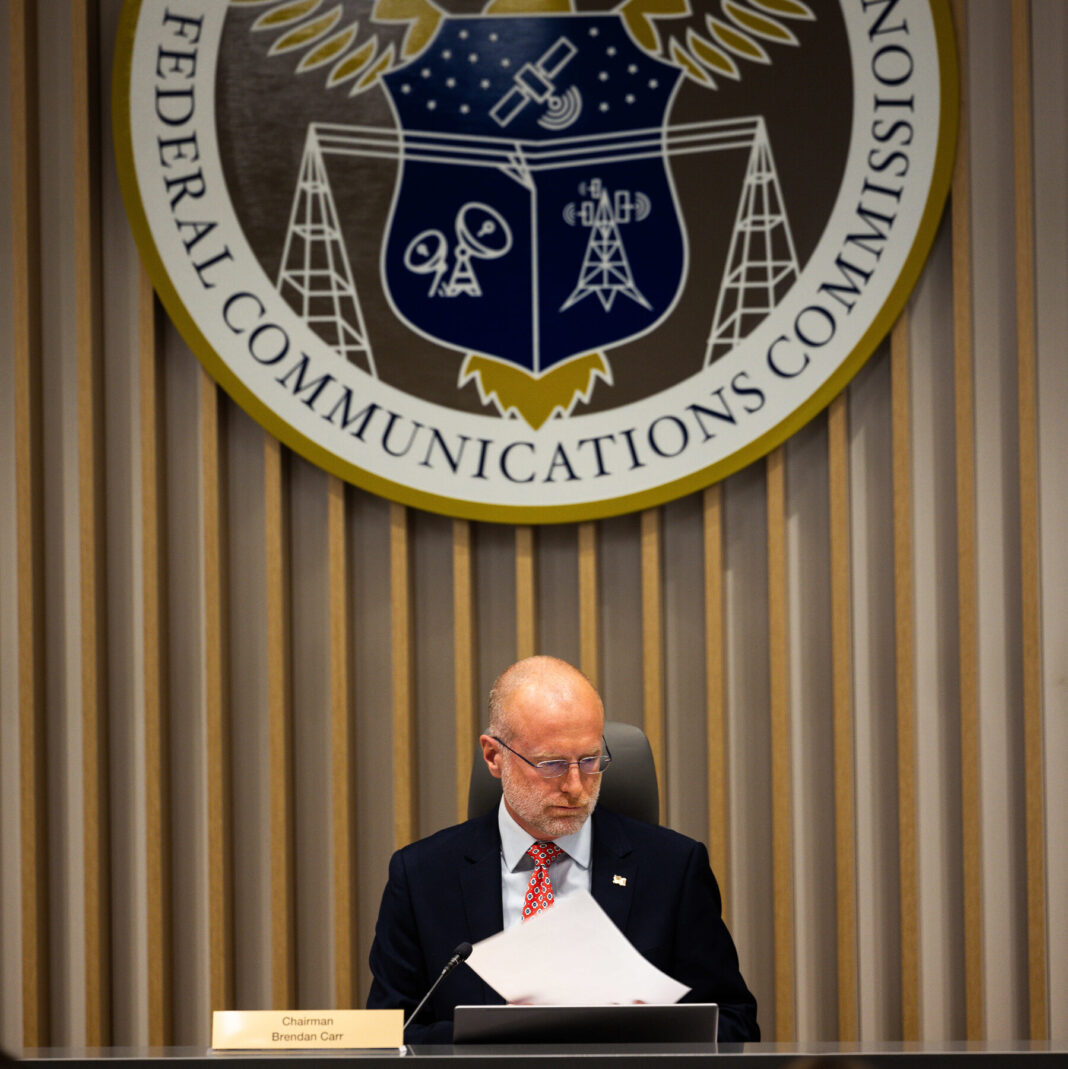
The Supreme Court is examining the scope of the Federal Communications Commission’s authority to levy fines. This review stems from a significant enforcement action against major telecommunications firms.
AT&T and Verizon faced multimillion-dollar penalties from the regulatory agency. The F.C.C. imposed these fines for alleged failures to safeguard sensitive consumer data.
The core legal dispute centers on the companies’ constitutional arguments. They contend the agency’s process denied them a fundamental right to a jury trial.
This case challenges how administrative agencies enforce rules and issue punishments. The outcome could reshape the balance of power between regulators and corporations.
A ruling limiting the F.C.C.’s fining authority would have broad implications. It would affect how all communications companies are governed and held accountable.
The justices’ decision will also interpret the Seventh Amendment right to a jury. This constitutional issue extends beyond the specific telecommunications context.
Ultimately, the Court’s judgment will define the procedural limits of regulatory enforcement. The precedent set will influence federal agency power for years to come.