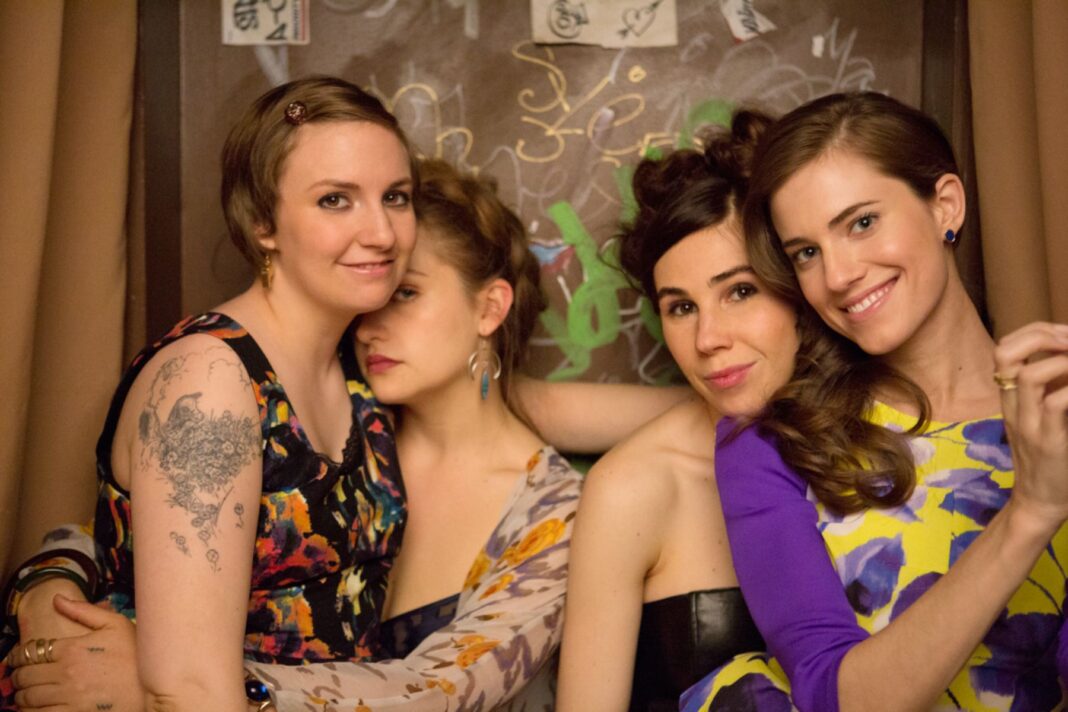
A new generation has rediscovered HBO’s “Girls,” shifting its cultural reputation. The series originally aired from 2012 to 2017 and drew heavy criticism. Viewers then saw it as a symbol of white millennial narcissism.
Gen Z now watches the show through a different lens. Social media clips and streaming access have fueled this revival. Young viewers relate to its messy friendships and career struggles.
The original backlash focused on the characters’ privilege and lack of diversity. Critics argued the show ignored broader social realities. Those complaints defined its legacy for years.
Gen Z creators remix scenes into memes and short videos. They highlight awkward moments and emotional honesty. This repurposing strips away some of the original outrage.
The show’s portrayal of unpaid internships and unstable jobs feels current. Housing costs and career anxiety mirror today’s economic landscape. These themes resonate beyond the original millennial audience.
Friendship dynamics also attract new fans. The characters’ selfishness and reconciliation feel familiar. Young viewers see their own flawed relationships reflected on screen.
Streaming platforms have made the entire series easily accessible. Without weekly airings, new audiences binge without old context. That changes how the story lands.
The revival says less about the show itself and more about shifting generational views. Each cohort reinterprets cultural artifacts on its own terms. “Girls” now serves as a mirror for Gen Z’s own anxieties.