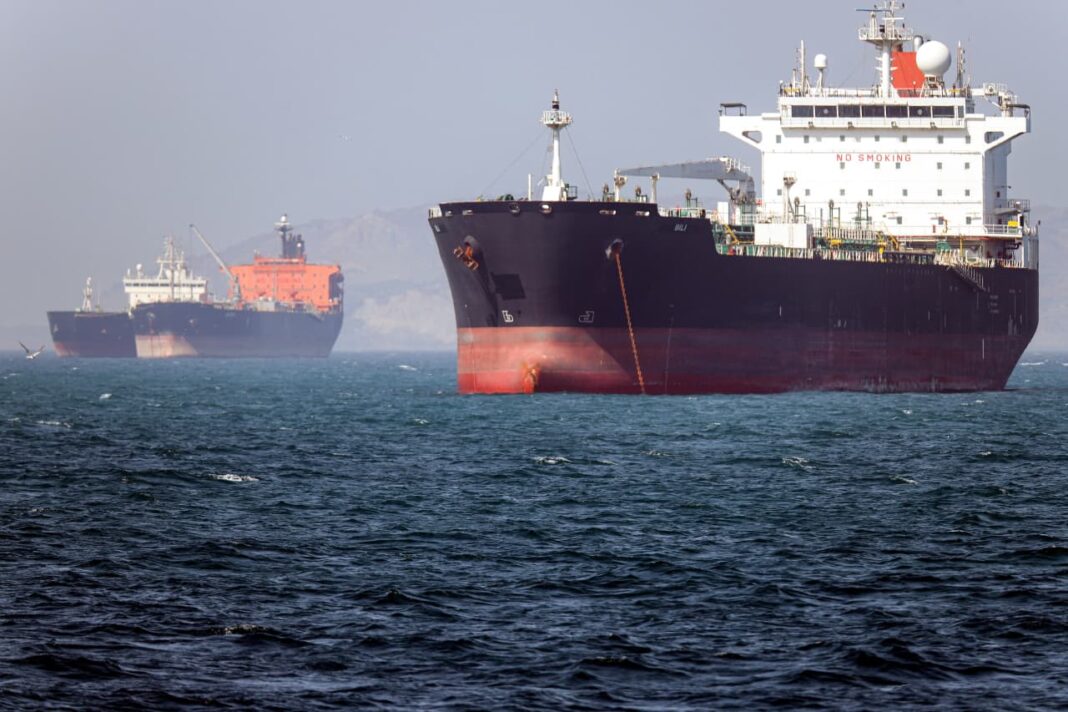
Oil prices are unlikely to fall below $100 per barrel anytime soon, even if tensions in the Gulf region ease. Market analysts point to deep structural disruptions from the eight-month-old Middle East conflict and its shipping delays.
The global crude sector has absorbed months of instability. Shipping route disruptions have compounded supply chain pressures across multiple regions. These effects will not disappear quickly once the fighting stops.
Analysts describe the current market as approaching a moment of clarity. The full damage from the conflict is only now becoming visible. That damage includes higher transport costs and rerouted supply lines.
The $100 price level appears firmly established for the near term. Traders and refiners are adjusting to a new baseline. Cheap oil is not part of that outlook.
Shipping disruptions have forced tankers onto longer routes. Longer voyages raise freight costs and delay deliveries. Those added expenses feed directly into the price of crude.
The conflict has also unsettled insurance and risk premiums in the region. Lenders and shippers now demand higher compensation for Gulf transit. Those costs persist regardless of battlefield developments.
Even a sudden ceasefire would not reverse the damage overnight. Infrastructure and logistics networks need time to recover. Inventory levels remain tight across major consuming nations.
Market watchers caution against expecting a quick return to lower prices. The $100 level is likely to hold for some time. Any relief in the Gulf will take months to translate into cheaper crude.