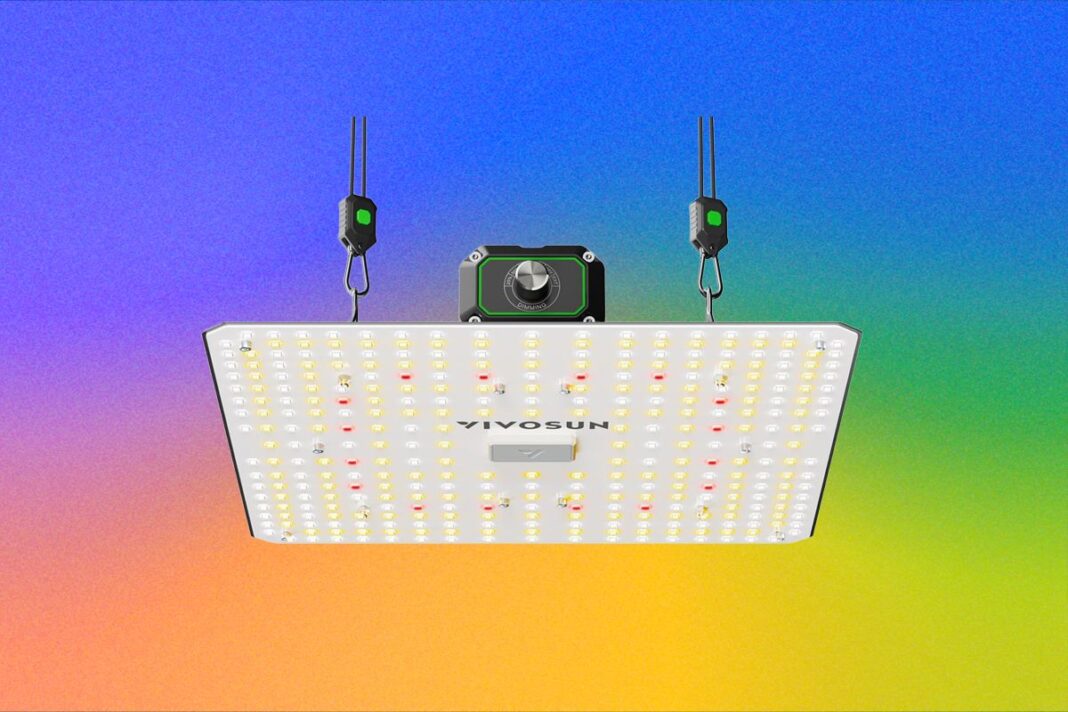
Shorter daylight hours can stress houseplants during winter months. A reliable LED grow light helps maintain healthy growth when natural sun is scarce.
LED grow lights use less energy than traditional bulbs while delivering useful light spectrums. Many models now fit neatly into home spaces without looking industrial.
Full-spectrum LEDs support both leafy growth and flowering stages. Look for lights with adjustable intensity and timers for consistent daily cycles.
Proper distance matters when placing any grow light above plants. Too close can scorch leaves, while too far reduces effectiveness. Most guidelines suggest checking manufacturer spacing charts.
Duration is equally important for plant health. Common recommendations range from 12 to 16 hours of light per day, depending on plant type and season.
Heat output varies across LED designs. Modern units run cooler than older lighting technologies, but ventilation remains useful in small spaces.
Budget options exist for beginners, though build quality and warranty coverage differ. Mid-range models often balance performance with long-term reliability.
Choosing a grow light starts with understanding your plants’ light needs. Matching spectrum, intensity, and schedule to each species produces the best results.