Air purifiers have evolved beyond their single-purpose roots. The latest models combine air cleaning with heating, cooling, and aesthetic functions. These multiuse devices aim to solve indoor air quality issues while serving other household needs.
BlueAir, Rabbit Air, and Dreame lead the market with distinct approaches. BlueAir focuses on smart connectivity and compact design. Rabbit Air emphasizes customizable aesthetics with interchangeable front panels. Dreame integrates powerful filtration with sleek, modern engineering.
Dual-purpose functionality requires careful trade-offs. A heater inside an air purifier adds bulk and weight. A fan function may compromise airflow direction. WIRED testing found that the best units balance these competing demands without sacrificing core filtration performance.
Air quality metrics remain the baseline for evaluation. Clean Air Delivery Rate, or CADR, determines how quickly a unit filters a room. Noise levels matter for bedroom use. Energy consumption affects long-term operating costs, especially when heating or fan features are active.
The heater-integrated models work best in colder climates. They provide supplemental warmth without needing a separate space heater. Fan-equipped purifiers suit year-round use, improving circulation during summer months. Neither replaces dedicated HVAC systems but both reduce reliance on them.
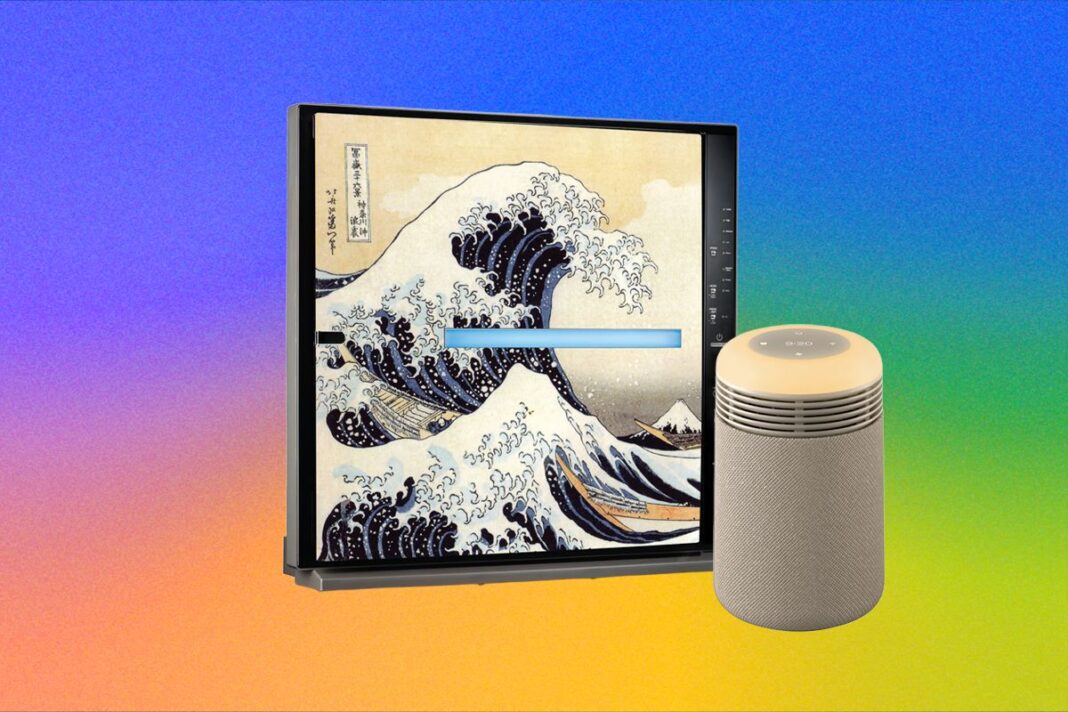
Art-focused designs cater to users who want functional decor. Rabbit Air’s customizable panels turn a utilitarian appliance into a visual piece. This approach appeals to design-conscious homeowners who previously hid their purifiers behind furniture.
Smart features add convenience but vary in quality. BlueAir’s app offers real-time monitoring and scheduling. Dreame supports voice assistant integration. Not all connected features justify the price premium, so buyers should assess which smart capabilities they would actually use.
Filter replacement remains an ongoing cost consideration. Multiuse models often use proprietary filters with higher replacement prices. Buyers should factor in annual filter expenses against the savings from eliminating separate appliances.
The best multiuse air purifier for 2026 depends on household needs. Those prioritizing warmth should examine heating performance ratings. For year-round versatility, fan-equipped models offer broader appeal. Aesthetic-focused buyers have clear options from Rabbit Air.
WIRED’s testing process put each unit through real-world scenarios. Standardized particle tests measured filtration efficiency. Thermal sensors tracked heater output. Noise meters recorded decibel levels in both operating modes. The results show clear distinctions in how each brand handles multiuse integration.
Price ranges vary significantly across the lineup. Budget-conscious buyers can find solid dual-purpose options with basic features. Premium models justify higher costs through superior build quality and advanced sensor suites. The mid-range segment offers the best balance for most homes.
Maintenance complexity increases with additional functions. Heaters require periodic cleaning to prevent dust buildup. Fan modes need regular vent inspection. Owners should commit to routine upkeep to preserve both air quality and equipment longevity.
These multiuse purifiers represent a practical shift in home appliance design. They consolidate functions, save floor space, and reduce energy waste from idle devices. For households seeking efficiency, they offer a compelling alternative to separate machines.