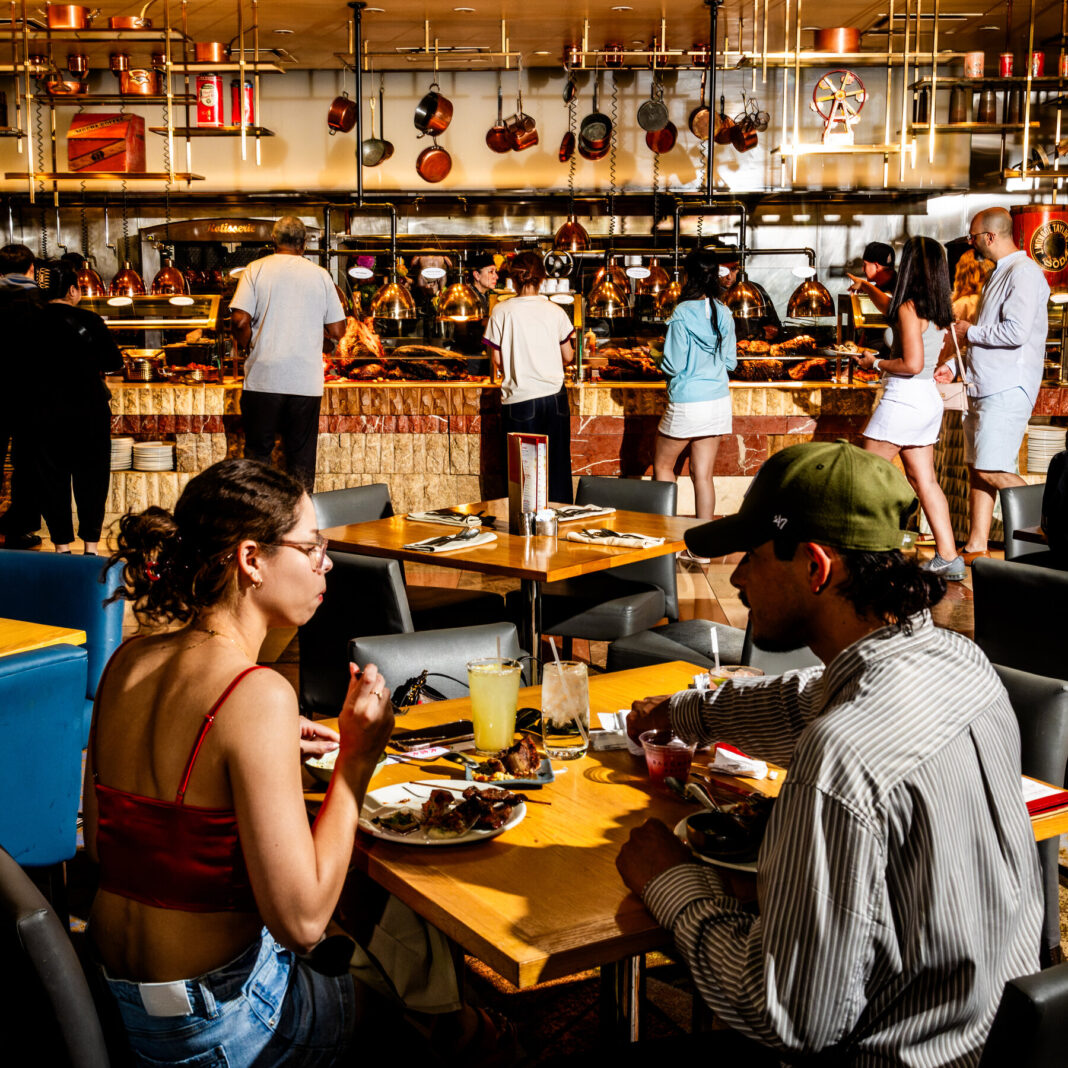
The Las Vegas buffet, a once-grand American tradition, is fading into its twilight years. A food critic recently traveled to the desert to understand what this decline says about the nation.
For decades, the all-you-can-eat spread symbolized excess and abundance. It catered to a uniquely American desire for limitless choice and instant gratification.
Today, rising food costs and changing consumer habits are reshaping the Strip. Many classic buffets have closed, replaced by upscale dining or streamlined food halls.
The shift reflects a broader cultural change. Patrons now seek quality over quantity, with greater interest in local ingredients and chef-driven menus.
Economic pressures also play a role. Operating a massive buffet requires enormous resources, from labor to food waste management, making it less profitable.
For visitors, the experience remains nostalgic, but the golden age has passed. The remaining buffets struggle to balance tradition with modern expectations.
This evolution mirrors a national introspection about consumption. The buffet’s decline is not just a Las Vegas story, but a mirror to the American soul.