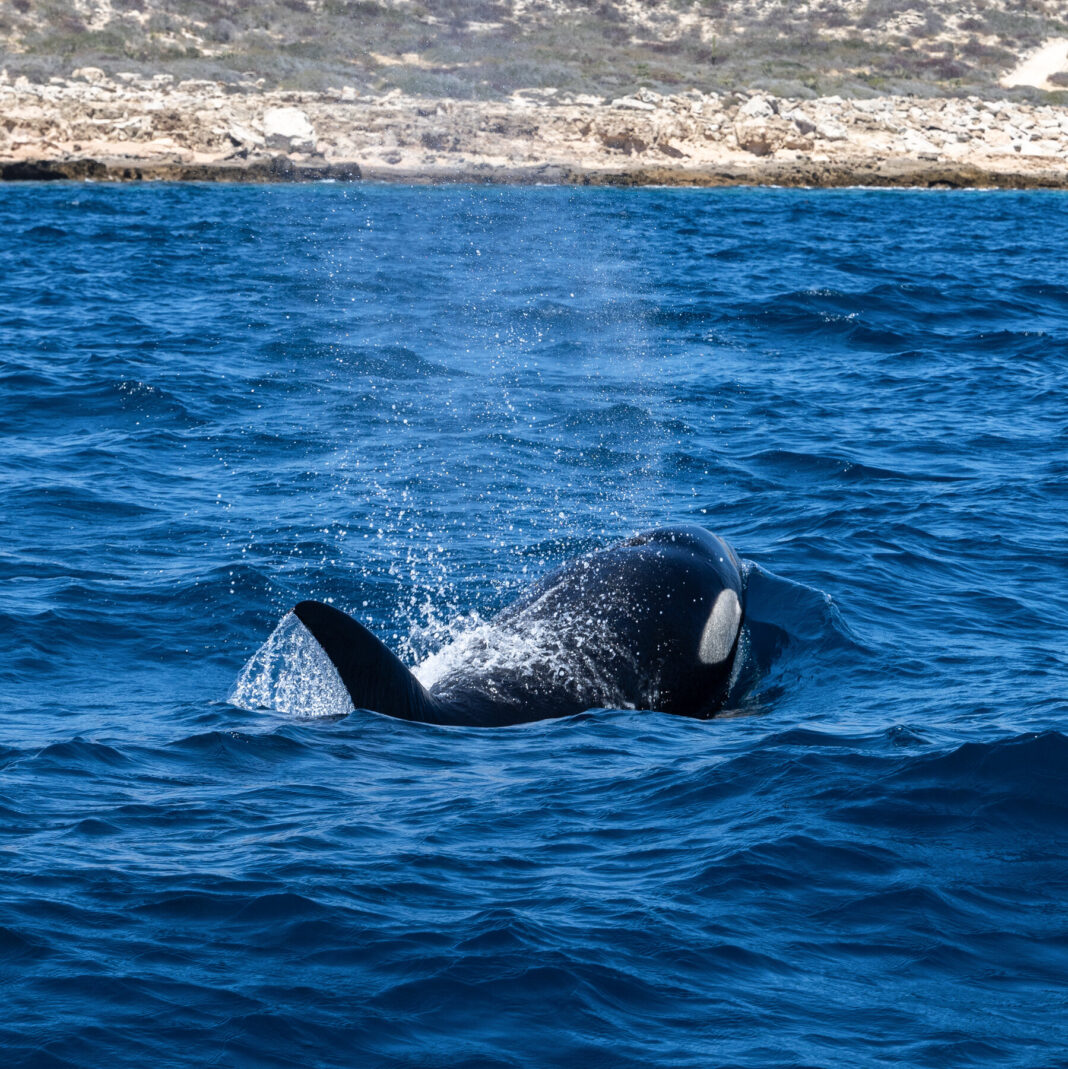
Ethical debates are intensifying around one of the most controversial forms of wildlife tourism. Only two locations on the planet currently permit tourists to enter the water with killer whales.
Critics argue that these interactions pose serious risks to both humans and orcas. The safety of swimmers and the well-being of the animals are increasingly questioned.
Male orcas can reach lengths of 30 feet and weigh up to 12,000 pounds. Their powerful predatory instincts make close encounters inherently dangerous.
The practice raises concerns about stress on the animals. Repetitive human contact may disrupt their natural behaviors and social structures.
Marine biologists note that orcas in the wild rarely attack humans. However, routine feeding or reward-based interactions could change their behavior.
Regulations in the two permitted locations vary, but oversight remains limited. Enforcement relies heavily on operator compliance rather than strict government guidelines.
Some tour operators defend the activities, claiming they promote conservation. They argue that witnessing orcas up close fosters a deeper respect for marine life.
Opponents counter that the primary motivation is profit. They call for more research and standardized safety protocols before accidents occur.
The debate reflects a broader tension in ecotourism. Balancing human curiosity with animal welfare remains an unresolved challenge.
As interest in these experiences grows, experts urge caution. The future of swimming with killer whales hangs on stricter rules and better science.