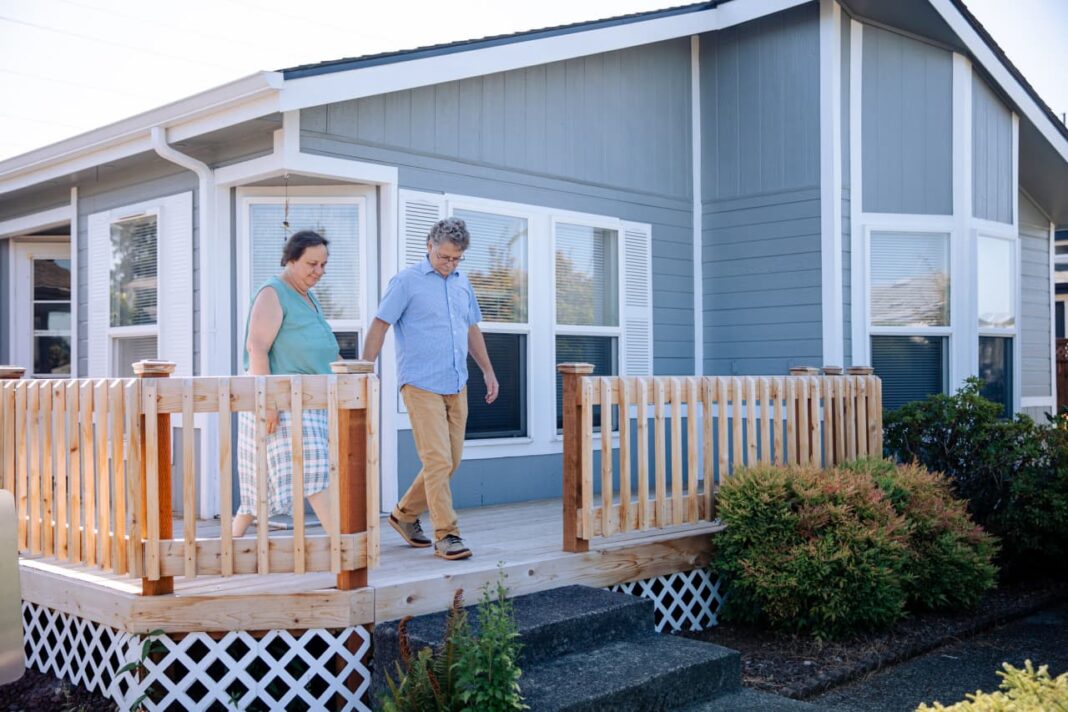
Many retirees hope to stay in their own homes as they grow older. This goal, often called aging in place, can provide comfort and familiarity. However, it often comes with significant, overlooked expenses.
Home modifications are a primary and costly consideration. Installing grab bars, ramps, or stairlifts requires a substantial upfront investment. These changes are essential for safety but are rarely budgeted for in advance.
Ongoing maintenance presents another financial challenge. As a house ages, repairs become more frequent and expensive. Retirees may need to hire help for tasks like lawn care or gutter cleaning they once handled themselves.
Increased utility costs can also strain a fixed income. Older homes are often less energy-efficient, leading to higher heating and cooling bills. Keeping a home comfortably warm or cool year-round becomes more crucial with age.
Property taxes and insurance premiums frequently rise over time. These are fixed costs that do not disappear once a mortgage is paid off. In some areas, these increases can outpace retirement income growth.
Perhaps the most hidden cost is in-home care. If health declines, professional assistance for daily activities may become necessary. This type of long-term care is rarely covered by standard health insurance and is extremely expensive.
Transportation is another factor if driving becomes difficult. Relying on ride-sharing services or taxis for groceries and appointments adds a recurring monthly expense. Public transportation may not be a viable option in all communities.
Ultimately, the emotional value of staying home is high, but the financial reality can be harsh. A thorough assessment of all potential costs is crucial. For some, the numbers may suggest that alternative living arrangements are more sustainable.