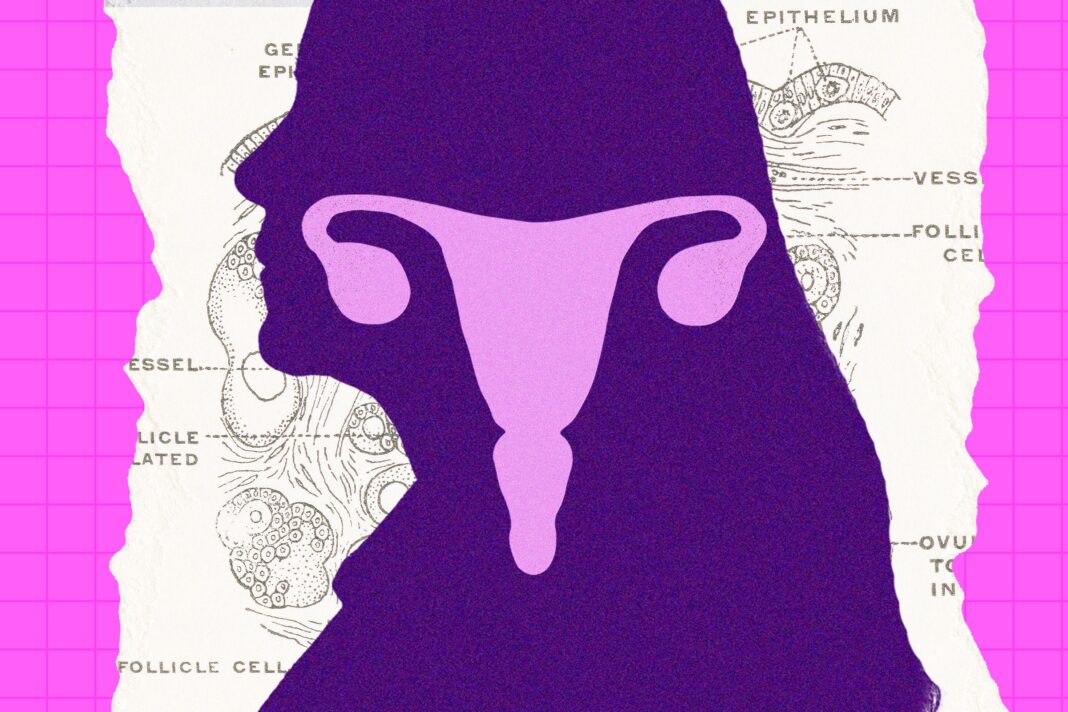
A growing body of research is changing how scientists view the ovary after menopause. Once seen as an egg factory with an expiration date, the organ now appears to remain biologically active for decades.
Studies show that postmenopausal ovaries continue producing hormones and other signaling molecules. These substances can influence conditions such as heart disease, bone loss, and certain cancers.
Researchers are mapping the cellular changes that occur in ovarian tissue after fertility ends. They have found distinct cell populations that persist and may serve functions beyond reproduction.
The ovary’s postmenopausal role may help explain why removing it affects women’s long-term health. Surgery that takes the ovaries can raise risks for cardiovascular and metabolic problems.
Scientists are now investigating whether the ovary acts as an endocrine organ throughout life. Its continued activity could reshape guidelines for hormone therapy and surgical decisions.
Some evidence suggests the ovary communicates with the brain, bones, and immune system after menopause. These signals may help regulate inflammation and tissue repair.
More studies are needed to confirm how this activity varies among women and over time. Researchers hope the findings will lead to better treatments for age-related diseases.
The emerging picture positions the ovary as a lifelong participant in women’s health. Its postmenopausal biology is no longer a closed chapter but an active area of inquiry.