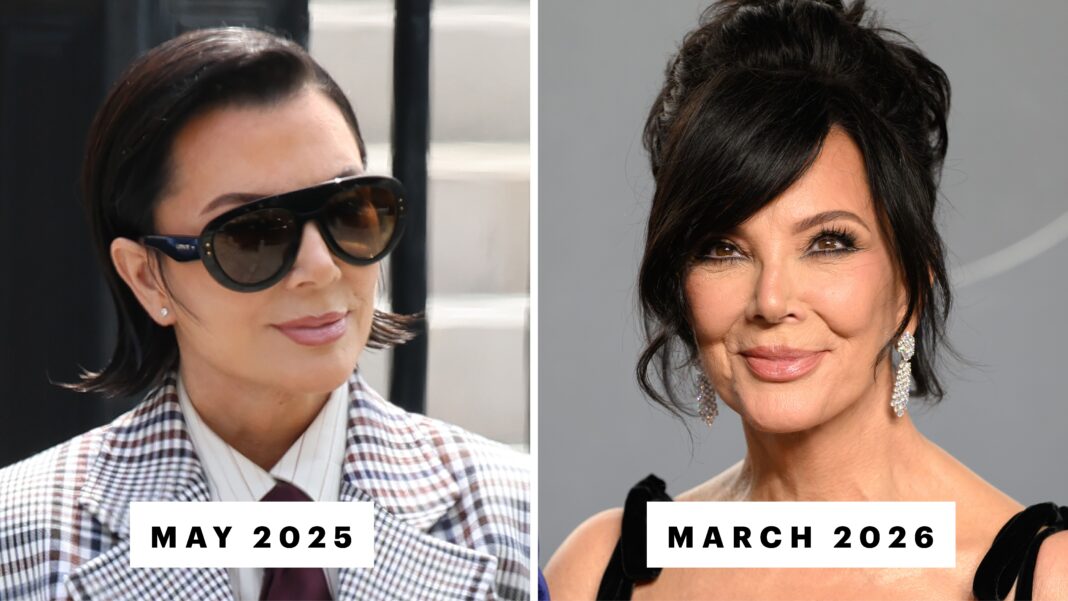
Recent speculation about Kris Jenner’s appearance has sparked discussion. Observers have noted changes in her facial structure. This has led to questions about the longevity of cosmetic procedures.
The conversation often centers on the idea of results “slipping.” This term refers to the natural settling of tissues after surgery. It is a common part of the healing process, not necessarily a failure.
Over time, skin and facial muscles continue to age. Even the most skilled surgical work exists within a living, changing body. The goal is often a refreshed look, not a permanent suspension of time.
Public figures frequently face intense scrutiny over their choices. Every perceived change is analyzed and often attributed to cosmetic work. This creates a narrative that can be difficult to navigate.
The focus on a single individual’s procedure can overshadow broader topics. It shifts attention away from personal autonomy in cosmetic decisions. The discussion becomes about critique rather than choice.
Ultimately, the results of any cosmetic procedure evolve. Judging outcomes based on a single moment in time offers an incomplete picture. The human body is not static.
The ongoing analysis raises a question about public discourse. When does commentary on personal appearance cross a line? The conversation might benefit from a shift in perspective.