A pivotal Supreme Court case from the 1970s quietly reshaped the role of money in American politics. Newly unearthed details reveal how wealthy individuals secured a powerful legal right to spend unlimited sums on elections. The case effectively neutralized post-Watergate reforms intended to curb financial influence.
In the aftermath of the Watergate scandal, Congress moved aggressively to limit political contributions. Lawmakers aimed to reduce corruption by capping campaign spending and donations. These efforts sought to restore public trust in the electoral system.
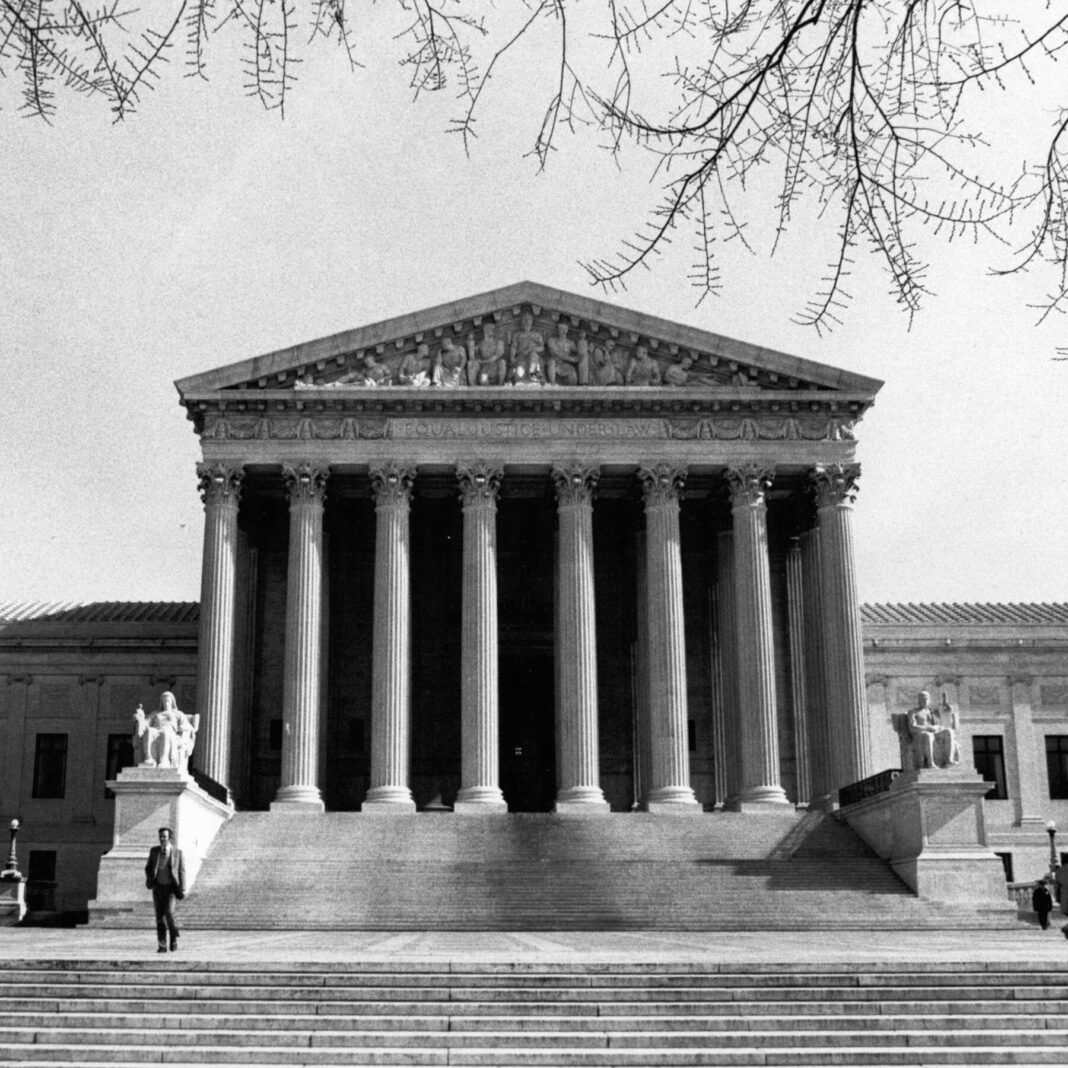
However, a legal challenge emerged from an unlikely source: a conservative activist and a Senate candidate. The case, Buckley v. Valeo, reached the Supreme Court in 1976. The court’s ruling dramatically altered the landscape of campaign finance.
The court distinguished between contributions to candidates and independent spending. It ruled that spending money independently to advocate for a candidate is a form of free speech. This distinction granted wealthy individuals and groups a constitutional right to spend without limits.
The decision effectively gutted key portions of the new campaign finance laws. It opened the door for immense sums of money to flow into elections from private sources. Critics argue this laid the groundwork for modern political dominance by billionaires.
Newly released documents and interviews now shed light on the backroom strategies behind the case. Wealthy donors and their legal teams deliberately crafted arguments to protect their financial influence. The ruling’s long-term impact is now more visible than ever.
Today, billionaires can spend unlimited amounts through super PACs and dark-money groups. This power stems directly from the Buckley framework, which has never been overturned. The case remains a cornerstone of the argument that money equals speech in politics.
The post-Watergate reform era intended to minimize the role of private wealth in governance. The Buckley decision instead enshrined it as a protected right. The result is a political system where financial power often outweighs the voice of ordinary voters.