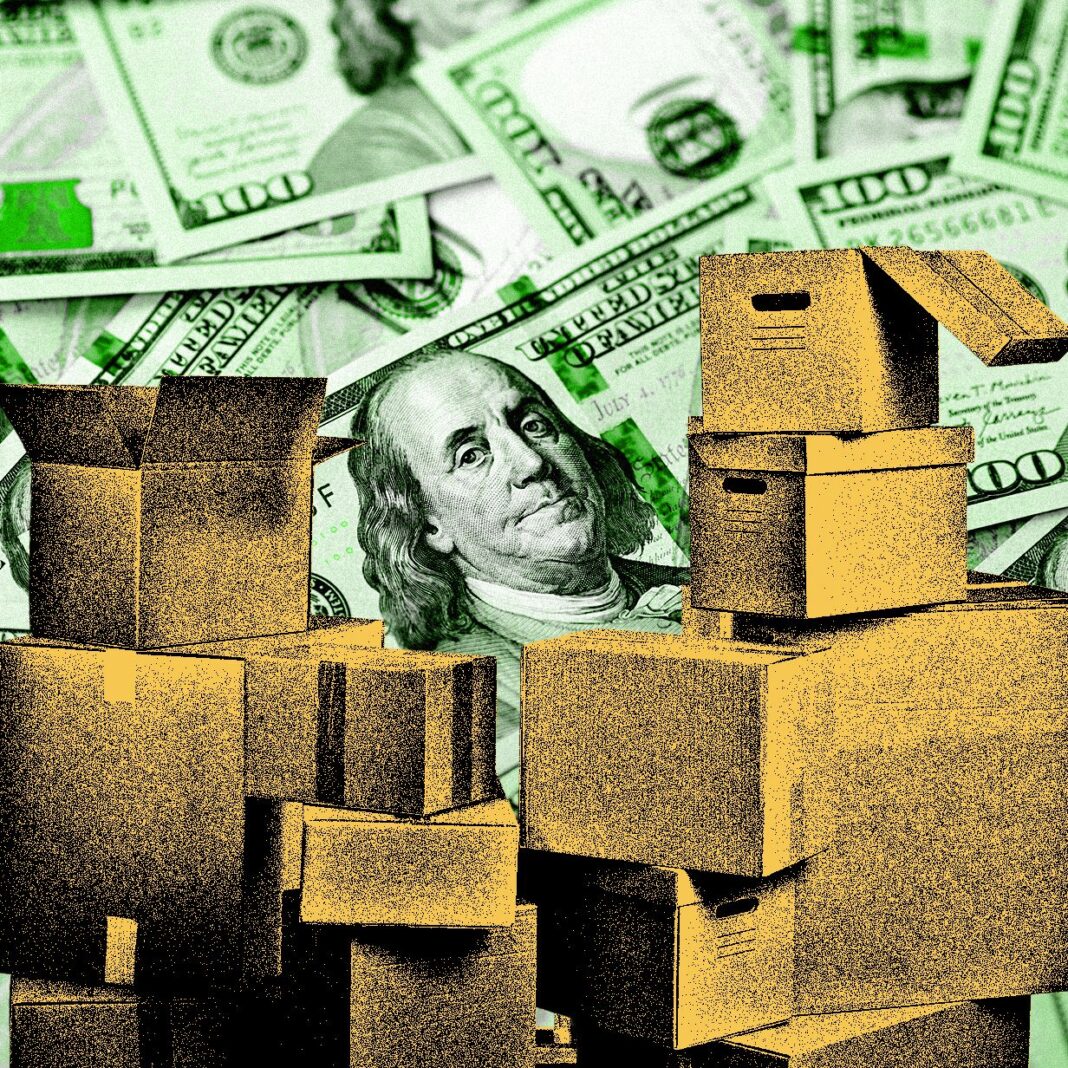
Influencers and resellers have found a new source of income in an unlikely product: empty boxes. The packaging from luxury goods, once discarded without a second thought, is now being bought and sold for significant sums. This niche market thrives on the growing demand for “authenticity” in online content.
Content creators are purchasing these empty boxes to stage photos and videos. The packaging helps them project a lifestyle that may not match their actual purchases. For many, the visual cue of a designer box is enough to signal status and wealth to their audience. This practice has turned simple cardboard and paper into a valuable commodity.
Resellers have taken notice of this demand and are now listing empty boxes for what one observer described as “crazy prices.” A box from a high-end brand can sell for a fraction of the original product’s cost, yet still command a premium over its material value. The market is driven entirely by perception and the need for social proof.
The trend highlights a broader shift in how value is assigned to goods in the digital age. An item’s worth is no longer tied solely to its function or craftsmanship. Instead, its ability to generate engagement or convey a certain image can make it more profitable than the product itself. This has created a strange economy where emptiness holds tangible value.
Sellers source these boxes through various channels, including recycling programs, store employees, and direct purchases from consumers. Some even buy the actual product and resell the box separately to maximize their return. This approach allows them to profit twice from a single purchase, once from the item and again from its packaging.
The practice raises questions about consumer behavior and the lengths people will go to for online clout. Critics argue it promotes a culture of superficiality, where appearances matter more than substance. Supporters, however, see it as a smart way to monetize an otherwise worthless byproduct of consumerism.
The box market remains unregulated, and buyers should be cautious about scams. There is no guarantee that a box is genuine, and authentication services rarely cover packaging. Still, the demand shows no signs of slowing, as the pursuit of an authentic online persona continues to drive unusual economic activity.