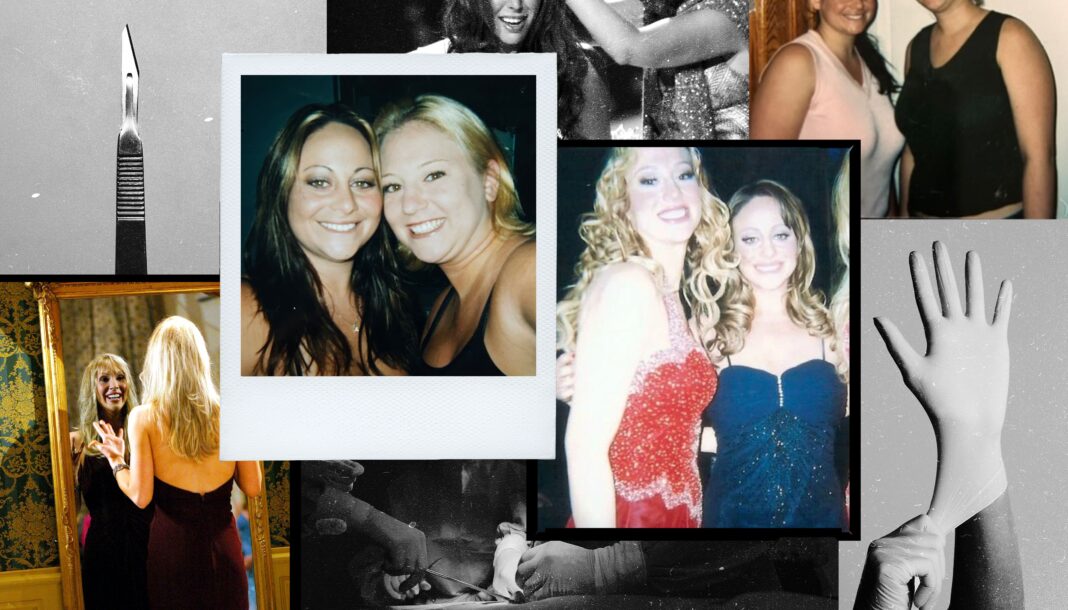
The reality series “The Swan” premiered in 2004 and ended its run two decades ago. The show subjected participants to extensive plastic surgery and intense coaching. It promised a dramatic transformation for women judged on their appearance.
Each episode followed a different woman through a weeks-long journey. Contestants underwent multiple cosmetic procedures, often without seeing results until the end. They competed against themselves and others in a pageant-style finale. The premise drew high ratings and widespread criticism.
Medical experts have since questioned the ethics of the show’s approach. Participants faced significant physical and psychological risks. The rapid timeline for surgeries and recovery raised safety concerns. Many former contestants later spoke about lasting emotional and physical effects.
The plastic surgery industry has changed in some ways since the show aired. Non-invasive procedures have grown more popular than major surgery. Social media has shifted beauty standards toward more natural-looking results. Patients now research procedures more thoroughly before committing.
Yet some troubling patterns from the reality TV era remain. The pressure to achieve a perfect appearance has not disappeared. Influencers and filters now drive cosmetic decisions alongside traditional media. Quick fixes and extreme transformations still attract attention online.
Regulations around cosmetic surgery have tightened in certain regions. Informed consent and psychological screening are now standard in many practices. However, oversight varies widely between countries and individual providers. Critics argue that entertainment still blurs the line between medicine and spectacle.
The legacy of “The Swan” persists in how audiences consume transformation content. Reality shows like “Botched” and “90 Day Fiancé” continue the tradition. The line between genuine medical care and televised drama remains blurred. Twenty years later, the debate over ethics and entertainment endures.