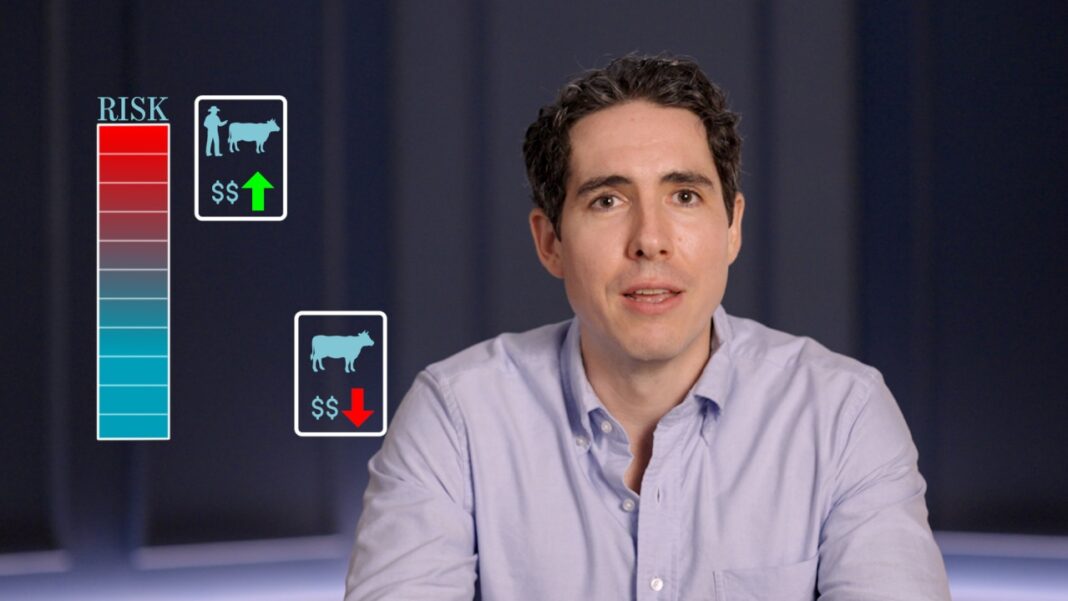
A concentrated bet on artificial intelligence using an aggressive hedging technique led to significant losses at Situational Awareness, a hedge fund that had attracted attention for its high-profile backing. The strategy, known on Wall Street as a “Texas hedge,” amplified rather than reduced the fund’s exposure to market swings.
A Texas hedge involves taking offsetting positions that do not actually neutralize risk but instead increase potential gains or losses. In this case, the fund reportedly used the approach to double down on its AI-related investments. The tactic backfired when market conditions turned against those positions, according to a report by The Wall Street Journal’s Peter Rudegeair.
The fund’s losses highlight the growing use of complex derivatives and leveraged bets among smaller, agile investment shops. While traditional hedges aim to protect portfolios from adverse price movements, a Texas hedge often does the opposite, leaving firms more vulnerable. Investors in Situational Awareness were exposed to sudden and severe drawdowns as a result.
Situational Awareness had positioned itself as a tech-focused fund, with a particular emphasis on companies tied to the artificial intelligence boom. That sector has seen volatile trading in recent months, with sharp rallies followed by steep corrections. The fund’s willingness to concentrate capital in this area increased its sensitivity to these swings.
The episode serves as a cautionary example for investors who assume that all hedging strategies reduce risk. In practice, some approaches, like the Texas hedge, are designed to magnify conviction bets, not provide safety. Financial advisors often warn that such tactics require precise timing and a high tolerance for volatility.
Regulatory filings and investor communications may shed more light on the exact structure of the trades that led to the losses. For now, the situation underscores the challenges faced by funds that pursue outsized returns through concentrated, leveraged positions. Market participants are watching to see how the fund adjusts its strategy moving forward.
For everyday investors, the lesson is clear: complexity in financial strategies does not guarantee protection. Understanding the mechanics behind a fund’s approach is essential before committing capital. The Situational Awareness case adds to a growing list of examples where sophisticated tools produced unintended outcomes in turbulent markets.