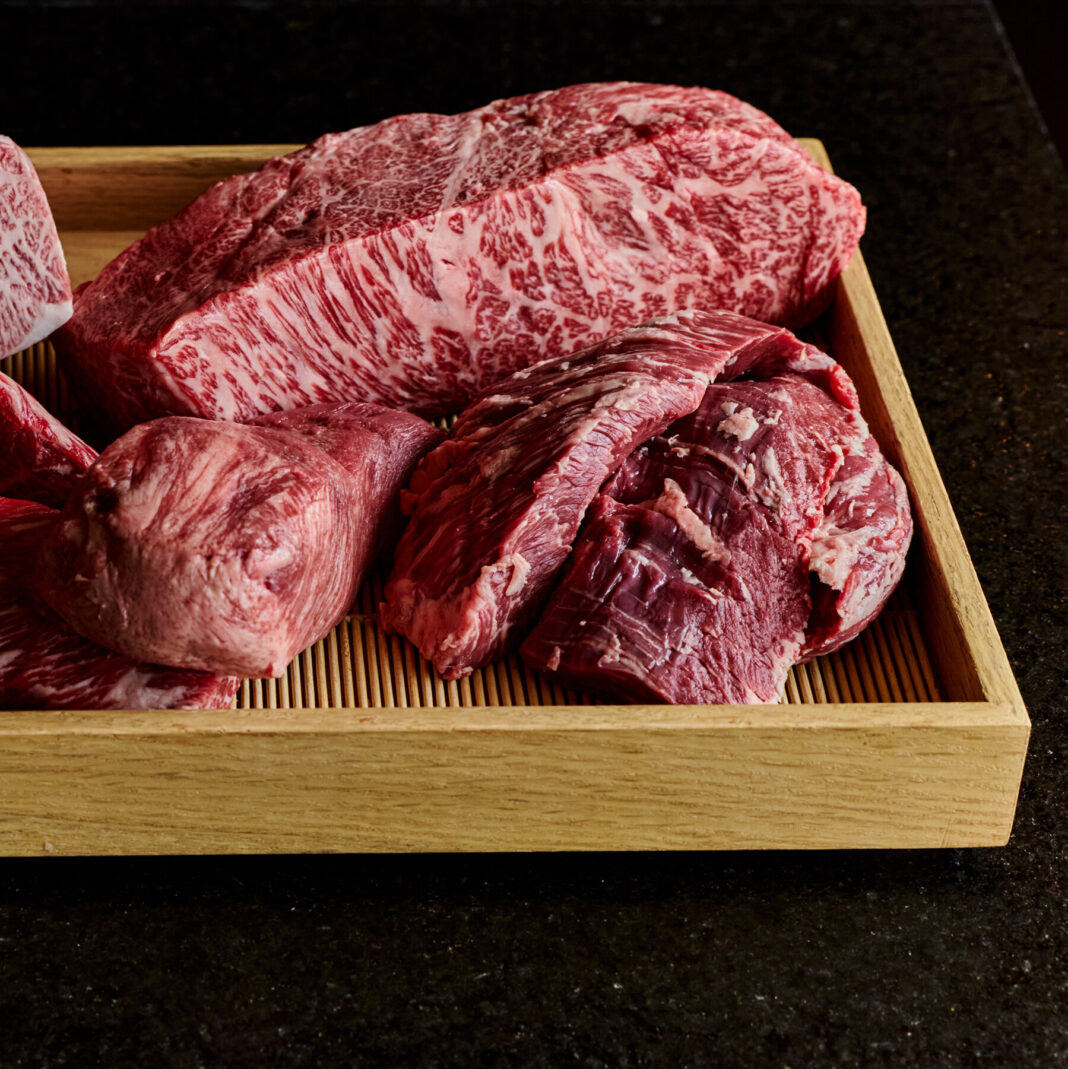
The term “Wagyu” once signaled a specific, high-quality beef from Japan. Today, its meaning has become diluted and often confusing for consumers. Many products labeled as Wagyu bear little relation to the original.
This shift stems from global demand and evolving production methods. Crossbreeding with other cattle breeds is now common outside Japan. The result is a wide spectrum of meat quality under the same name.
Authentic Japanese Wagyu comes from specific heritage breeds raised under strict protocols. These include Tajima cattle, the source of famous Kobe beef. Their intensive marbling creates a uniquely rich flavor and texture.
Outside Japan, regulations governing the label are far less stringent. A steak might be from a full-blood Wagyu animal or one with only a small percentage of Wagyu genetics. This variance makes consistent quality hard to guarantee.
The premium price attached to the name doesn’t always reflect the product’s authenticity. Shoppers may pay a high cost for beef that is only marginally different from other high-grade cuts. Understanding the label’s specifics is crucial.
For a true Wagyu experience, look for designations like “Japanese Wagyu” with a prefecture of origin. Certifications from groups like the Japanese Wagyu Registry offer more assurance. These details matter more than the word alone.
The battle over the Wagyu name reflects a larger story about food labeling and value. As the market expands, clarity for the consumer becomes the real casualty. Knowing what you are actually buying is the first step.