A family booked an Airbnb months in advance for a trip to Southern California tied to the World Cup. The reservation was confirmed and paid for at the original rate.
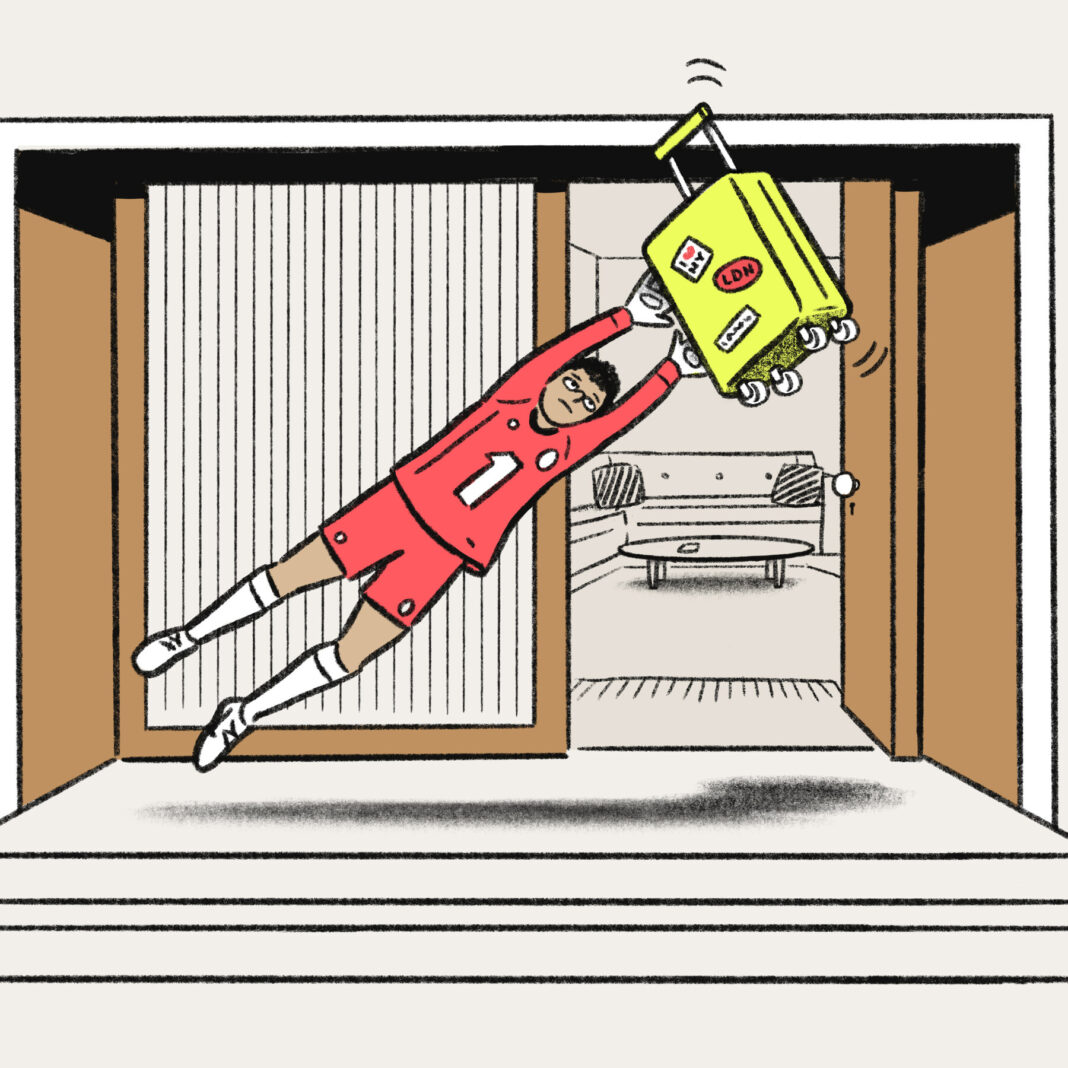
Days later, a new host took over the property and demanded a higher price. The family refused to pay the increase, and the host canceled the booking.
The family then struggled to find alternative accommodations at a comparable price. With the tournament approaching, available rentals in the area had surged in cost.
Airbnb’s policy allowed the host to cancel without penalty under certain conditions. The company did not force the host to honor the original booking or provide significant compensation to the guests.
This situation highlights a gap in consumer protection for short-term rentals. While hotels typically guarantee a rate once booked, platforms like Airbnb often give hosts more flexibility.
Travelers who plan far ahead for major events face particular risks. A confirmed reservation may not be secure if a host decides to change terms later.
For those booking ahead of high-demand events, experts recommend reading cancellation policies carefully. Contacting the platform directly after a change in ownership can also help clarify options.
Having a backup plan, such as a refundable hotel reservation, can reduce the impact of a last-minute cancellation. This case serves as a cautionary example for future event travel.