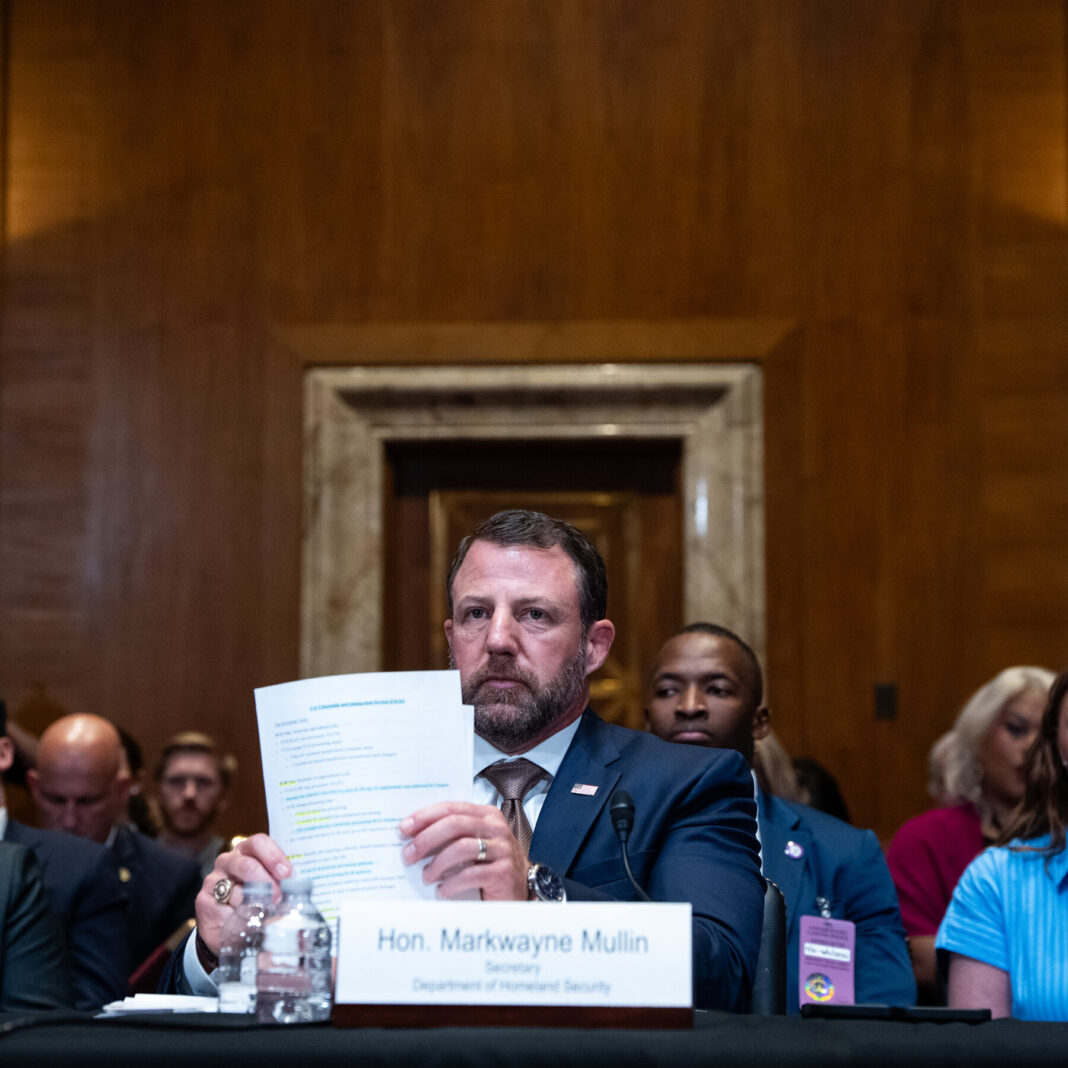
The Trump administration has moved to revoke the U.S. citizenship of 17 immigrants, marking an escalation in efforts to target the legal immigration system.
The cases represent a broader push to denaturalize more individuals, signaling a shift beyond recent enforcement actions. Officials are focusing on alleged fraud or misconduct during the naturalization process.
Immigration lawyers and advocates argue the effort may overreach, targeting people who obtained citizenship years ago. The administration counters that citizenship must be protected from those who violated the law to acquire it.
Each case involves immigrants from various countries, though specific details remain sealed in court filings. government lawyers are expected to argue that these individuals concealed criminal histories or provided false information.
These denaturalization efforts are rare, historically reserved for severe cases like war crimes or terrorism. The current administration has expanded the criteria, seeking to review thousands of older naturalization records.
Critics warn this could create fear among lawful permanent residents who followed the rules. Supporters say it reinforces accountability within the immigration system.
The move comes amid broader policy changes, including stricter visa screening and reduced legal immigration quotas. Legal challenges are expected, with civil rights groups preparing to intervene.