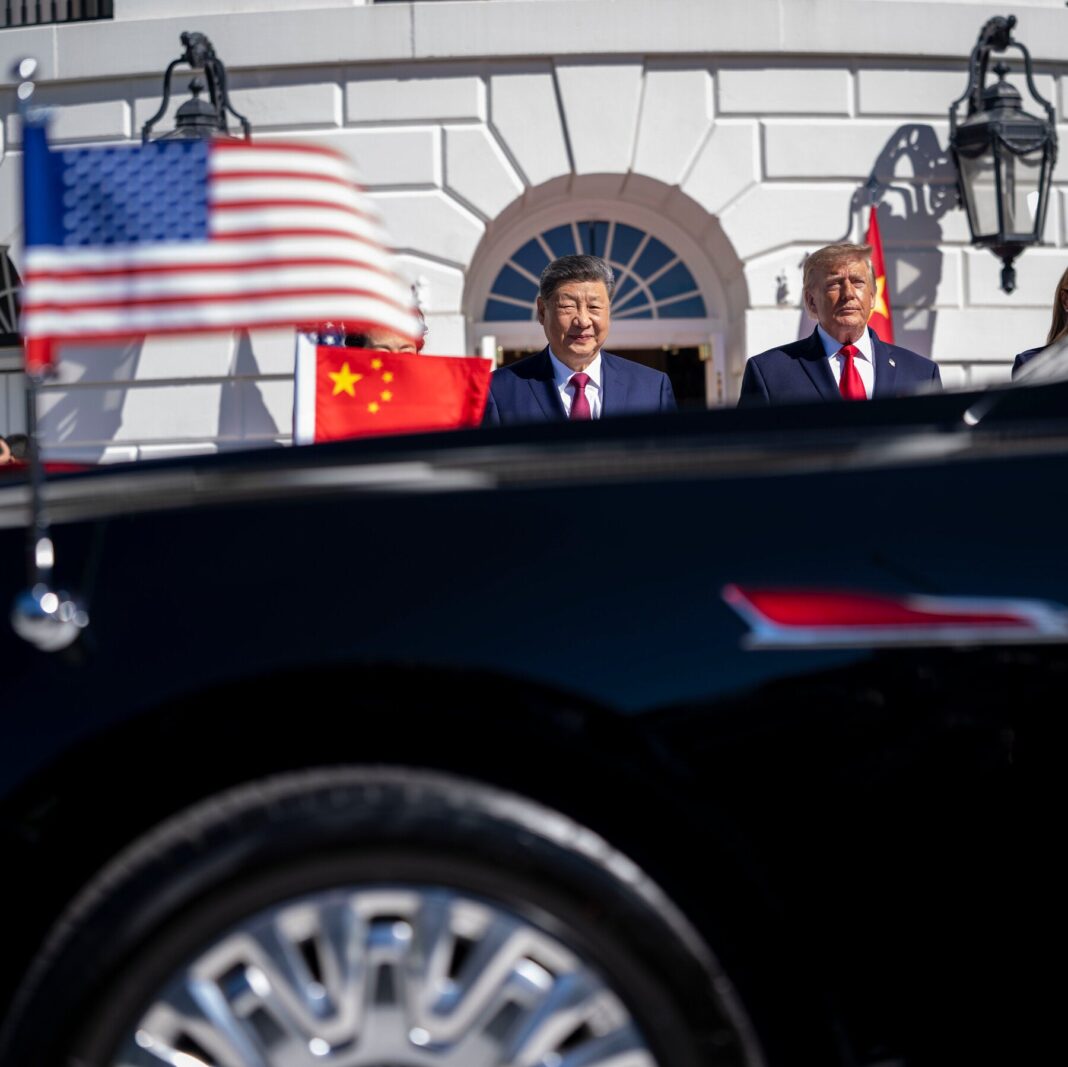
President Trump and Chinese leader Xi Jinping held a summit that overshadowed the United Nations General Assembly this week. The meeting drew global attention away from the U.N.’s annual gathering in New York. Both leaders used the event to project power and set their own diplomatic agenda.
The U.N. struggled to produce major agreements during its biggest week of the year. Deep divisions among member states blocked progress on key issues. The Security Council remained paralyzed on several ongoing conflicts.
Xi’s decision to prioritize the bilateral summit signaled China’s shifting diplomatic focus. Beijing appears increasingly willing to bypass multilateral institutions. Direct engagement with Washington now takes precedence over U.N.-centered diplomacy.
The Trump administration welcomed the high-stakes meeting as a chance to reshape U.S.-China relations. Trade, security, and technology dominated the discussion. Both sides described the talks as candid but offered few concrete outcomes.
The summit’s timing highlighted the U.N.’s waning influence on the world stage. Major powers increasingly favor bilateral deals over multilateral consensus. This trend leaves the U.N. with a diminished role in resolving global crises.
The General Assembly featured speeches from dozens of world leaders. Yet the spotlight remained fixed on the U.S.-China meeting. Many delegates expressed frustration that bilateral talks eclipsed collective action.
The U.N. faces mounting criticism for its inability to address pressing global challenges. Gridlock among permanent members has stalled action on multiple fronts. Reforming the institution remains a difficult and divisive task.
The summit produced no major breakthroughs but carried symbolic weight. It demonstrated that the U.S. and China still view direct talks as essential. For now, their bilateral dynamic continues to shape global politics more than any U.N. forum.