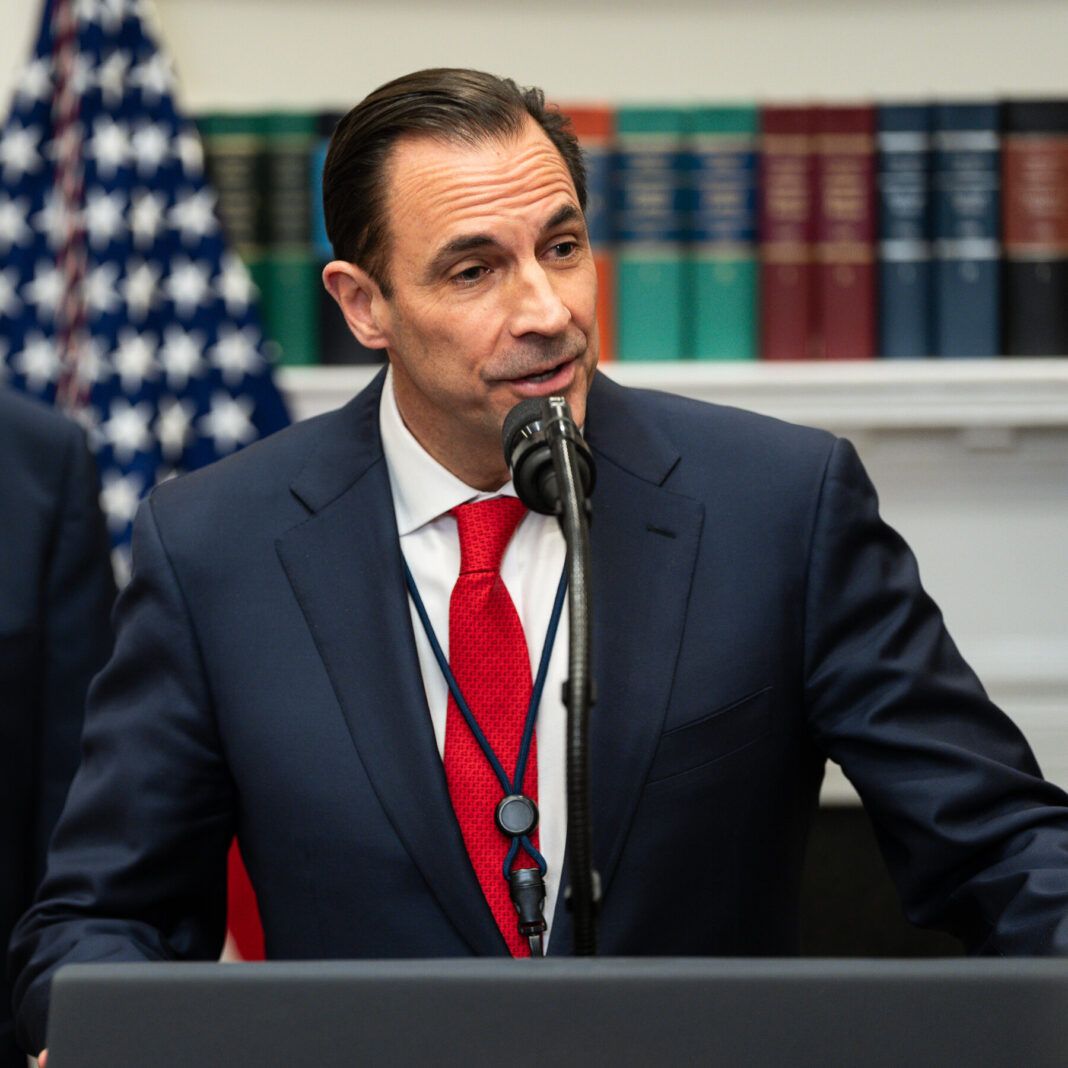
Mark Paoletta, a veteran administration lawyer and close associate of Justice Clarence Thomas, has been selected by President Trump to lead the National Capital Planning Commission. The appointment places Paoletta at the helm of the federal agency responsible for overseeing development and planning in the Washington, D.C., region.
The commission’s mandate includes reviewing construction projects that involve federal land or buildings. This includes proposals tied to the Trump Organization’s properties, which have faced scrutiny in the past. Paoletta’s new role could influence decisions on such projects, given his direct ties to the administration.
Paoletta has served in multiple legal capacities across Republican administrations. He previously worked in the White House counsel’s office and the Department of Justice. His professional history also includes roles in the Office of Management and Budget, where he focused on regulatory and legal affairs.
His relationship with Justice Thomas has been noted in legal circles, though it is not expected to play a direct role in his commission duties. The panel’s work is largely administrative, focusing on urban planning, zoning, and federal property management.
The selection has drawn attention because of the potential overlap between Paoletta’s legal background and the commission’s oversight of real estate developments. Trump’s properties in the capital area may require federal approvals, which could fall under the commission’s jurisdiction.
The National Capital Planning Commission operates with a mix of appointed and ex-officio members. Its decisions affect federal buildings, memorials, and other major projects in the region. The chair position carries significant weight in shaping long-term urban development priorities.
Paoletta’s appointment is subject to standard confirmation or internal processes, depending on the role’s specific requirements. No formal objections have been raised publicly so far, but the choice has sparked commentary among planning and ethics observers.
The commission has historically maintained a nonpartisan reputation, focusing on technical and design standards. Paoletta’s political background may test that tradition, though his legal expertise could also streamline complex approvals. Further details on his priorities are expected once he assumes the role.