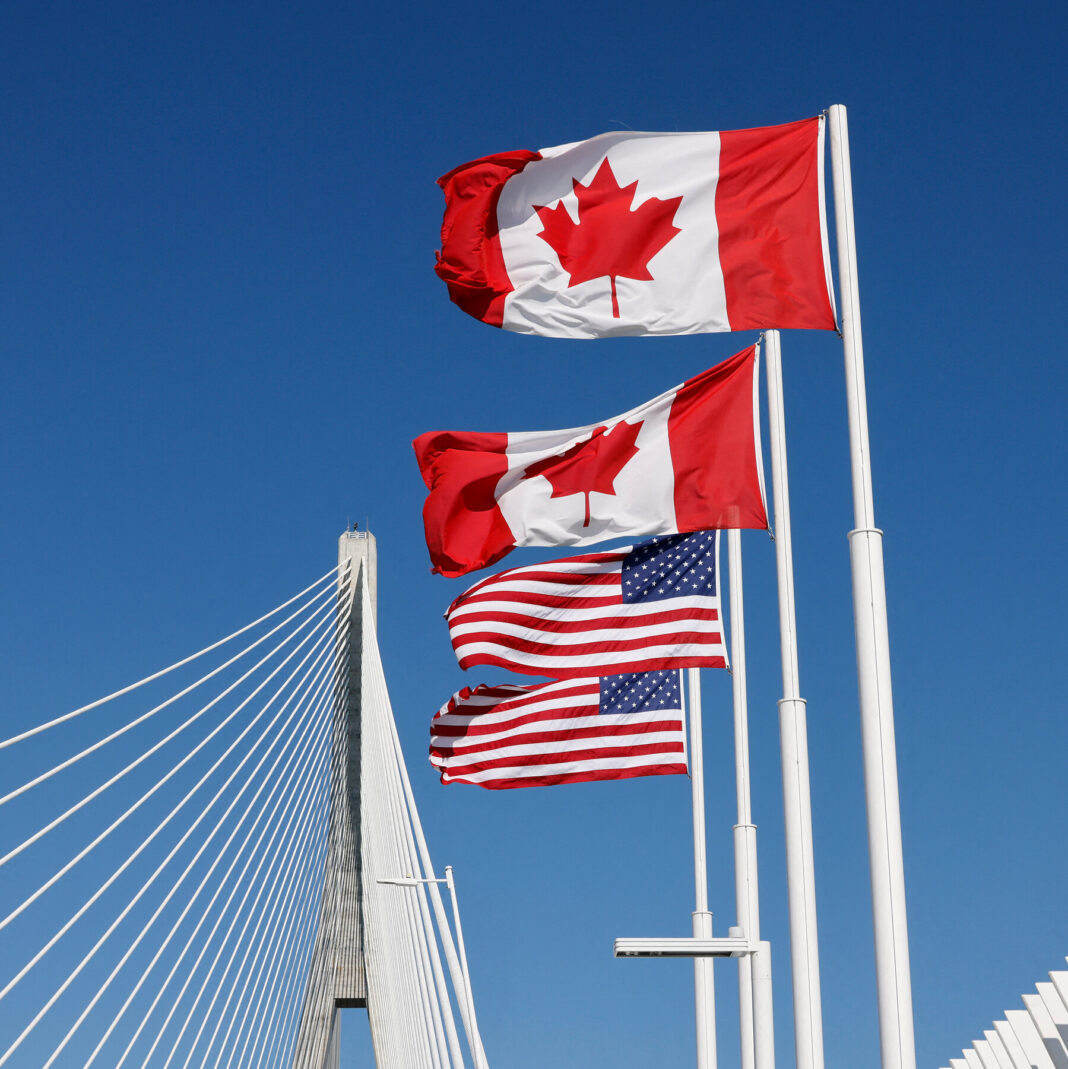
President Donald Trump’s trade standoff with Canada has sparked criticism from voters in key border and industrial states. These states could determine Senate control in the upcoming midterms. The tension highlights a growing divide among his supporters.
Voters who backed Trump in previous elections now face economic pressure from his trade policies. Tariffs and stalled negotiations with Canada have raised costs for local businesses and consumers. Many worry about job losses in manufacturing and agriculture.
Border-state communities rely heavily on cross-border trade with Canada. Retaliatory tariffs have hurt exports in industries like auto parts, lumber, and dairy. Local leaders report rising uncertainty among workers and small business owners.
The administration argues the measures aim to protect American industries and secure better trade terms. Supporters say short-term pain will lead to long-term gains. Critics counter that the strategy risks alienating the very voters who propelled Trump to victory.
Midterm races in states like Michigan, Wisconsin, and Pennsylvania are tightening. Senate candidates must balance loyalty to Trump with local economic concerns. Some have begun distancing themselves from the trade war’s harshest effects.
Polls show shifting voter sentiment in industrial regions. Economic anxiety often outweighs party loyalty in close elections. The Canada dispute has become a flashpoint in town halls and campaign ads.
The outcome will test whether Trump’s base prioritizes his trade agenda over immediate financial stability. Both parties are watching these states closely. The midterms could hinge on how voters reconcile national policy with local hardship.