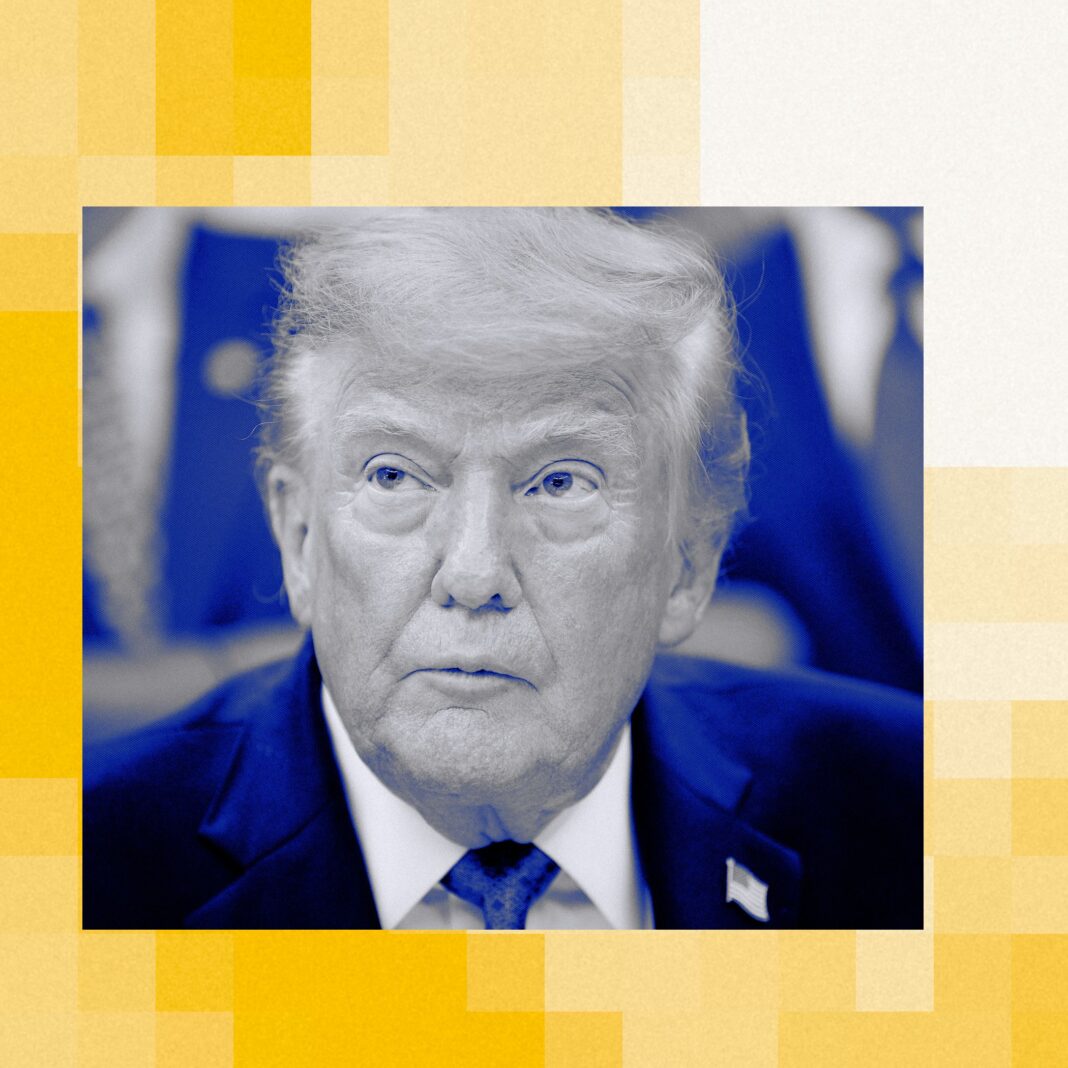
President Trump recently pressured technology leaders to drop the term “artificial intelligence” in favor of “American intelligence.” The rebranding effort functioned as a political loyalty test for the industry. Executives who had long championed AI quickly complied with the change.
For years, Silicon Valley billionaires promoted AI as a transformative force. They funded research, launched products, and publicly celebrated the technology. Their enthusiasm often bordered on obsession.
When Trump called for the name change, those same executives offered little resistance. Many adopted the new phrasing without public objection. Their silence revealed how easily corporate principles bend under political pressure.
The shift was not based on technical merit or scientific consensus. No new research prompted the linguistic change. Instead, it served a political narrative about national identity and technological dominance.
Industry insiders noted the move could confuse the public and muddy technical discourse. AI researchers warned that rebranding a established field creates unnecessary barriers. International collaboration may suffer as terminology becomes politicized.
Tech executives have long sought favorable treatment from Washington. Tax breaks, deregulation, and government contracts depend on political goodwill. The rebranding gave them a low-cost way to signal allegiance.
Critics argue the episode exposes a deeper problem. Companies that once promised to prioritize innovation now follow whoever holds power. Their willingness to abandon basic terminology suggests a troubling lack of conviction.
The long-term effects remain unclear. Some startups may adopt “American intelligence” to curry favor with federal agencies. Others could resist, creating a split in how the industry describes its own work.
What is clear is that the rebranding succeeded as a loyalty test. Tech leaders passed by staying quiet. Whether that silence serves the public interest is another question entirely.