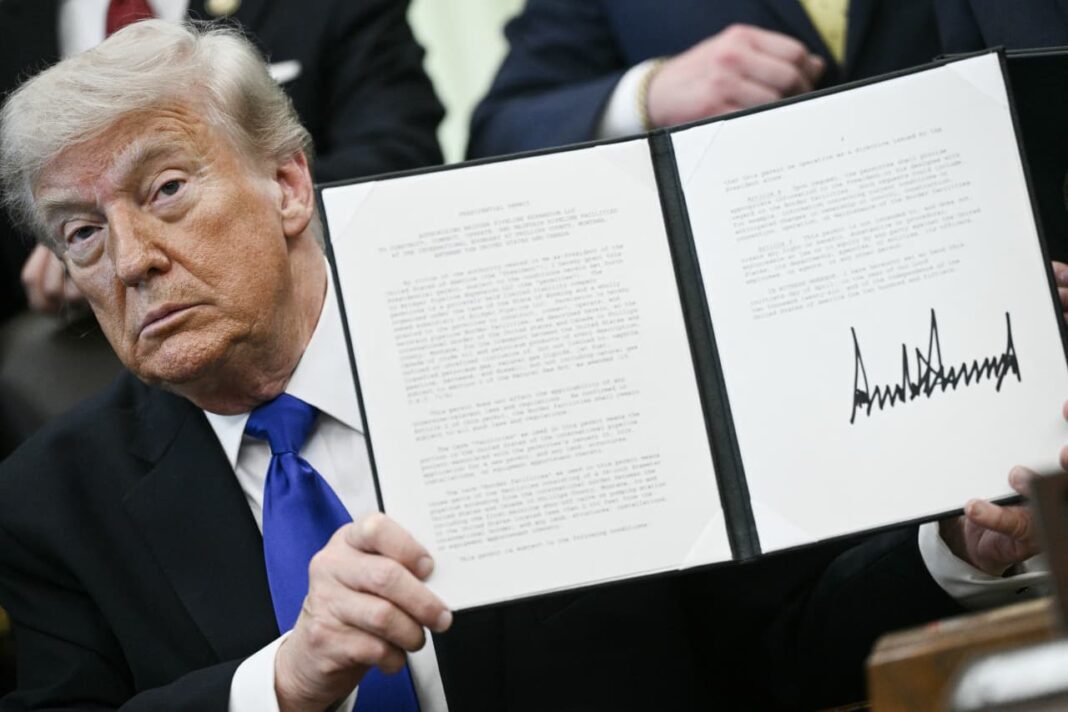
A new executive order from the Trump administration aims to expand access to retirement savings. However, experts say it will do little to help workers earning under $35,000 a year.
The order encourages the use of multiple employer plans and open multiple employer plans. These structures allow small businesses to band together and offer 401(k) plans.
This approach works best for companies with higher-paid employees. Low-wage workers often lack the disposable income to set aside money for retirement.
Outside of workplace retirement plans, the executive order offers no new savings tools for low earners. Experts have struggled for decades to create effective solutions for this group.
The order does not address the financial reality that many low-income households face. Bills and daily expenses typically take priority over long-term savings.
Without direct subsidies or emergency savings accounts, the impact on low-wage workers remains limited. The executive order focuses on expanding plan access, not on removing contribution barriers.
Tax credits for plan startup costs help employers, not employees. Low-wage workers need more fundamental changes to make saving feasible on their income.