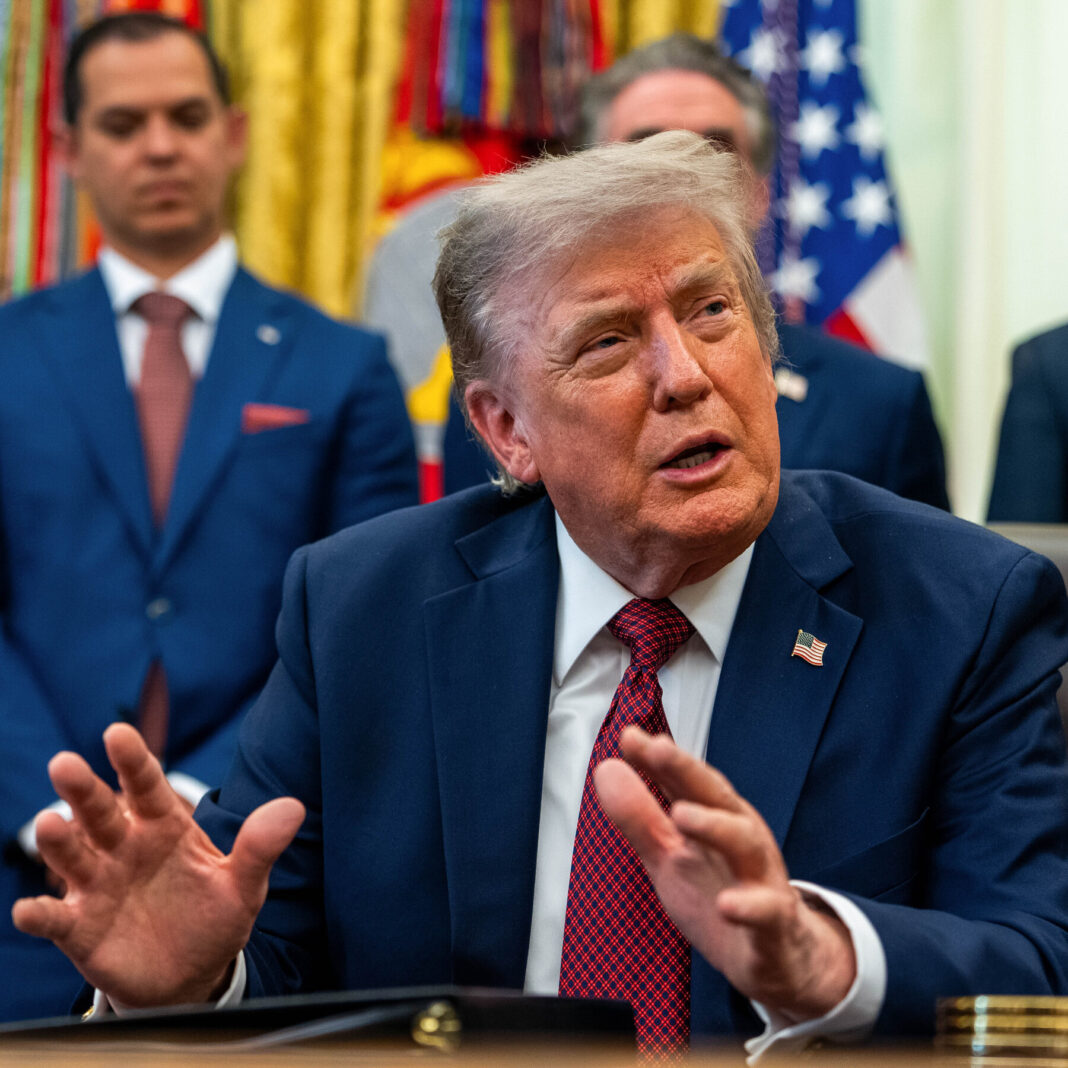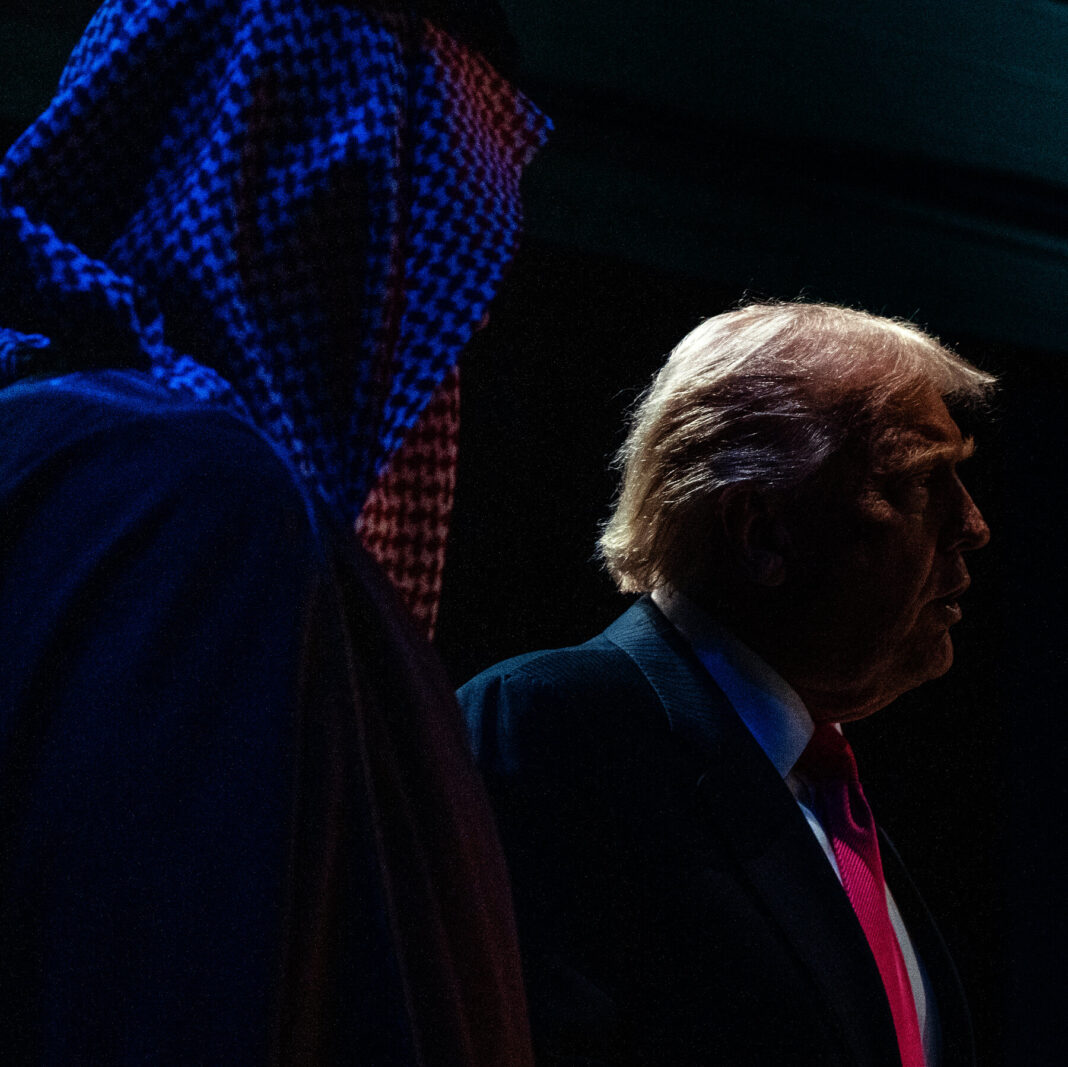
President Trump is advancing a broad nuclear energy agenda that includes a proposed civilian nuclear deal with Saudi Arabia. The initiative aligns with longstanding U.S. goals to expand nuclear power abroad.
The president’s family members and political supporters hold business interests that could benefit from this push. Several have financial stakes in companies involved in nuclear technology or infrastructure.
No direct link has been established between specific policy decisions and private gains. However, overlapping business ties create potential for financial advantages.
The proposed Saudi deal would allow the kingdom to develop nuclear energy under American oversight. Critics warn it could also enable Riyadh to enrich uranium or reprocess fuel, raising proliferation concerns.
Trump’s domestic agenda includes supporting new reactor designs and streamlining regulation for advanced nuclear projects. These changes could open the market for smaller, modular reactors.
Former administration officials and allies have invested in nuclear startups seeking access to federal programs. Some of these firms stand to benefit from relaxed export rules or government subsidies.
The White House has not disclosed whether the president’s financial conflicts of interest are reviewed in relation to nuclear negotiations. Current law does not require such disclosure for presidential business ties.
Ethics experts have raised questions about whether the agenda serves a broader public good or private interests. No formal investigation into potential conflicts has been announced.