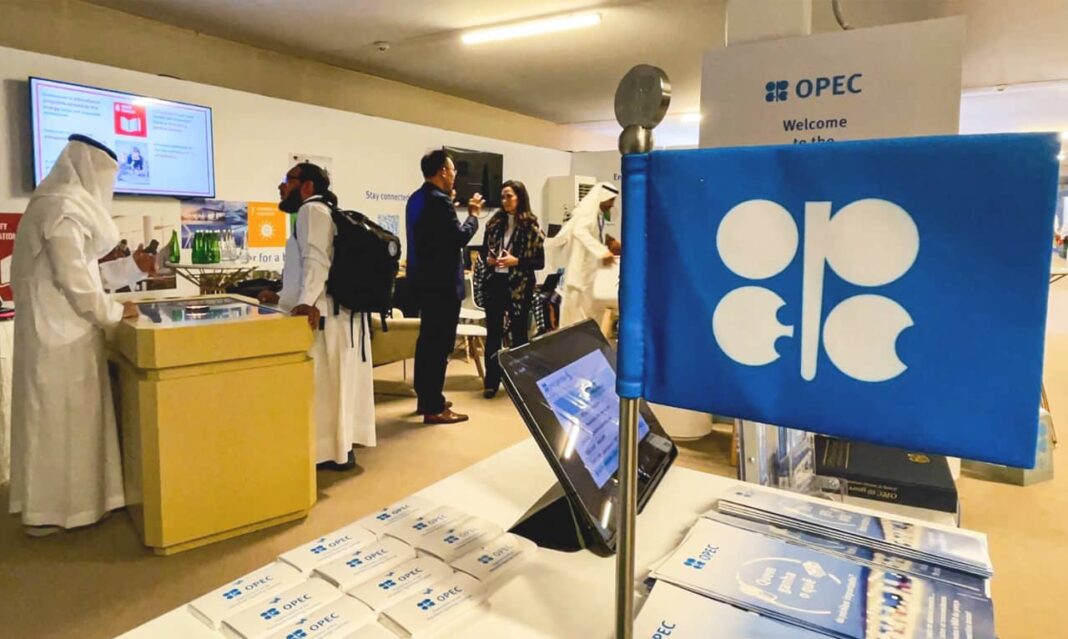
The United Arab Emirates announced its withdrawal from the Organization of the Petroleum Exporting Countries on Tuesday. The move signals that the cartel’s influence over global oil supply and pricing is weakening.
The decision comes amid internal disagreements within OPEC over production quotas. The UAE has long pushed for higher output limits that better reflect its growing production capacity.
Oil prices have shown volatility since the announcement. Analysts suggest the exit could disrupt the group’s ability to enforce collective production cuts.
OPEC’s cohesion has been strained in recent years. The UAE is one of the cartel’s largest producers, and its departure reduces the group’s market share of global crude output.
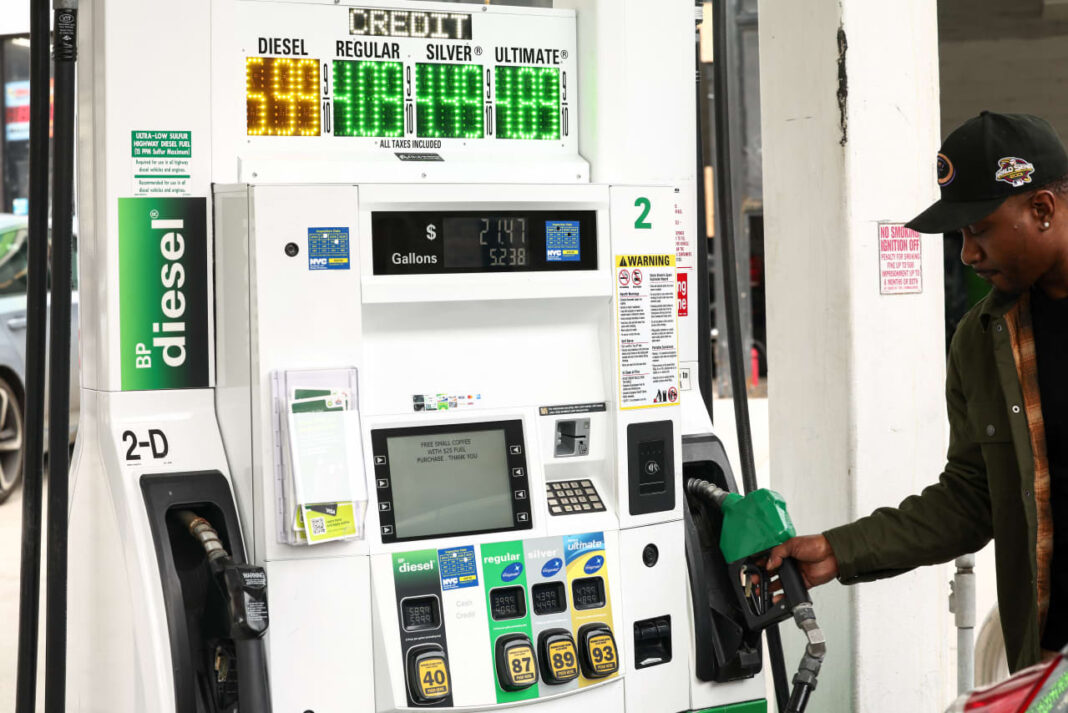
For the global economy, the development carries mixed implications. Lower OPEC influence could lead to more competitive pricing, potentially benefiting consumers and import-dependent nations.
However, the exit may also signal deeper fractures in broader energy alliances, including the OPEC+ coalition with Russia. This uncertainty could inject further instability into an already tight market.
The UAE’s move reflects a broader shift toward national energy strategies. The country aims to increase production capacity to 5 million barrels per day by 2027, pursuing its own economic priorities.
Market watchers will now focus on whether other members follow suit. A wave of departures could fundamentally reshape the dynamics of the global oil industry.