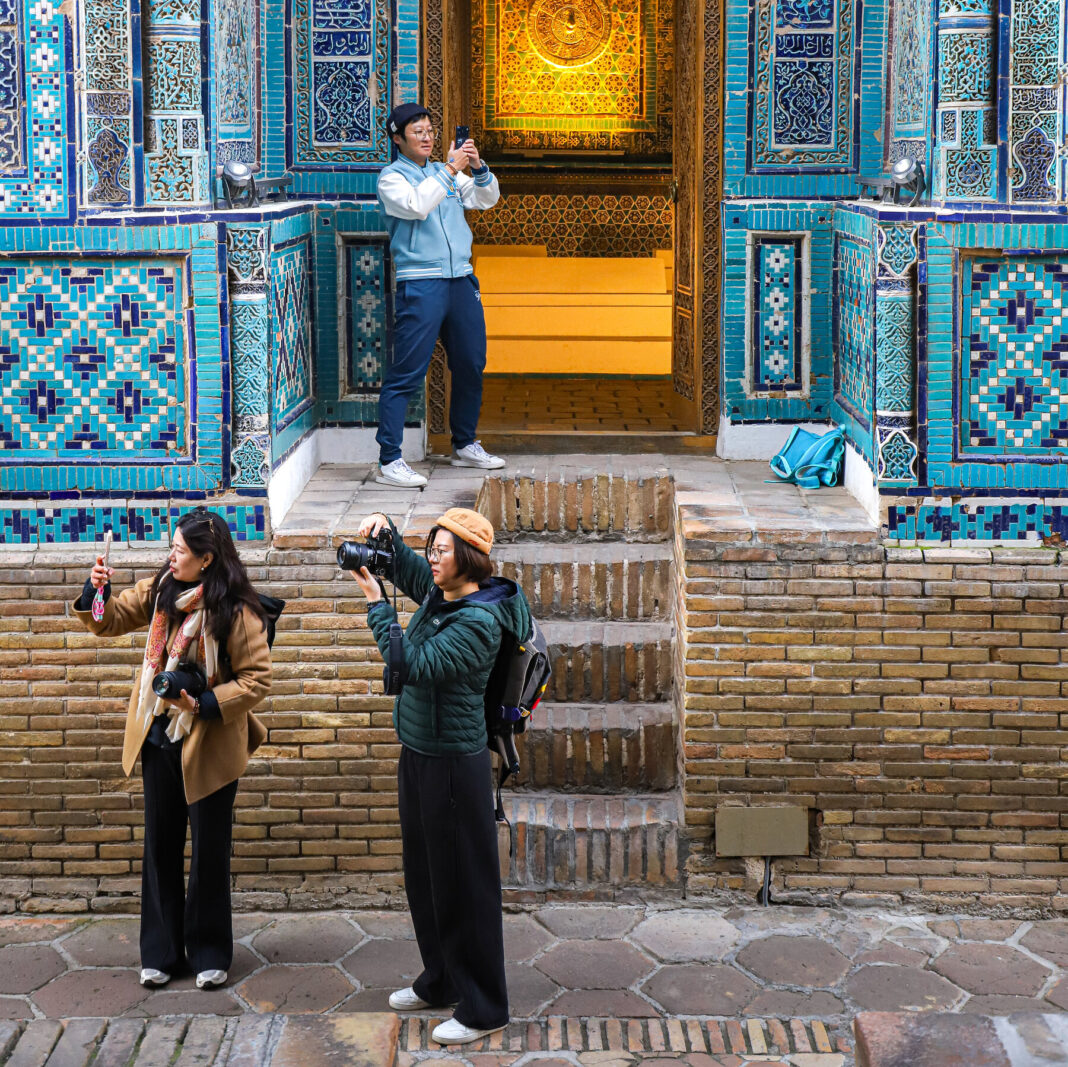
Uzbekistan is drawing a growing number of younger travelers drawn by its architectural beauty, cultural authenticity, and low costs. The Central Asian nation has seen a surge in tourism interest, particularly from budget-conscious adventurers. The question remains whether the 12-hour flight delivers on the promise.
The country’s appeal centers on its historic Silk Road cities, including Samarkand, Bukhara, and Khiva. These destinations offer well-preserved mosques, madrasas, and mausoleums that date back centuries. For many visitors, the sheer scale and intricacy of the tile work is a primary attraction.
Travelers report that prices for accommodation, food, and transportation remain significantly lower than in Europe or North America. A meal at a local restaurant can cost under five dollars, while guesthouses offer rooms for as little as 30 dollars per night. This affordability allows longer stays without straining budgets.
Infrastructure improvements have made travel within Uzbekistan easier in recent years. High-speed trains connect Tashkent, Samarkand, and Bukhara, cutting travel time to a few hours. New airport terminals and visa-free entry for many nationalities have also simplified access.
However, some visitors note that English is not widely spoken outside major tourist sites. Navigating local transport or ordering food can require patience and gesture-based communication. Travelers recommend learning basic phrases in Uzbek or Russian to ease interactions.
The country’s tourism boom has led to increased development around key landmarks. Some historic areas now feature souvenir shops and cafes that cater to foreign tastes. Purists may find the commercial shifts diminish the sense of discovery.
Despite these changes, most travelers agree the journey is worthwhile. The combination of stunning architecture, low costs, and welcoming locals creates a distinct travel experience. Uzbekistan offers a tangible link to ancient history that remains accessible to those willing to make the trip.