Vibrating hair tools are flooding the beauty market. Flatirons, brushes, and scalp massagers now feature built-in pulses. The technology is not for relaxation. Brands claim the vibrations stimulate hair health from root to tip.
The concept is simple. Rapid pulses are designed to boost blood flow in the scalp. Increased circulation may deliver more oxygen and nutrients to hair follicles. Over time, this could support stronger growth and reduce breakage.
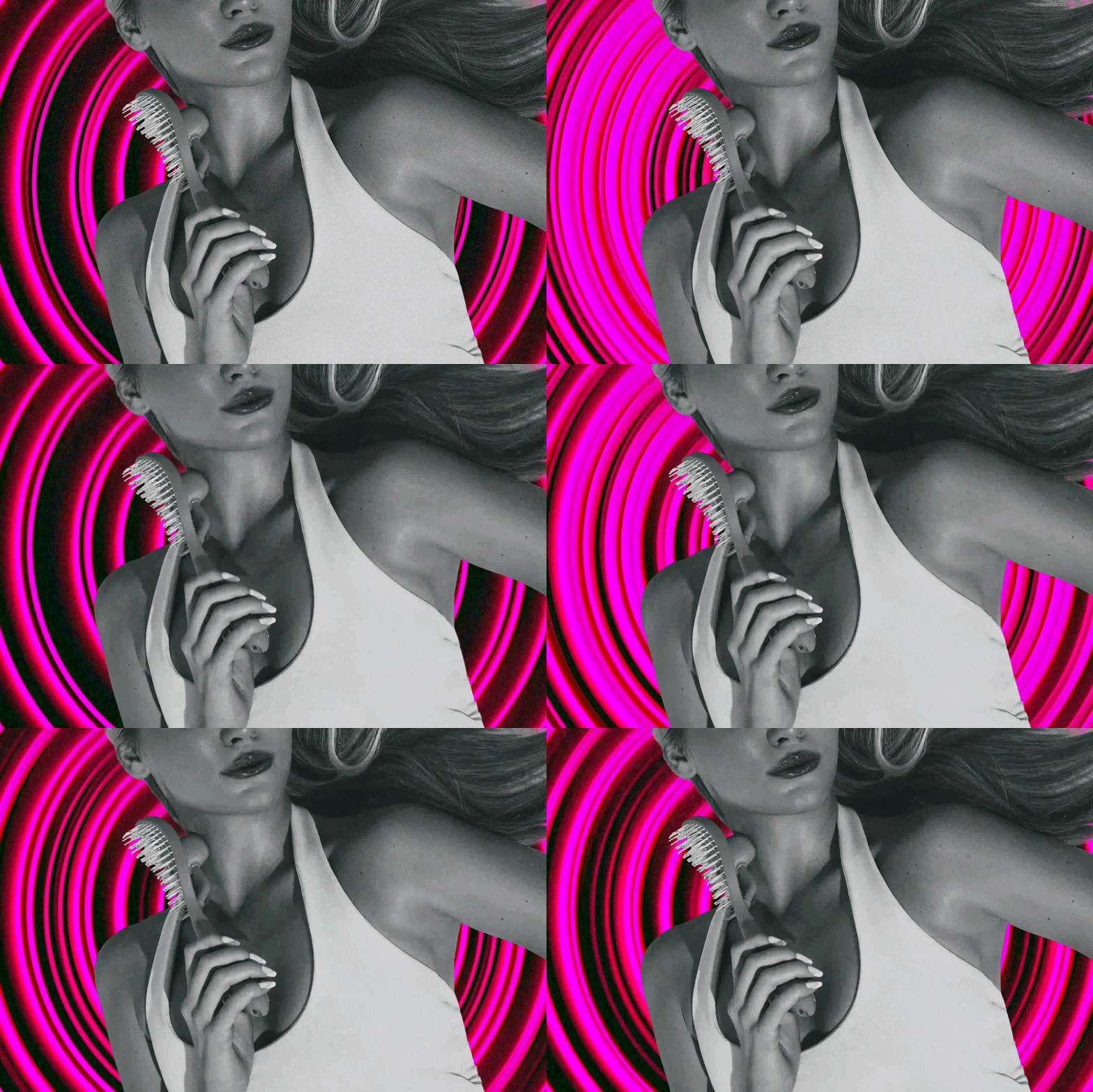
Manufacturers are embedding micro-motors directly into styling devices. A vibrating flatiron claims to distribute heat more evenly while reducing damage. A vibrating brush promises to detangle with less pulling and tension.
For scalp-focused tools, the pulses work as a mechanical exfoliant. They aim to loosen dead skin cells and product buildup. This can help unclog follicles and create a cleaner environment for new hair.
The trend builds on years of cosmetic acupuncture and scalp massage research. Vibration therapy has long been used in medical settings to aid tissue recovery. Now, beauty brands are adapting that science for everyday home use.
Early reviews highlight ease of use but mixed long-term results. Some users report softer hair and less shedding after a few weeks. Others see no immediate difference compared to traditional tools.
Experts say vibration is not a miracle cure. Hair growth depends largely on genetics, hormones, and diet. Touting pulses as a standalone solution misses the bigger picture of overall hair care.
Price points vary widely across the category. Basic vibrating brushes start under fifty dollars. High-end flatirons with pulse technology can exceed three hundred. Buyers should weigh the cost against proven benefits.
Durability also remains a question. Added motors introduce more moving parts that could fail over time. Standard warranties now cover vibration functions, but long-term reliability is still unproven.
Consumers should look for tools with adjustable intensity settings. Low pulses suit sensitive scalps, while stronger settings may work for thicker hair. A one-size-fits-all approach rarely fits real hair needs.
The market shows no signs of slowing down. Major beauty retailers are dedicating shelf space to these devices. Social media influencers are amplifying the buzz with before-and-after demos.
Ultimately, vibrating tools offer a novel addition to a hair care routine. They are easy to incorporate and generally safe for regular use. But they function best as a supplement, not a substitute, for proven hair health practices.
A balanced routine still matters most. Regular trims, gentle washing, and proper nutrition remain the foundation. Vibration technology can support those efforts, yet it will not replace them.
For now, the trend sits somewhere between innovation and gimmick. Time and more clinical data will determine its staying power. Early adopters will decide if the pulses truly make a difference.