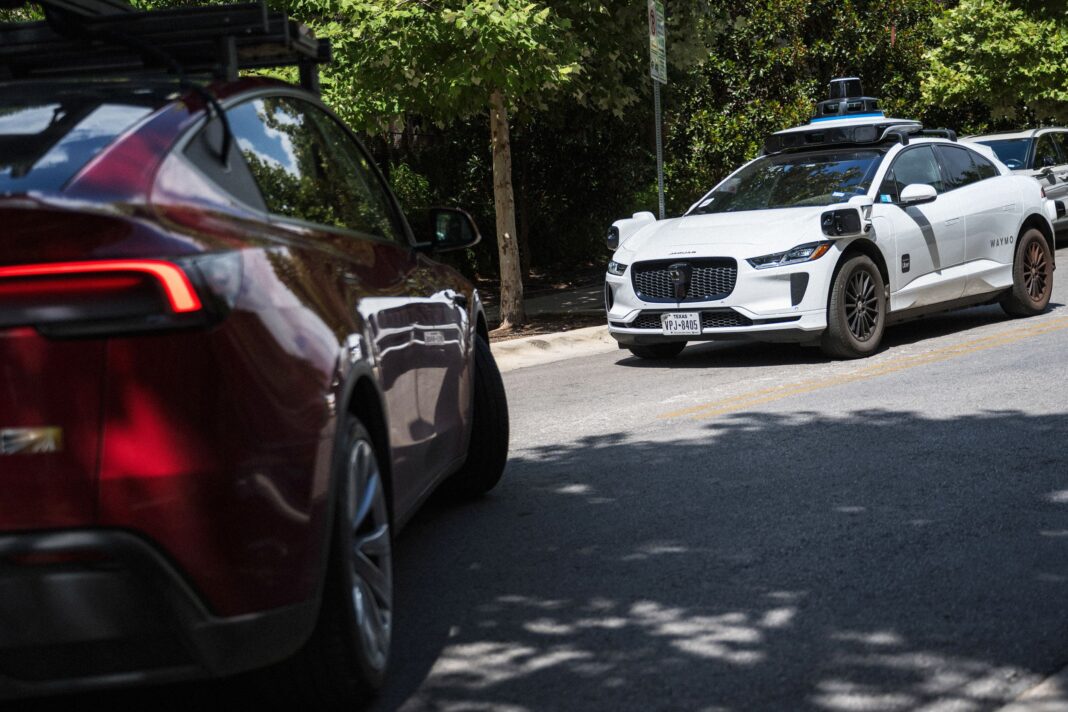
Waymo recalled its autonomous driving software last year after several of its vehicles drove around stopped school buses. The company said the fix resolved the issue. Federal regulators now say the problem persisted.
The National Highway Traffic Safety Administration has requested additional information from Waymo about the recall and its aftermath. The agency wants to determine whether the software update actually corrected the defect. Waymo’s response will help regulators decide if further action is needed.
The original recall followed reports of robotaxis illegally passing stopped school buses. In at least one case, a Waymo vehicle drove past a bus with its stop arm extended. Such maneuvers pose serious risks to children boarding or exiting a bus.
Waymo issued a voluntary recall and deployed a software update to its fleet. The company described the fix as effective and said it addressed the root cause. Federal officials have since found evidence that similar incidents continued after the update.
The NHTSA’s inquiry is part of a broader review of autonomous vehicle safety. Regulators are scrutinizing how self-driving companies identify and report defects. The agency has the authority to require recalls and investigate whether remedies work.
Waymo operates commercial robotaxi services in several cities, including San Francisco and Phoenix. Its vehicles have logged millions of miles without a human driver. School bus interactions represent a small fraction of those miles but carry outsized safety stakes.
The case highlights a key challenge for autonomous vehicle companies: proving that software fixes actually work in real-world conditions. Unlike traditional recalls, over-the-air updates can be deployed quickly but may be harder to verify. Regulators are still developing standards for assessing these fixes.
Waymo has said it is cooperating with the agency’s request. The company maintains that its vehicles are safe and that it takes school bus safety seriously. The outcome of the inquiry could set a precedent for how autonomous vehicle recalls are handled in the future.