The latest Social Security and Medicare trustees reports paint a concerning picture for the future. Both programs face significant financial shortfalls within the next decade. Without changes, benefits may be reduced automatically.
The Old-Age and Survivors Insurance Trust Fund is projected to be depleted by 2033. At that point, incoming tax revenue will only cover about 77% of scheduled benefits. This is a one-year improvement from the previous report.
Medicare’s Hospital Insurance Trust Fund faces a 2036 depletion date. After that, it can pay 89% of projected costs. This is a five-year extension due to higher payroll tax revenue and lower spending.
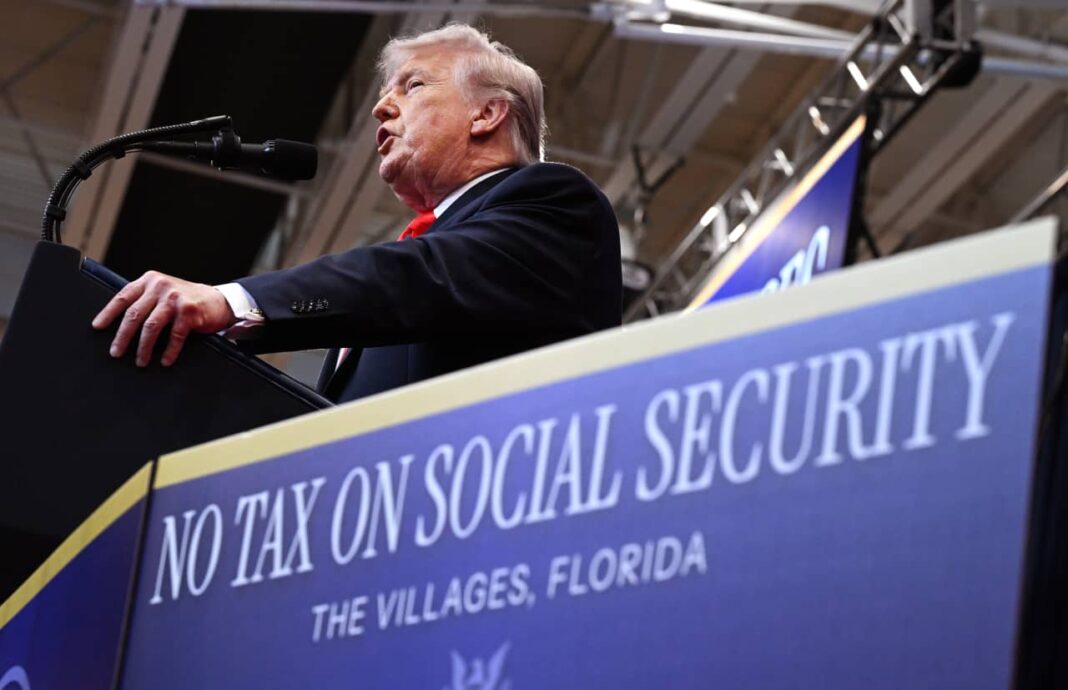
Claims about “DOGE” savings or eliminating taxes on Social Security are misleading. No such official policies exist in the current law. The trustees’ projections assume current tax structures remain unchanged.
Immigration plays a complex role in the programs’ finances. Recent increases in legal immigration have slightly improved the trust funds’ solvency. However, the overall impact remains small compared to broader demographic trends.
Raising the full retirement age or increasing payroll taxes are common reform proposals. Lawmakers have not agreed on any specific changes. Public debate continues over how to address the shortfalls.
Beneficiaries should plan for potential reductions in future payouts. Younger workers may see higher taxes or later retirement ages. The reports serve as a clear warning for immediate action.