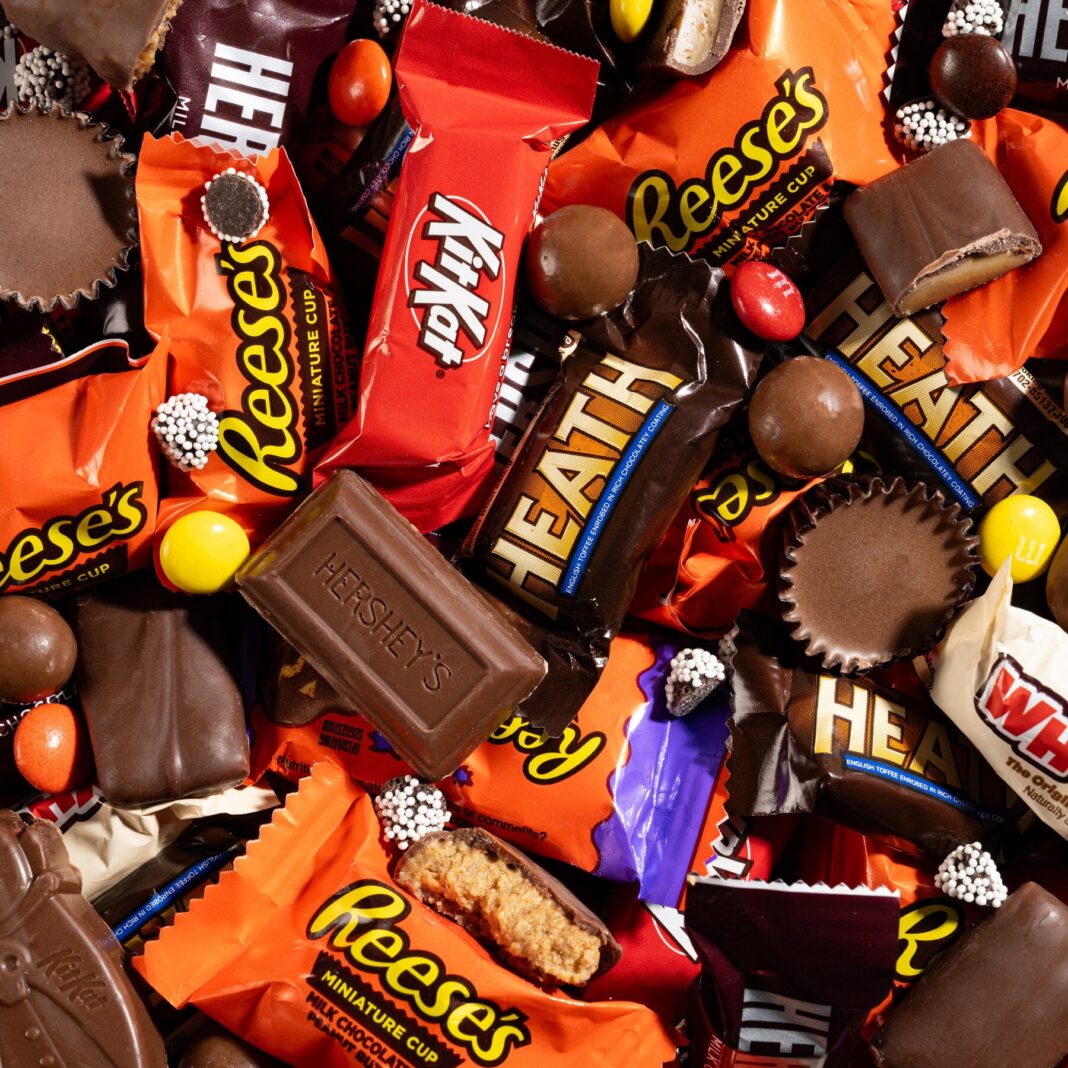
Halloween candy habits have shifted as prices rise and traditions evolve. The New York Times is asking readers to share how their spending and snacking have changed over the years.
The callout invites personal stories about Halloween candy choices, budgets, and family rituals. Selected responses may appear in an upcoming feature from the publication.
Candy prices have climbed steadily in recent years, driven by higher costs for sugar, cocoa, and packaging. Shoppers often notice smaller bags and fewer pieces per package at the same price point.
Many households now set strict candy budgets before Halloween night. Some buy in bulk early, while others wait for last-minute discounts after the holiday.
Trick-or-treating patterns have also changed in many neighborhoods. Fewer children visit each home, leading some residents to buy less candy or choose alternative treats.
Dietary preferences and allergies influence candy selections more than ever. Teal pumpkins signal allergy-safe options, and some families offer small toys instead of edible items.
Online shopping and subscription boxes provide new ways to buy Halloween candy. These options offer convenience but can cost more than traditional store purchases.
The Times wants to hear from readers about these changes. Stories can cover price shocks, creative handouts, or nostalgic traditions that still matter.
Submissions help journalists capture a real picture of how Halloween candy fits into modern life. The feature aims to reflect diverse experiences across regions and generations.