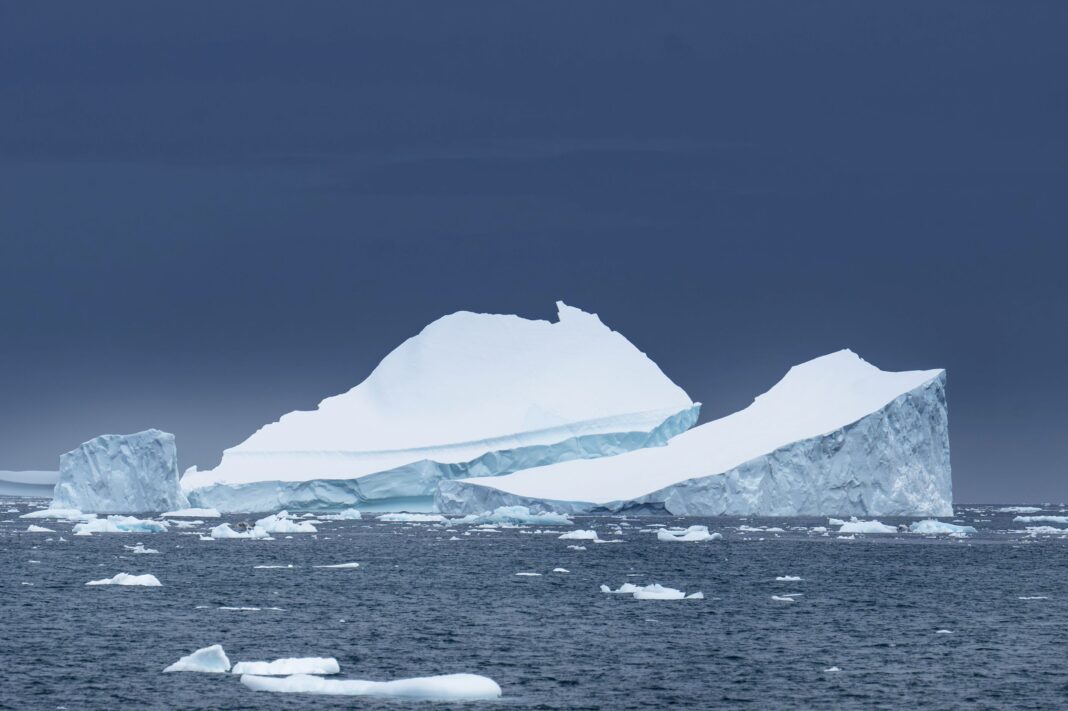
West Antarctica is currently experiencing an alarming lack of ice formation. Air temperatures have soared up to 45 degrees Fahrenheit above normal. This unusual heat is occurring during the dead of Antarctic winter, a time when ice should be accumulating rapidly.
Scientists report that this temperature anomaly is disrupting the natural freezing process. Typically, winter helps replenish the ice sheet, but now that recovery is failing. The prolonged warmth prevents seawater from freezing and forming critical sea ice.
Satellite data and ground measurements confirm the severity of the situation. The missing ice could have long-term consequences for global sea levels. West Antarctica holds enough ice to raise oceans by several feet over centuries.
The current conditions are linked to broader climate patterns. Changes in wind and ocean currents may be driving the warmth. Researchers are still analyzing the exact causes behind the extreme temperature spike.
This development adds to growing concerns about Antarctic stability. Previous studies highlighted rapid glacier retreat in the region. The new findings suggest the ice loss may accelerate even faster than predicted.
Implications extend beyond Antarctica’s shores. Less sea ice means reduced reflection of sunlight, worsening global warming. Coastal communities worldwide face increased risks from rising seas.
Monitoring efforts must intensify to understand these rapid changes. Continuous data collection will improve climate model predictions. Urgent action remains necessary to address the root drivers of the warming.