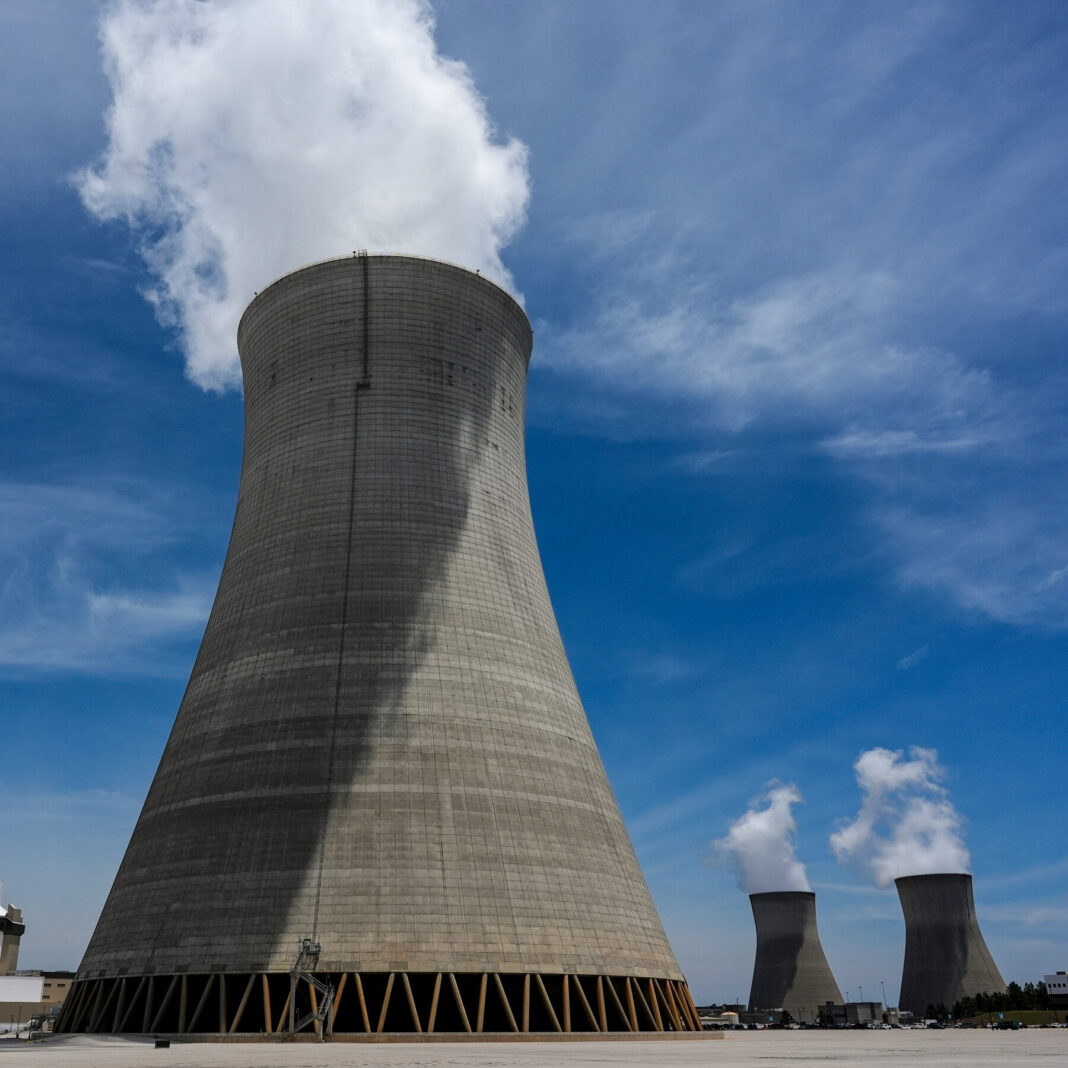
The company, which filed for bankruptcy protection in 2017, now stands to benefit from rising global support for nuclear power and a recent deal between President Trump and Saudi Arabia.
Westinghouse is positioned as a key player in a broader nuclear energy revival. Growing demand for carbon-free electricity has renewed interest in atomic power sources.
The Trump administration’s agreement with Saudi Arabia includes plans for civilian nuclear cooperation. This opens the door for U.S. companies to build reactors in the kingdom.
Westinghouse’s AP1000 reactor design is expected to be a central offering in these negotiations. The technology has already been deployed in several international projects.
Industry analysts point to the company’s strengthened balance sheet since emerging from bankruptcy. It has also secured new contracts in Eastern Europe and other markets.
Challenges remain, including high upfront costs for new reactor construction. Regulatory hurdles and competition from other energy sources are also factors.
Proponents argue nuclear power provides reliable, low-emission energy that complements renewable sources like wind and solar. This positions Westinghouse for sustained growth.
The company’s revival reflects shifting attitudes toward nuclear energy. Public opinion and government policy have become more favorable in recent years.