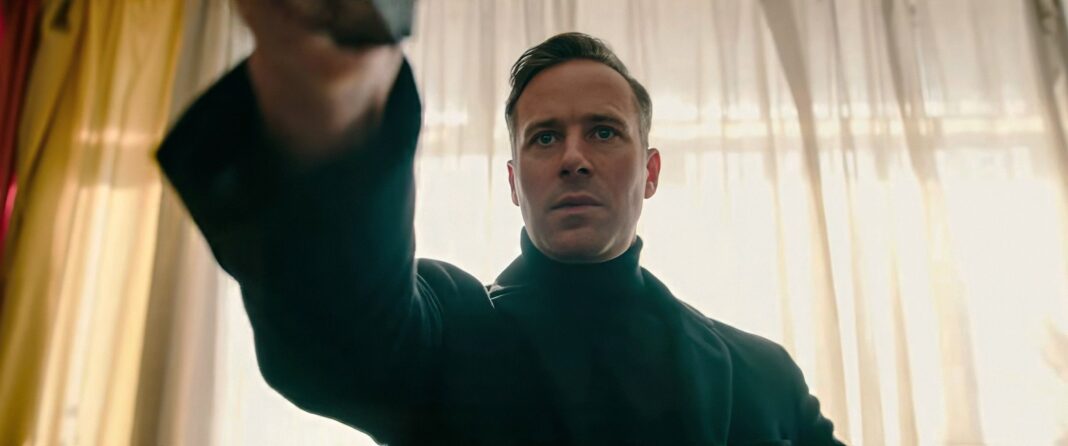
Directed by a filmmaker with a background in right-wing media, the film follows a vigilante who takes the law into his own hands. It has been promoted as a response to rising crime and social unrest.
Extremist groups have embraced the film’s themes of lawlessness and retribution. One far-right commentator called it the “feel-good movie of white-boy summer” in online forums.
The movie has been praised by white supremacists as a tool to recruit moderates. They see the storyline as a gateway to radicalizing audiences who may not yet hold extreme views.
Armie Hammer stars in the lead role, drawing attention amid his own controversies. His involvement has further energized far-right circles online.
Social media platforms have seen a surge in posts promoting the film. These posts often frame the movie as a celebration of traditional masculinity and self-reliance.
Critics have expressed concern over the film’s potential influence. They warn that its message could normalize violent extremism among mainstream viewers.
The film’s release has sparked debate about the intersection of entertainment and ideology. Some argue it intentionally blurs the line between fiction and propaganda.
Marketing strategies have capitalized on this polarized reception. The film’s promotion highlights its status as a cultural flashpoint to attract curious viewers.
Despite the backlash, the film continues to draw audiences. Its success suggests a growing appetite for politically charged content in the current media landscape.
Authorities are monitoring discussions around the film for potential threats. Law enforcement remains alert to any real-world actions inspired by its narrative.