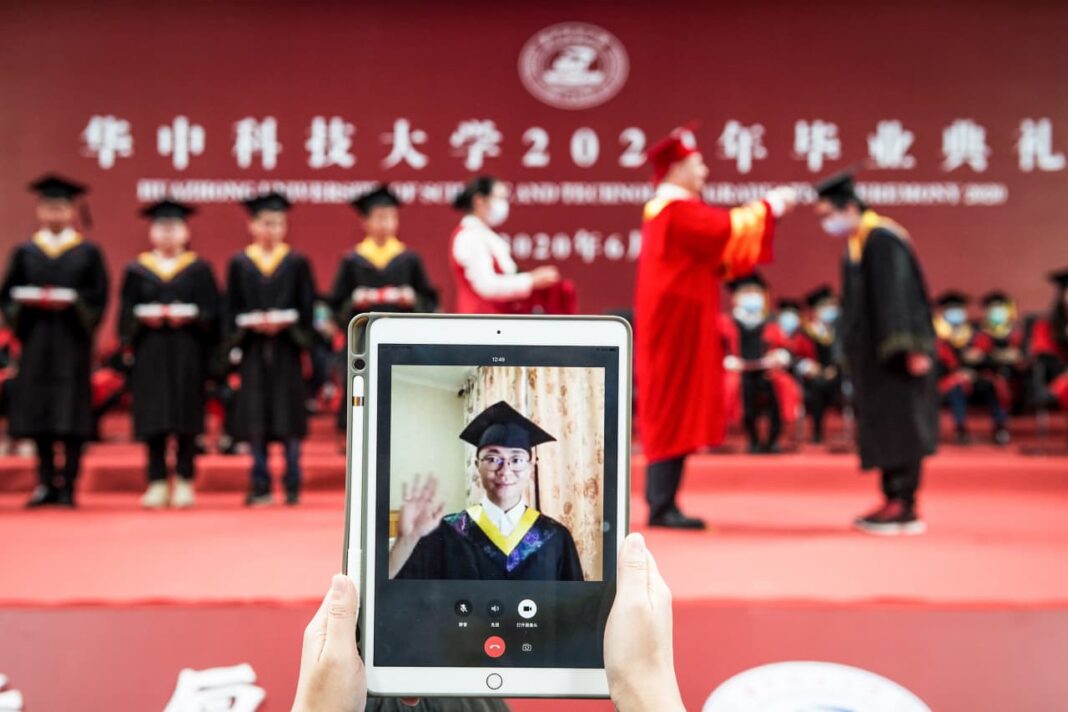
The United States is falling behind China in the artificial intelligence productivity race, according to a recent analysis. The primary driver is a stark disparity in the number of STEM graduates. China produces approximately 3.5 million STEM graduates annually, far outpacing the U.S. output.
This talent gap is exacerbated by structural mistakes within America’s Big Tech companies. These errors are not only costing stock investors but also fueling a massive domestic talent crisis. The industry’s focus on immediate profits over long-term human capital development is a key factor.
U.S. companies often prioritize hiring experienced specialists over investing in entry-level training. This approach leaves many potential American engineers without the necessary skills or opportunities. Meanwhile, China’s educational system systematically produces a vast, skilled workforce ready for AI and engineering roles.
The result is a significant productivity advantage for China. A larger pool of engineers allows for faster iteration and deployment of AI technologies. U.S. firms struggle to match this scale due to a constrained and expensive domestic labor market.
Big Tech’s reluctance to address this structural issue is a strategic miscalculation. Short-sighted hiring practices and a lack of investment in domestic education pipelines have created a self-inflicted shortage. Investors are now bearing the cost of this talent bottleneck.
The crisis extends beyond just numbers. It involves a mismatch in skills and a cultural preference for experienced hires over developing new talent. This limits innovation and slows the pace of AI advancement in the U.S.
To compete, American companies must reconsider their workforce strategies. Investing in training programs and partnering with educational institutions could help close the gap. Without such changes, the productivity war may tilt further toward China.