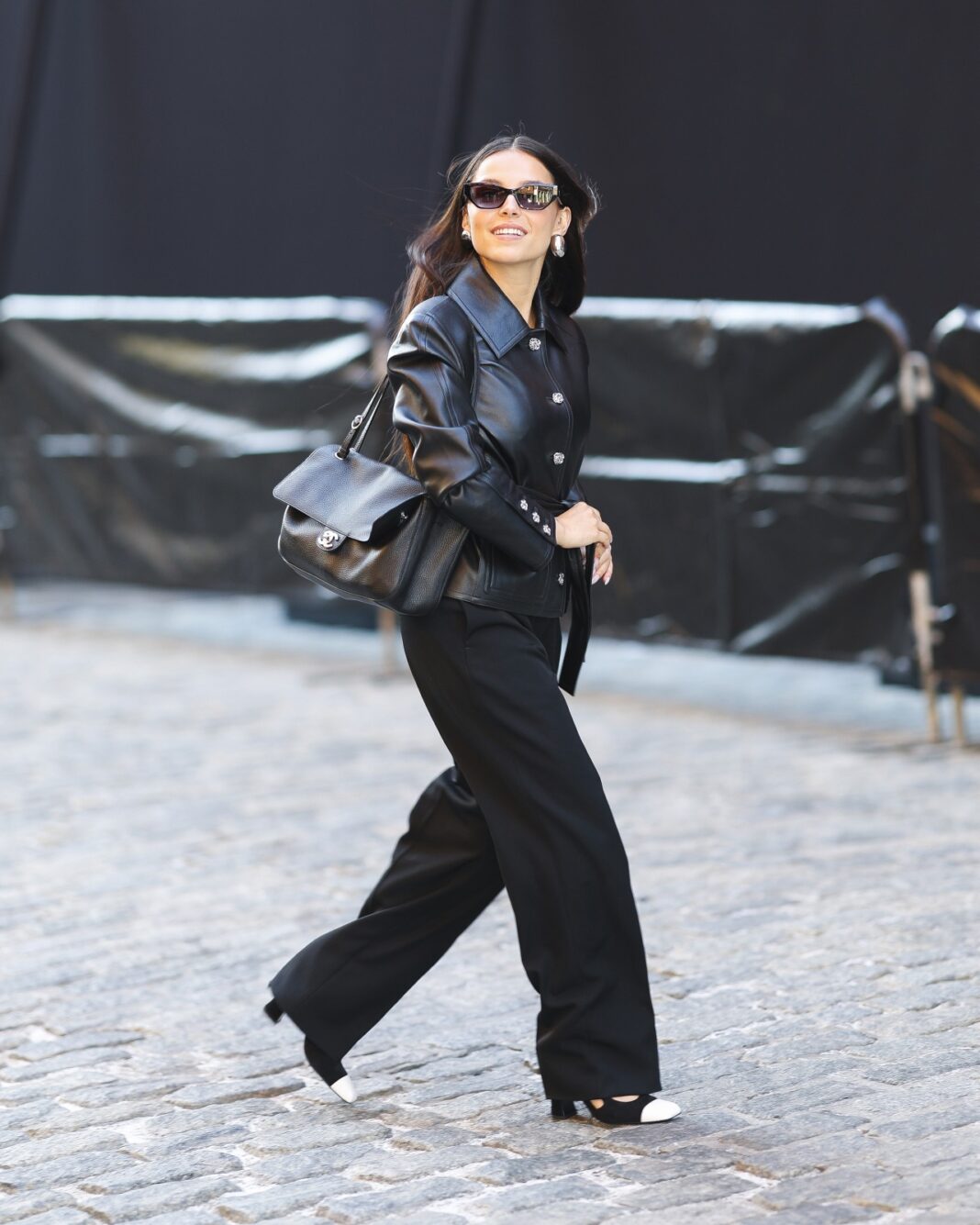
The luxury handbag market is facing an unexpected downturn. Sales have dropped by $8 billion, signaling a significant shift in consumer attitudes. Designer bags, once considered essential status symbols, are losing their appeal.
Younger shoppers are driving this change. Many now prioritize experiences over material goods. Sustainability concerns also play a role, as buyers question the environmental impact of leather production and fast fashion cycles.
Resale platforms have altered the landscape. Pre-owned luxury bags are widely available at lower prices, reducing demand for new items. This secondary market has made exclusivity harder for brands to maintain.
Economic pressures are another factor. Inflation and rising costs have made discretionary spending more cautious. Consumers are delaying or downsizing high-ticket purchases like handbags.
Brands are responding with new strategies. Some are emphasizing heritage and craftsmanship to justify premium pricing. Others are expanding into smaller accessories or ready-to-wear lines to diversify revenue streams.
The shift does not signal a collapse for luxury houses. It reflects a broader evolution in how value is defined. Status now comes from unique, lasting purchases rather than logo-heavy items.
The future of the luxury handbag remains uncertain. Brands that adapt to changing priorities may thrive. Those that cling to old formulas risk further declines in a transforming market.