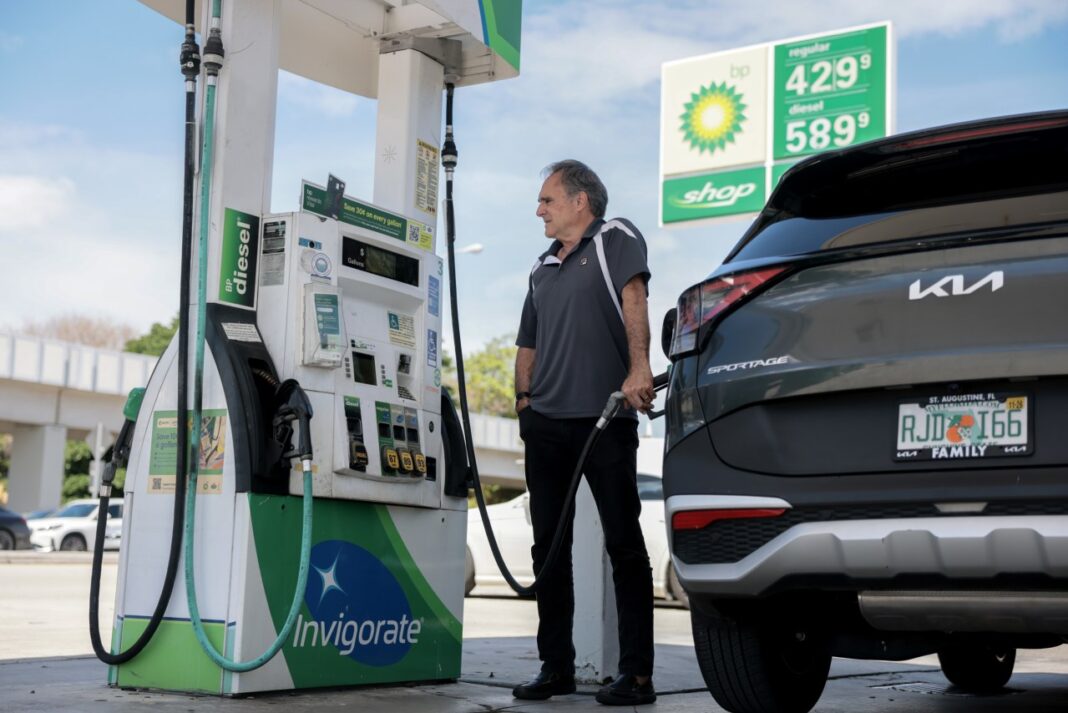
Gasoline prices often climb quickly but descend slowly. This phenomenon, known as “rockets and feathers,” reflects a persistent market asymmetry.
Retail prices are closely tied to wholesale gasoline futures. These futures react instantly to global crude oil price spikes caused by supply disruptions.
When crude costs jump, station owners face higher costs to replenish their tanks. They must raise pump prices rapidly to avoid losing money on each gallon sold.
However, the reverse is not equally true. When crude oil prices fall, station operators are less pressured to cut prices immediately.
They can maintain higher margins for a period. Competition eventually forces prices down, but the process is typically more gradual.
Consumer psychology also plays a role. Drivers notice sharp increases immediately but are less sensitive to slow, incremental decreases over time.
This pricing stickiness means relief at the pump often lags behind drops in the global oil market. The current climate continues this long-standing trend.