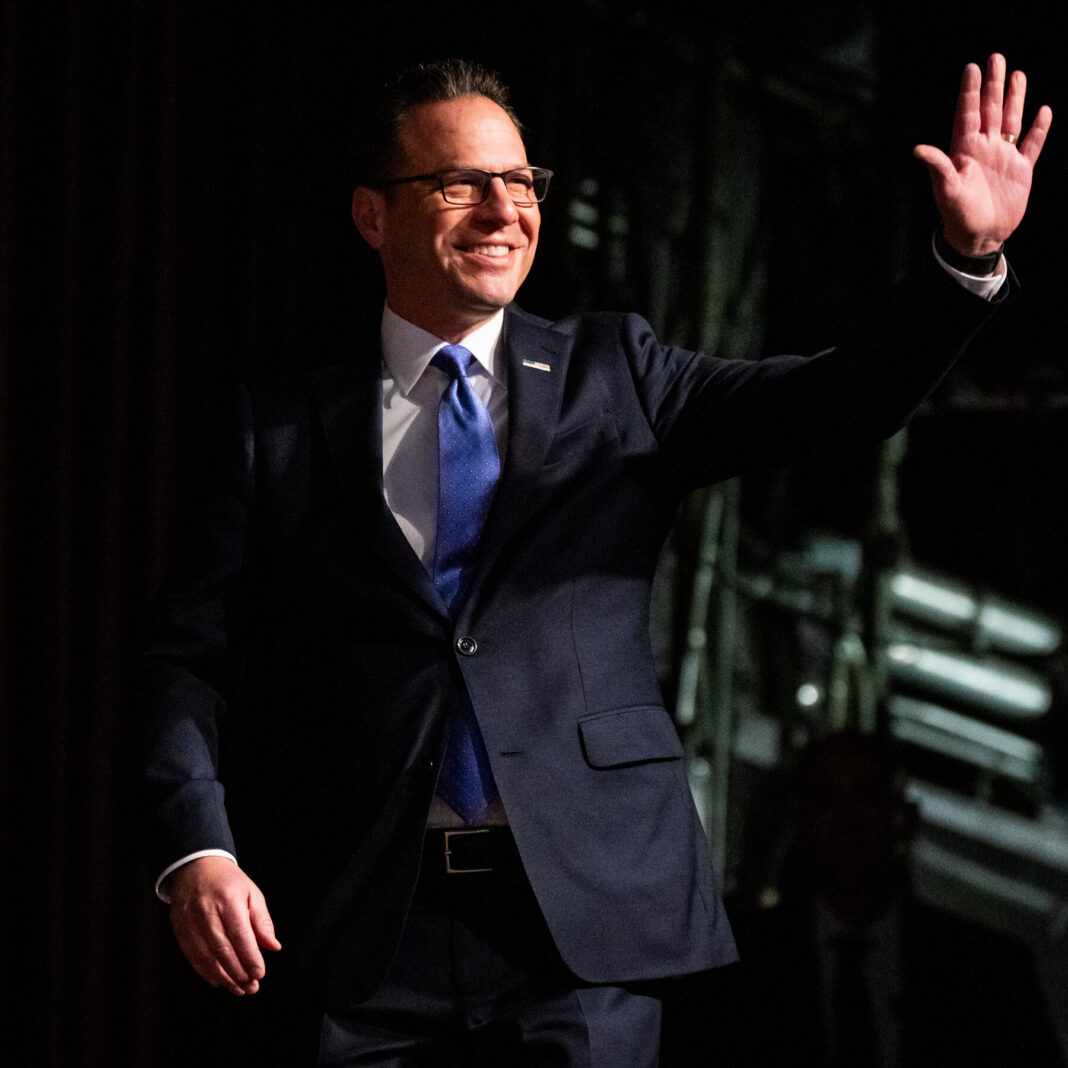
Governor Josh Shapiro of Pennsylvania is avoiding the early moves typical of potential 2028 presidential candidates. While other possible hopefuls are building national profiles, Shapiro remains focused entirely on state-level issues. His approach marks a sharp contrast in the emerging Democratic field.
Shapiro has declined opportunities to travel to early primary states. He has not formed national political action committees or hired out-of-state strategists. Instead, his public schedule is dominated by Pennsylvania-specific events, including infrastructure projects and education funding.
This strategy carries deliberate political logic. Shapiro’s team believes his best path to national prominence runs through delivering tangible results for Pennsylvania voters. By avoiding the appearance of a premature White House campaign, he aims to appear focused and effective.
Other potential 2028 contenders are taking a different route. Several have visited Iowa and New Hampshire, established fundraising networks, and positioned themselves on national issues like abortion rights and climate policy. Shapiro’s in-state focus leaves him less visible in those early jockeying conversations.
Recent polling suggests this approach may have advantages. Shapiro enjoys high approval ratings within Pennsylvania, particularly among moderate and independent voters. National Democrats view his reelection in a key battleground state as a critical asset for the party.
The governor’s team argues that governing well now is the best political preparation. They point to his successful navigation of a divided legislature and his handling of economic development. Shapiro himself has said little about 2028 beyond avoiding direct questions about his intentions.
Shapiro’s critics note that playing hard-to-get carries risks. A late entry into the national conversation could cede early organizing and donor advantages to more aggressive rivals. The crowded Democratic field leaves little room for candidates who wait too long.
For now, Shapiro is sticking to his Pennsylvania-first plan. His schedule includes ribbon-cuttings, budget negotiations, and local town halls. Whether this patience pays off in 2028 will depend on whether voters reward substance over speed.