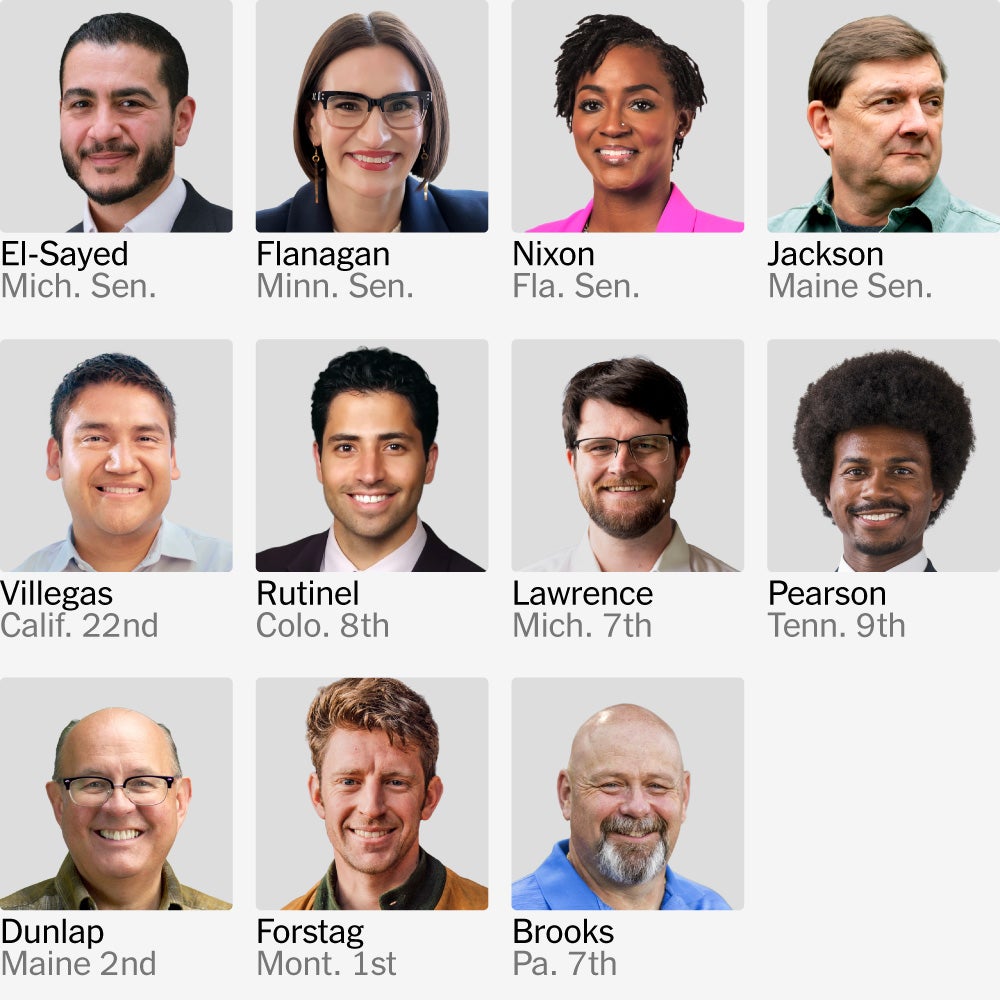
The progressive movement’s populist message faces a critical test this Election Day. Candidates argue their pitch can win over moderates and conservatives, not just liberal voters. A set of competitive midterm races will show whether that strategy works.
Eleven key contests are drawing attention for their potential to reshape the left’s political future. Each race offers a different test of the movement’s appeal beyond its base. The outcomes could define how progressives build coalitions in swing districts.
The left’s theory holds that economic populism can transcend traditional party lines. Candidates are betting that messages on wages, housing, and health care resonate across the spectrum. This approach marks a shift from identity-focused appeals that critics say limit reach.
Competitive races on Election Day will serve as live experiments for that theory. Some candidates have embraced the populist label while avoiding more divisive positions. Others are testing whether unabashed progressive platforms can succeed in moderate territory.
Observers are watching whether voters in conservative-leaning areas respond to the economic message. Early signals suggest the strategy performs differently depending on local conditions. The results will offer clues about where the approach travels well and where it falters.
The stakes extend beyond individual victories or defeats. A strong showing could encourage more progressive candidates to run in contested districts. A poor performance might push the movement back toward safer seats and narrower messaging.
Election Day outcomes will provide the clearest evidence yet on the populist theory’s viability. The eleven races offer a range of tests across diverse electorates. Their results will shape how the left campaigns in future cycles.