A wave of artificial intelligence-generated political advertising has hit the 2026 midterm elections, with spending reaching $137 million. The total marks a sharp rise in synthetic campaign content across the country. The figure comes from a New York Times analysis of ad tracking data.
Republican campaigns have used A.I.-generated content more often than Democratic ones. The gap appears across multiple races and media markets. Spending records show the disparity has widened as election day approaches.
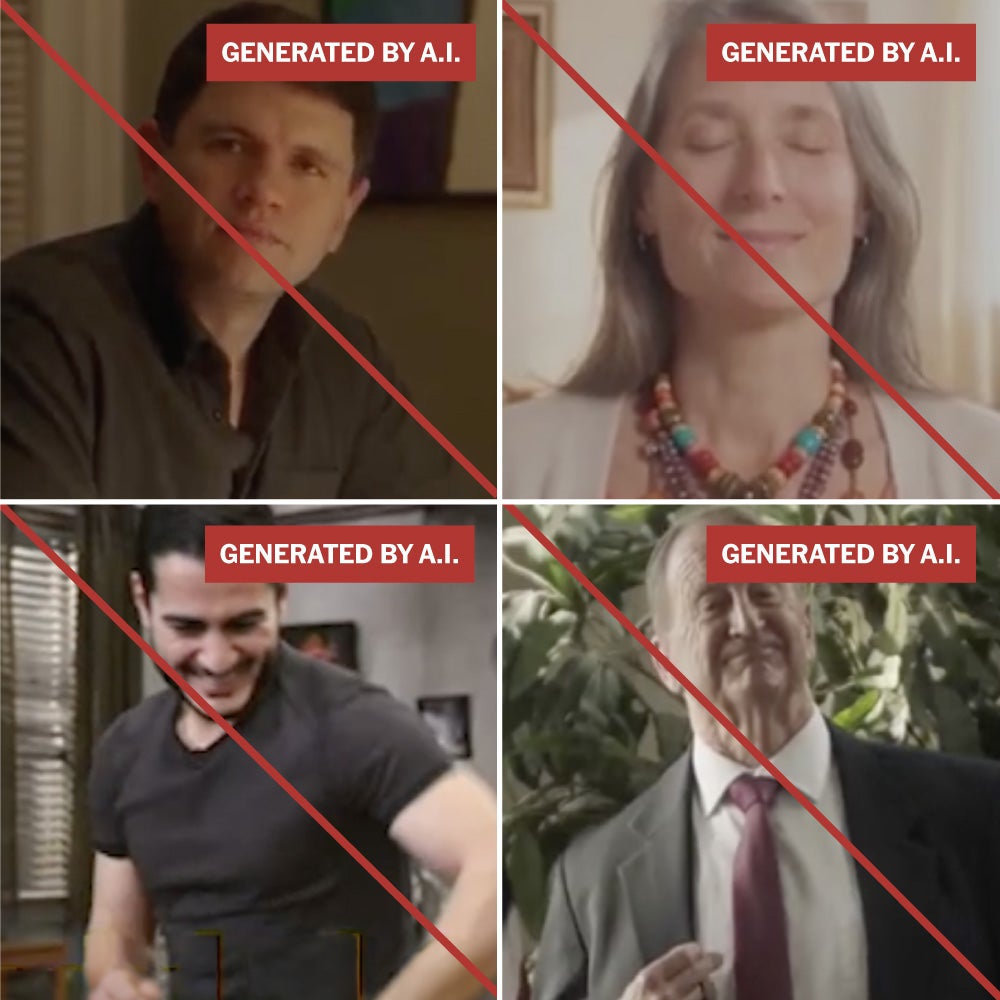
The content ranges from subtle enhancements to convincing deepfakes. Some ads use A.I. to sharpen images or adjust audio. Others feature fabricated scenes involving candidates who never participated in them.
Deepfakes have raised the most concern among election officials. These videos can place candidates in fictional settings or put words in their mouths. Many are difficult for average viewers to identify as fake.
Campaign finance records link the spending to major political action committees. The groups operate under existing disclosure rules. Those rules do not specifically address synthetic media.
Several states have moved to regulate A.I. political content this year. Laws vary widely in scope and enforcement. Federal legislation remains stalled in Congress.
Tech companies have introduced labeling policies for synthetic political ads. Enforcement has been inconsistent across platforms. Researchers say many unlabeled ads still reach voters.
Watchdog groups warn that A.I. tools are becoming cheaper and easier to use. They expect the volume of synthetic ads to grow before November. Voters may struggle to separate real campaign messaging from fabricated content.