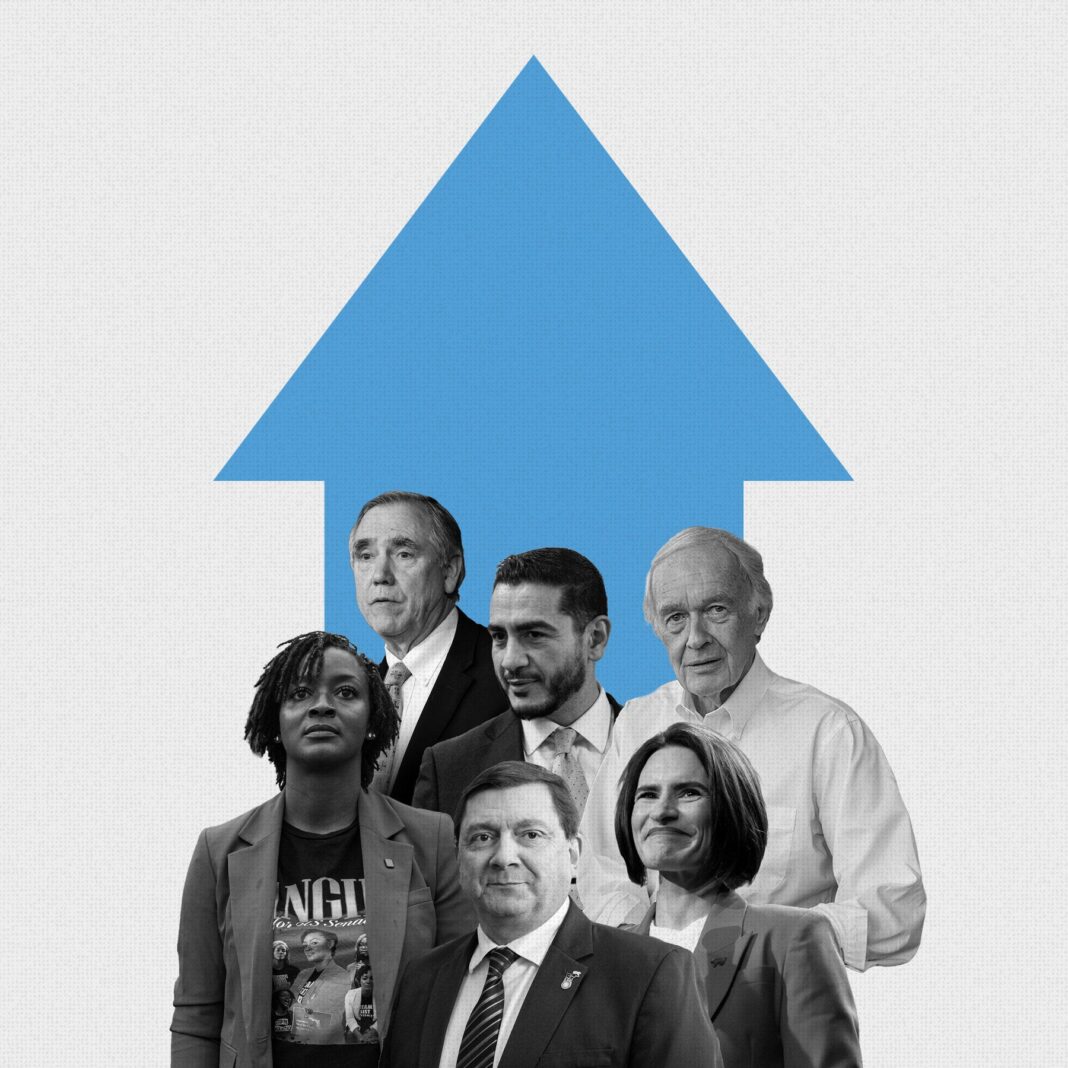
Democrats gained ground in the 2026 midterms, but progressive candidates did not share equally in the party’s gains. Moderates posted stronger results in several key races, leaving progressives behind.
The gap between the two wings narrowed compared with prior cycles. Still, progressive underperformance was large enough to keep the “electability” debate alive. Party strategists say the pattern is hard to ignore.
Moderate Democrats ran ahead of progressives in swing districts. Those districts often decided control of the House. Candidates with centrist profiles drew more support from independent voters.
Progressive candidates performed better in safe seats. They struggled in areas where general elections are decided by margins. Turnout and crossover support fell short in those contests.
The results do not settle the debate. Both sides can point to wins and losses in the same election. Analysts caution against reading too much into a single cycle.
Funding and messaging shaped the outcomes. Moderate candidates often outraised progressives and ran ads focused on local issues. Progressive campaigns leaned on national themes that resonated less broadly.
The party now faces a familiar question. Should it invest in candidates who match their districts, or prioritize ideological consistency? The 2026 results suggest district fit still matters.
The debate will continue as both factions prepare for the next cycle. Neither side has a clear mandate from voters. The party’s path forward remains contested.