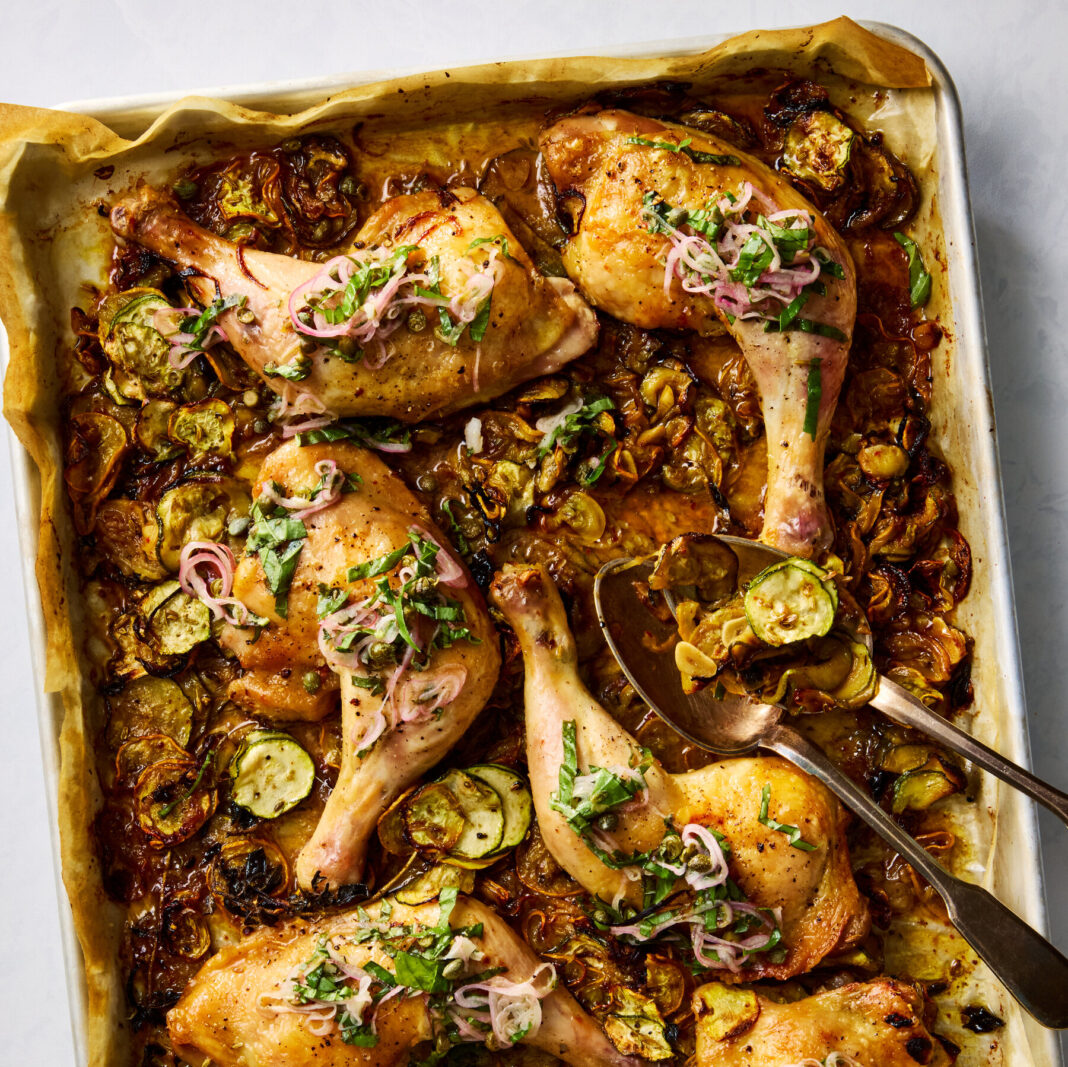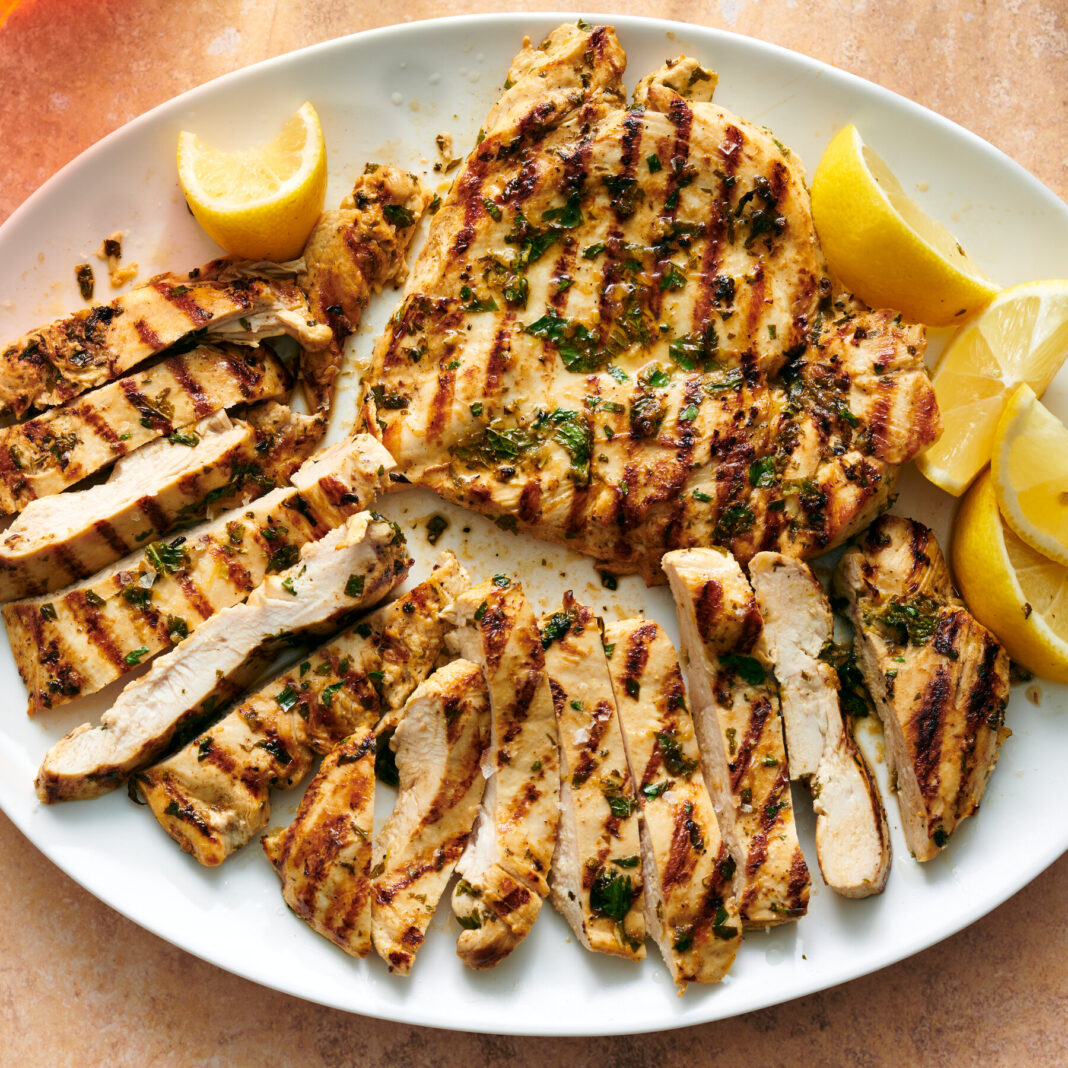
Dry, stringy chicken breasts have long plagued home cooks. That problem can now be solved with four proven techniques. These methods transform lean poultry into moist, flavorful meals.
Pounding chicken to an even thickness prevents uneven cooking. Thinner portions cook faster and more uniformly. A uniform thickness of about half an inch works best.
Salting the meat ahead of time makes a significant difference. A simple brine or dry brine helps the chicken retain moisture. This step requires at least 30 minutes of resting time.
High heat on the grill creates a flavorful crust. The goal is to sear the outside while keeping the inside tender. Cooking times should be carefully monitored to avoid overcooking.
Letting the chicken rest after grilling is essential. Resting allows juices to redistribute throughout the meat. Cutting into the chicken too soon causes those juices to escape.
Using a meat thermometer ensures perfect doneness every time. The target internal temperature is 165 degrees Fahrenheit. Removing the chicken from heat just before reaching this temperature is recommended.
These four strategies work together for consistently juicy results. Each technique addresses a common cause of dry chicken. Home cooks can adapt these methods to their own grilling setups.
Mastering these basics adds a reliable protein option to any summer menu. The result is a satisfying main course without the usual dryness. Cooks can now serve grilled chicken with confidence.