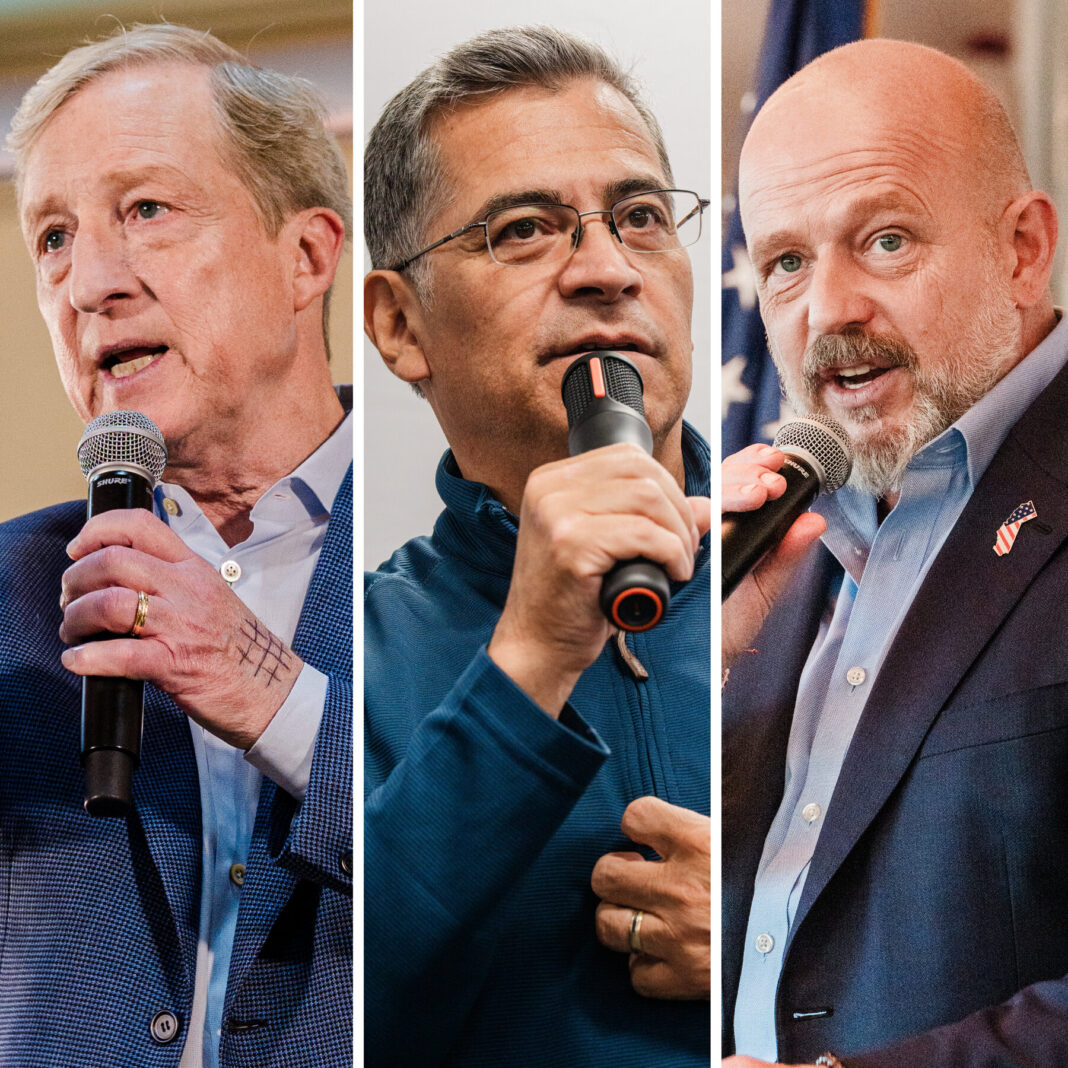
Five takeaways emerged from California’s primary election on Tuesday. The race for governor lacked a clear front-runner among Democrats. As a result, party voters focused on ensuring a Democratic candidate made it to the general election.
The top-two primary system created strategic voting. Many Democrats cast ballots not for their favorite candidate, but for the one they believed could finish second. This tactical move aimed to prevent two Republicans from advancing.
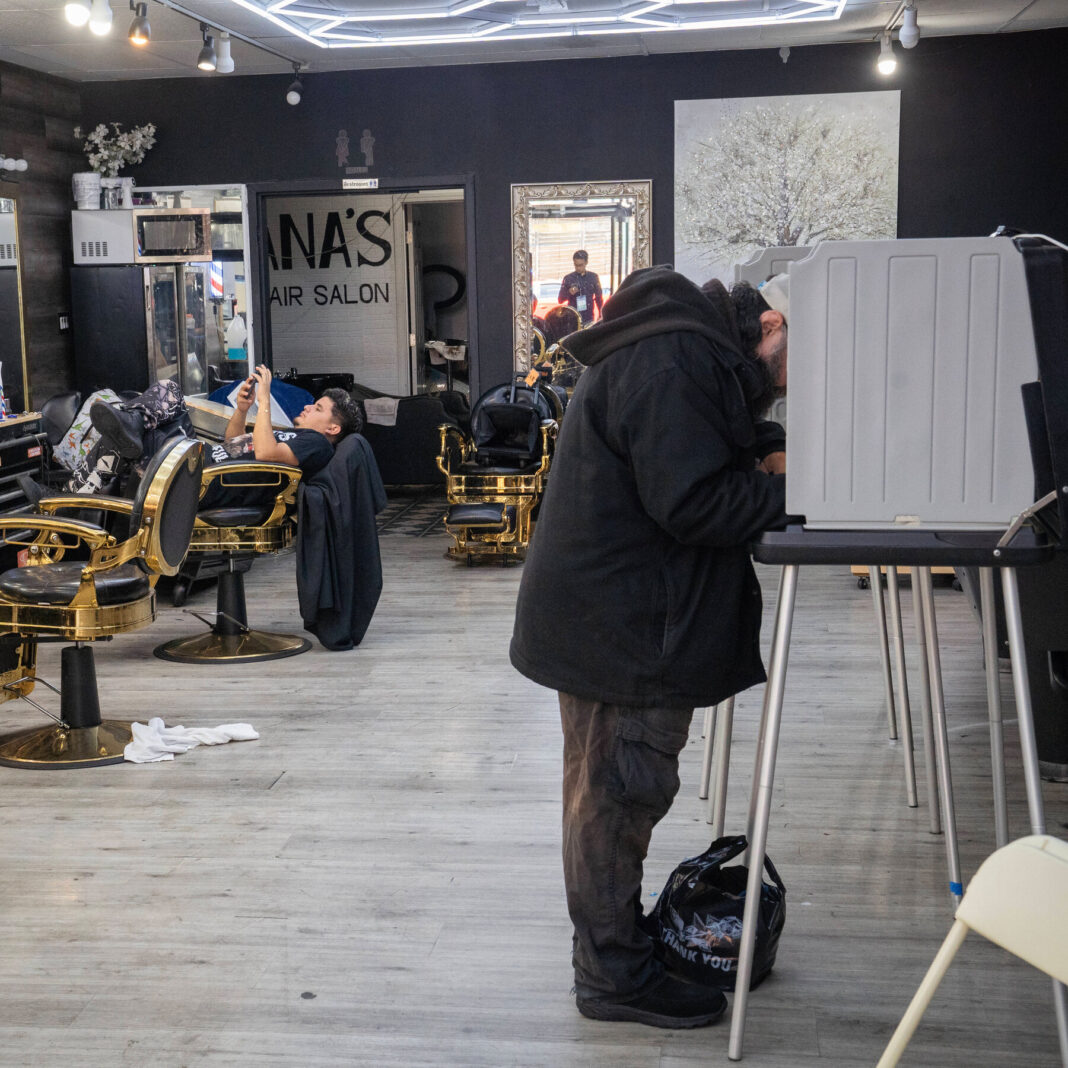
Voter turnout appeared lower than in recent primaries. Analysts attributed the drop to a lack of high-profile ballot measures or competitive local races. Fewer voters engaged with the process compared to previous years.
Independent voters played a significant role in the outcome. They split their support across multiple candidates in several key contests. This fragmented vote shaped the final results in unexpected ways.
Incumbents in safe districts faced little challenge. Most won their primaries easily, with minimal campaign spending. Their general election races remain predictable.
Several down-ballot races saw competitive finishes. These contests will now shift focus to November. Campaign strategies must adapt to new matchups.
The results signal a cautious electorate. Voters prioritized party unity over individual candidate appeal. This dynamic sets the stage for a contentious general election cycle.