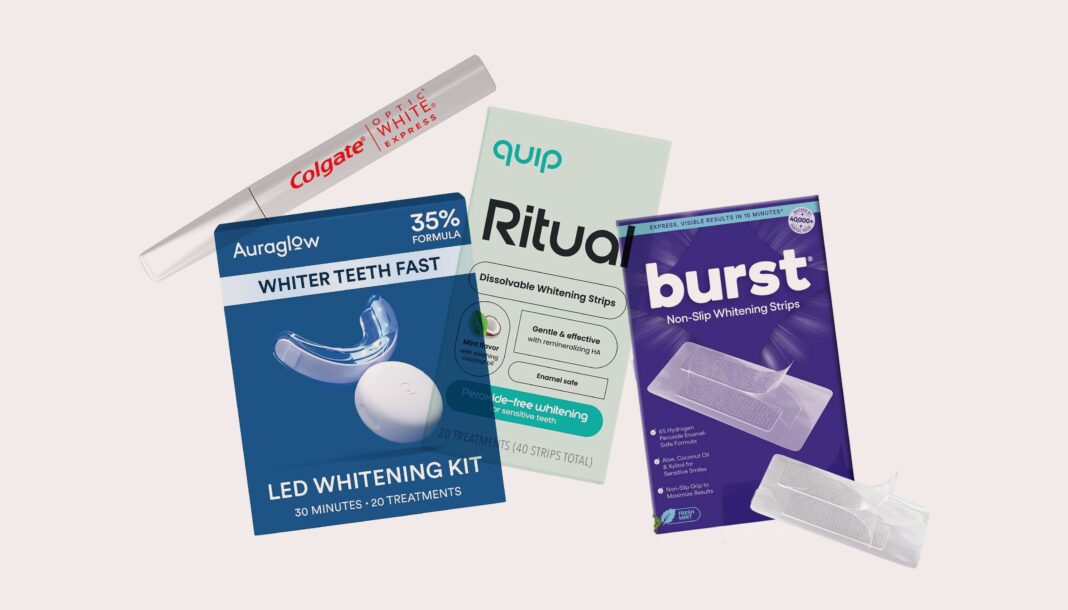
At-home teeth-whitening kits have become a popular alternative to professional dental treatments. These products are designed to address stubborn stains and discoloration that regular toothpaste cannot remove. The market offers a wide range of options, from strips to LED lights, each with a different approach.
Most kits rely on peroxide-based gels to break down surface stains. The concentration of the active ingredient often determines how quickly results appear. Lower-strength formulas are typically safer for sensitive teeth, while higher concentrations may deliver faster outcomes but carry more risk of irritation.
LED light devices have gained attention in recent years. These tools claim to accelerate the whitening process by activating the gel’s ingredients. Clinical evidence on the added benefit of lights is mixed, yet many users report visible improvements when combining the technology with a quality bleaching agent.
Custom-fit trays are another common feature among premium kits. Unlike one-size-fits-all strips, these molds hold the gel firmly against the teeth, reducing gum exposure. Proper fit can minimize discomfort and ensure more even coverage across the enamel.
Sensitive teeth should guide the choice of product. Several brands now include desensitizing agents, such as potassium nitrate, to counteract potential pain. Experts recommend starting with shorter application times to test tolerance before committing to a full treatment course.
Results vary based on the severity of staining and consistency of use. Most kits require daily application for one to two weeks to achieve noticeable changes. Whitening effects are not permanent; touch-up sessions are often needed every few months to maintain the shade.
Dental professionals advise caution with overuse. Excessive whitening can weaken enamel and increase tooth sensitivity. Consumers should follow package instructions strictly and consult a dentist if they have existing oral health concerns, such as cavities or gum disease.
The cost of these kits ranges widely, from budget-friendly strips to high-end systems with specialized hardware. Price does not always correlate with effectiveness, so reviewing ingredient lists and user feedback can offer better insight than the upfront price tag.
Choosing the right product ultimately depends on individual needs. Factors like stain type, sensitivity level, and desired speed should all weigh into the decision. For many, a mid-range gel with flexible application offers the best balance of safety and results.