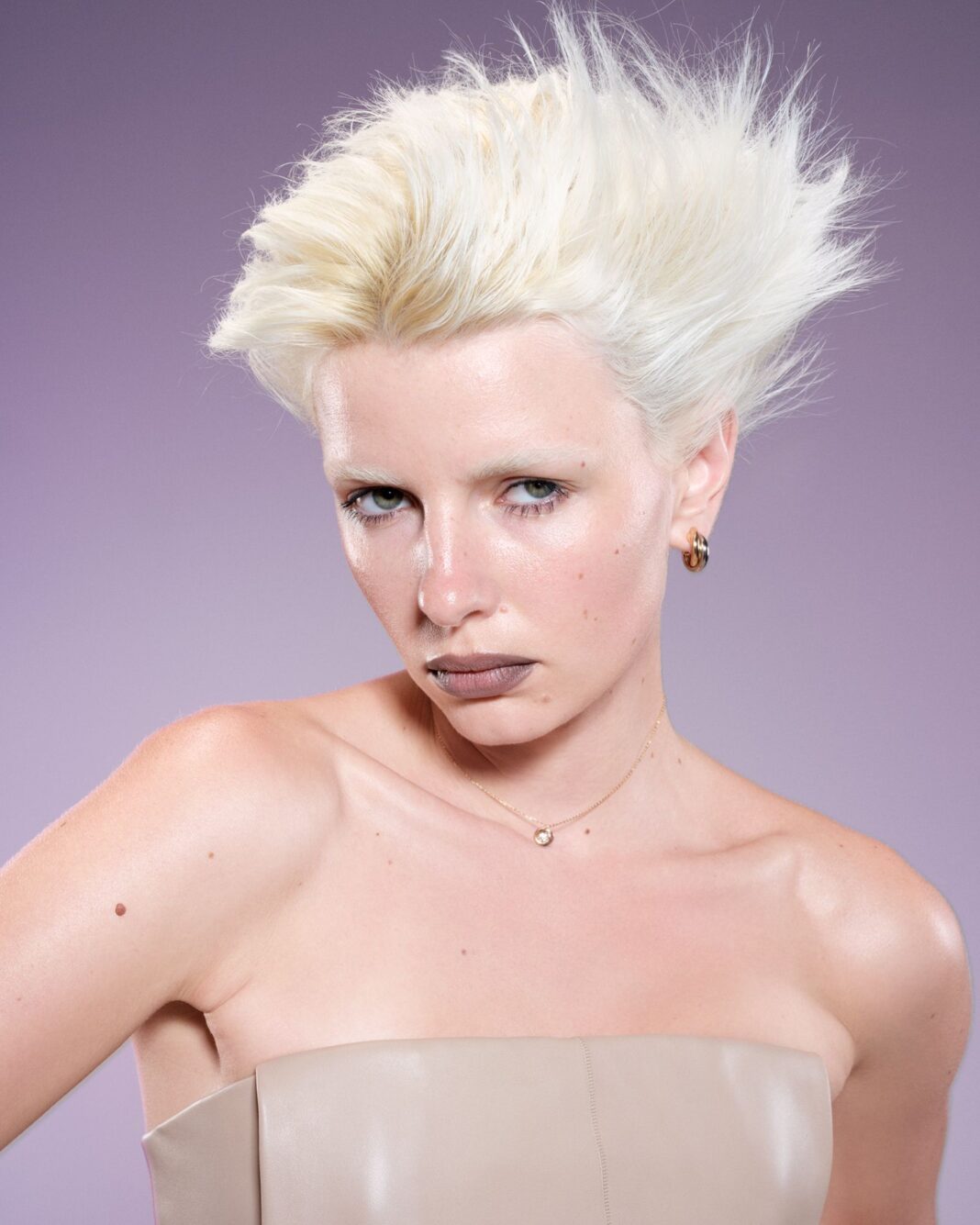
Hair breakage occurs when the hair shaft weakens and snaps under stress, often leading to visible frizz, split ends, and a lack of length retention. Multiple factors contribute to this condition, including heat styling, chemical treatments, and harsh brushing practices. Environmental stressors such as sun exposure and pollution also degrade the hair’s protective outer layer over time.
Addressing breakage requires a multi-step routine that pairs structural repair with moisture retention. Strengthening ingredients like keratin and bond-building complexes work to fill gaps within the hair cuticle. Conditioners and masks that deliver hydration help restore flexibility, preventing strands from becoming brittle and prone to snapping.
Experts recommend incorporating a pre-shampoo treatment to shield hair from the drying effects of cleansing agents. These pre-wash formulas create a barrier that locks in essential oils, reducing friction during the washing process. For best results, apply from mid-length to ends before wetting the hair.
A leave-in conditioner serves as a critical daily defense against mechanical damage. This lightweight layer smoothes the cuticle, minimizing tangles and making detangling significantly easier. Products containing silicones or plant-derived oils can offer thermal protection, reducing the impact of hot tools during styling routines.
Weekly masks provide a deeper repair phase, delivering concentrated nutrients to weakened zones. Look for formulations that include hydrolyzed proteins, which temporarily reinforce the shaft while improving elasticity. Overnight treatments or steam-activated options are designed to penetrate more effectively, offering visible smoothness after a single use.
Targeted hair oils and serums are beneficial for sealing split ends and preventing further fraying. Applied sparingly to dry or damp ends, these products add a subtle shine without weighing hair down. Avoiding heavy greases is advisable, as they can attract debris and clog the scalp, leading to slower growth.
Professionals also suggest auditing daily habits, such as sleeping on a silk or satin pillowcase to reduce friction. Wide-tooth combs and gentle microfiber towels offer additional protection compared to standard cotton alternatives. Adjusting these external factors can amplify the benefits of the selected products.
The most effective regimen rotates between these product categories based on immediate need. Fine hair may require lighter formulations, while coarse or chemically processed hair benefits from richer creams and butters. Seasonal shifts also play a role, as humidity and cold weather can alter how strands respond to different ingredients.
Consistency remains the key to visible improvement, with most specialists noting changes within four to six weeks of regular use. Pairing a dedicated product lineup with minimized heat exposure yields the strongest results. Those who address both internal health and external care will find strands are stronger, smoother, and easier to manage over time.