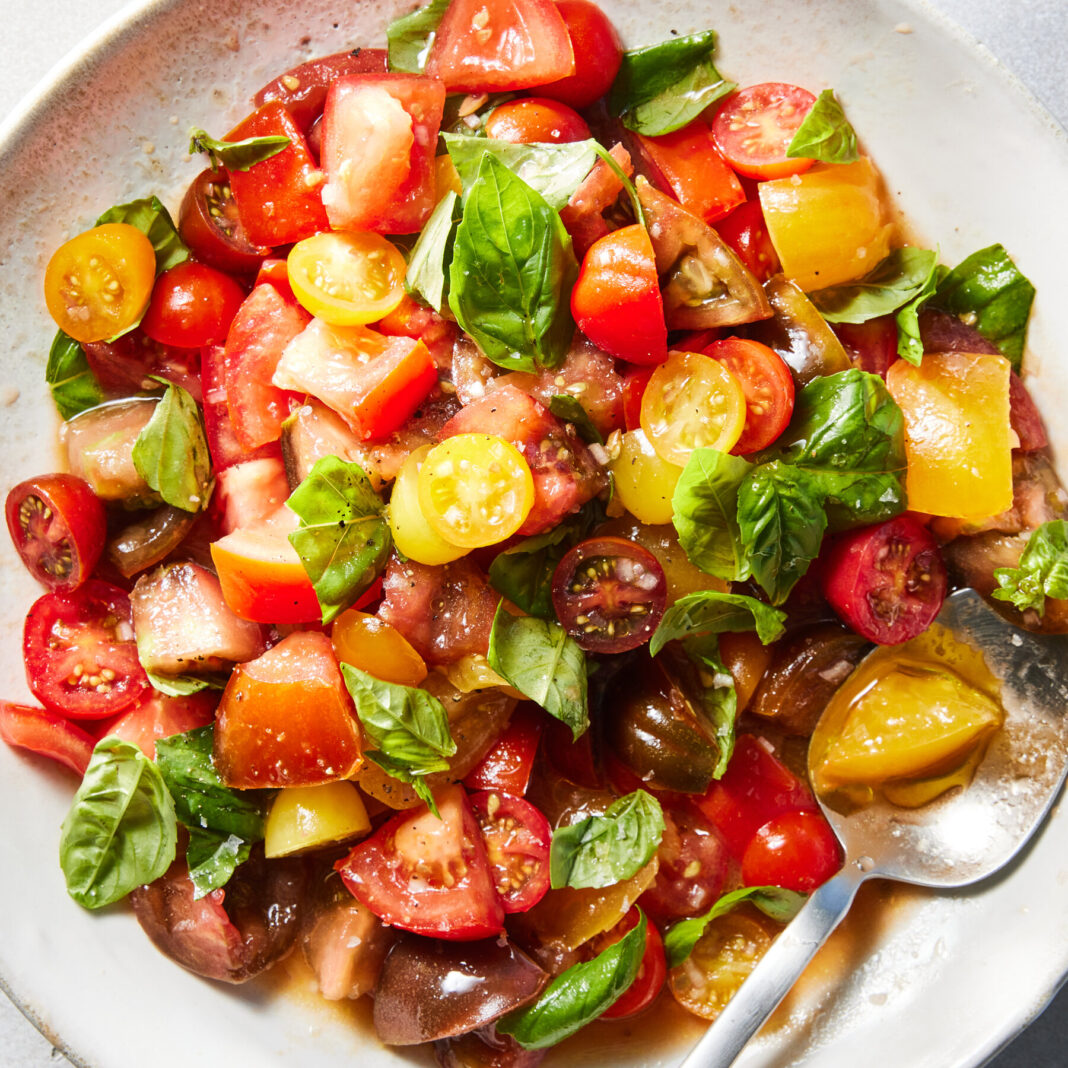
Tomatoes are a versatile ingredient that can transform a dish when cooked properly. Understanding how heat interacts with their natural sugars and acids is key. Seven simple methods can elevate any tomato-based meal.
Roasting tomatoes at high heat concentrates their flavor and caramelizes their sugars. This technique works well with cherry tomatoes or halved Roma varieties. The result is a sweet, jammy addition to pastas or salads.
Sautéing tomatoes in a hot pan with oil releases their juices quickly. This method is ideal for creating a fast sauce or base for eggs and grains. Chopping them evenly ensures consistent cooking.
Grilling adds a smoky depth that raw tomatoes cannot achieve. Halve large tomatoes and place them cut-side down on a hot grill. The char marks enhance both flavor and visual appeal.
Slow-cooking tomatoes over low heat breaks down their cell walls completely. This process yields a rich, thick sauce perfect for soups or stews. Adding herbs like basil or thyme deepens the complexity.
Pan-searing tomato slices creates a crisp exterior while keeping the interior tender. This technique works best with firm, fleshy varieties like beefsteak. A brief cook time prevents mushiness.
Using tomato paste as a base in recipes builds umami and body. Frying the paste in oil before adding liquids intensifies its flavor. This step is crucial for stews, chilis, and braises.
Blanching and peeling tomatoes before cooking removes tough skins for a smoother texture. Score the bottom, boil briefly, then plunge into ice water. This preparation is essential for refined sauces and preserves.
Each method highlights a different quality of tomatoes, from sweetness to acidity. Experimenting with these approaches can improve everyday cooking. The right technique depends on the desired final dish.