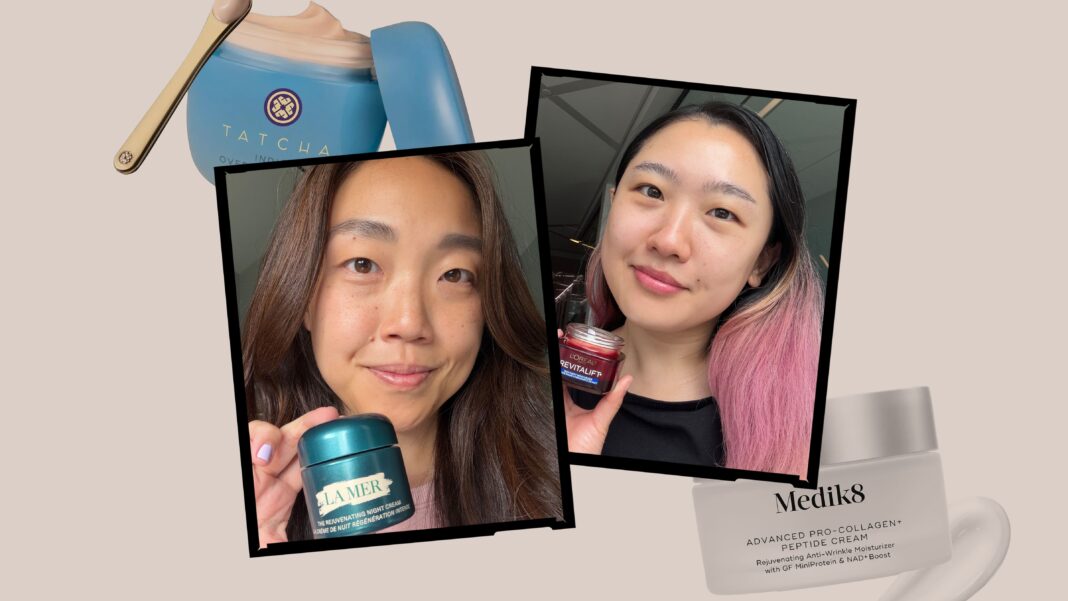
Night creams are designed to support skin repair during sleep, when the body enters a restorative cycle. These formulas are typically thicker than daytime moisturizers. They focus on hydration, barrier support, and overnight renewal.
Ingredients vary by concern, from ceramides and peptides to retinoids and hyaluronic acid. Each targets specific issues like fine lines, dryness, or dullness. Choosing the right one depends on skin type and goals.
Dry skin benefits from creams with shea butter, squalane, or glycerin. These seal in moisture and prevent water loss overnight. They leave skin feeling soft and comfortable by morning.
Oily and acne-prone skin needs lighter, non-comedogenic options. Gel-creams and oil-free formulas reduce the risk of clogged pores. Look for niacinamide or salicylic acid to manage breakouts.
Anti-aging night creams often include retinol or bakuchiol. These speed up cell turnover and boost collagen production over time. Start slowly to avoid irritation, especially with retinoids.
Sensitive skin requires fragrance-free and hypoallergenic formulas. Ingredients like oat extract and panthenol calm redness and itching. Patch testing is always recommended before full application.
Consistency matters more than price. Applying night cream daily after cleansing maximizes results. Most users notice smoother, plumper skin within a few weeks.