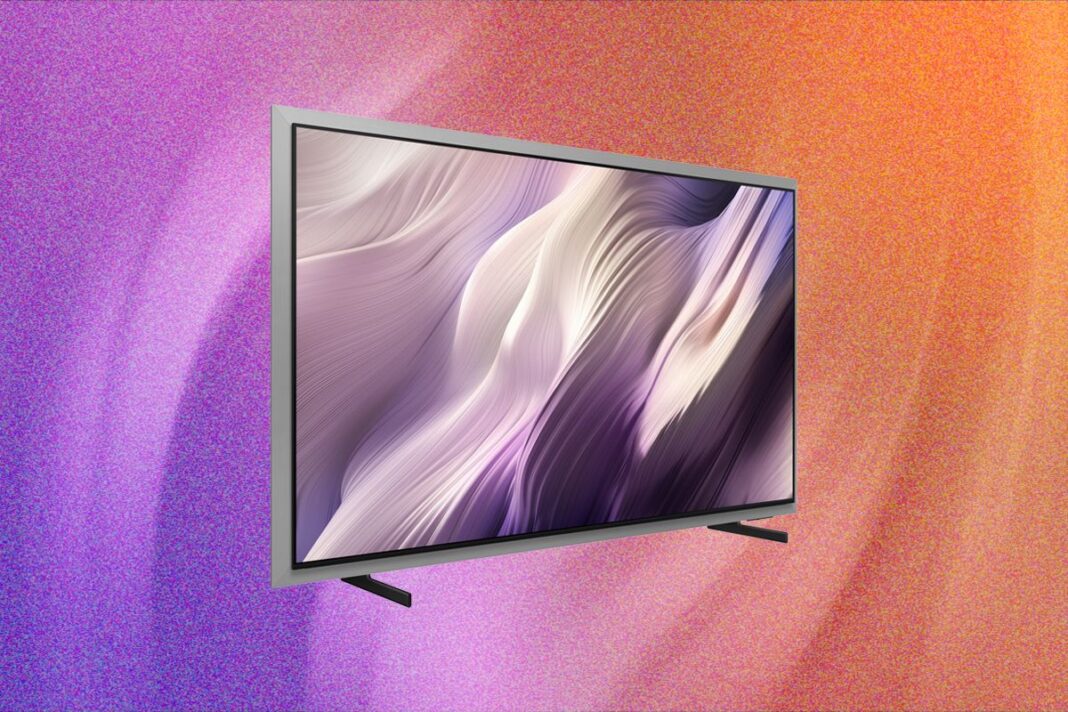
OLED televisions continue to lead the market for picture quality, offering deep blacks and wide viewing angles. Major brands like LG, Samsung, and Sony have refined their 2026 lineups. Buyers seeking a cinematic experience should prioritize OLED technology over traditional LED sets.
LG remains a dominant force in the OLED space with its C-series and G-series models. The G-series delivers higher brightness for well-lit rooms. The C-series balances performance and price for most households.
Samsung’s QD-OLED panels combine quantum dots with organic light-emitting diodes. This design produces brighter colors and reduced burn-in risk. Gamers benefit from high refresh rates and low input lag on Samsung’s flagship sets.
Sony focuses on processing power and motion handling with its Bravia XR lineup. Its cognitive processor enhances contrast and clarity in real time. Filmmakers and sports viewers will notice smoother, more natural movement on Sony displays.
Screen size options now range from 42 inches to 97 inches across brands. Smaller OLEDs suit bedrooms and gaming setups. Larger panels serve home theaters where immersion matters most.
Price gaps between brands have narrowed in 2026. Entry-level OLEDs start around $1,000, while premium 8K models exceed $5,000. Shoppers should compare brightness, ports, and smart features rather than brand alone.
Burn-in remains a minor concern for mixed-use viewing. Modern OLEDs include pixel-shifting and logo detection to reduce risk. Static news tickers and game HUDs pose the highest but manageable danger.
All four brands offer competitive OLEDs with distinct strengths. LG leads in value, Samsung in color volume, and Sony in motion. Buyers should match their choice to room lighting and primary content.