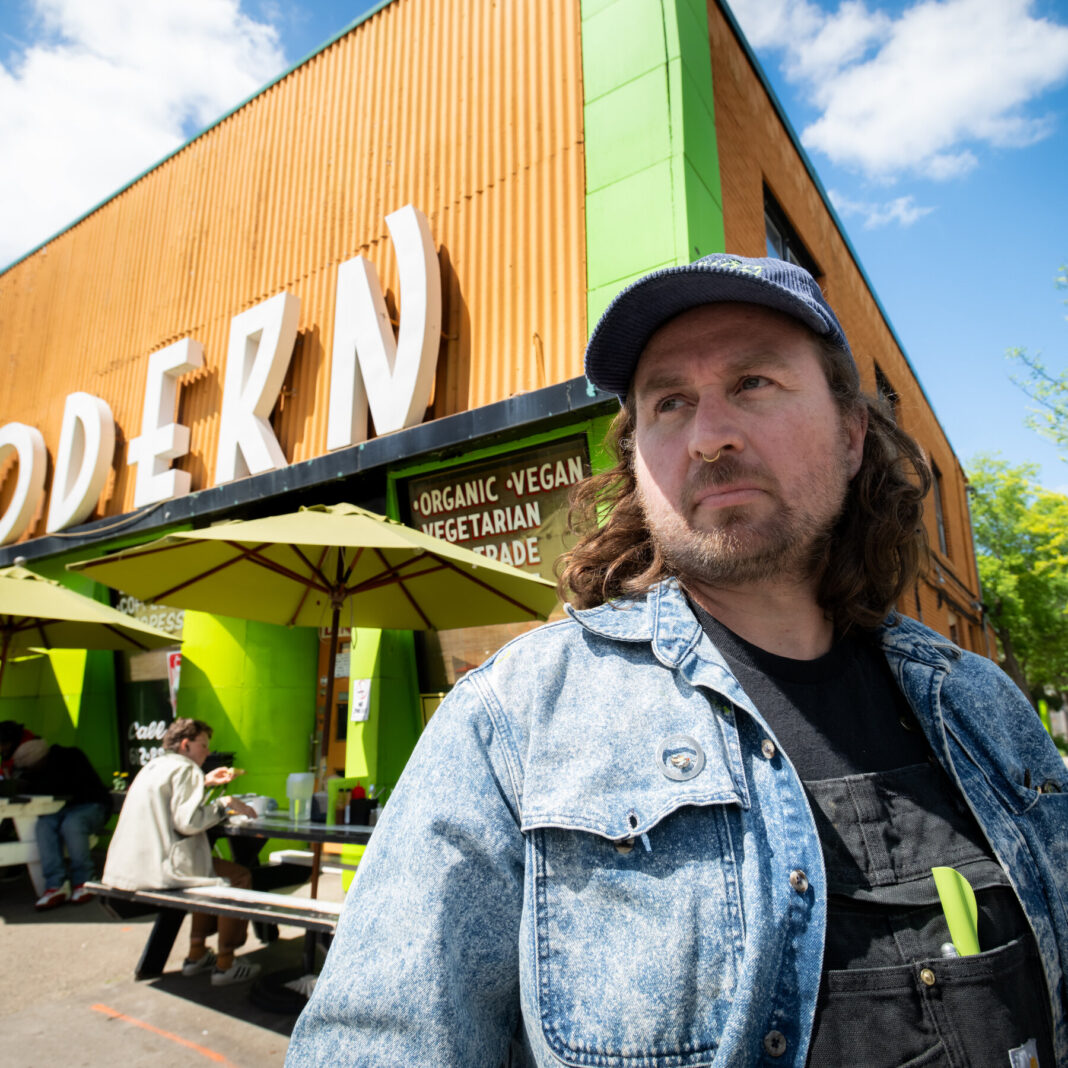
At Post Modern Times cafe in Minneapolis, a unique experiment has shifted the dining model. The restaurant stopped charging for food, and surprisingly, profits have increased.
Owners removed prices from the menu, inviting guests to pay what they can or want. The change stemmed from a protest against industry norms and rising costs. It has since evolved into a broader social experiment.
The cafe operates on a donation-based system, with no set prices for any item. Customers contribute money into a communal jar or pay digitally. This approach challenges traditional hospitality business models.
Initial fears of financial loss did not materialize. Instead, the cafe reports higher revenue than when it charged fixed prices. The open-ended payment structure encourages generosity from patrons.
The move also reduces operational complexity. Staff no longer manage transactions or handle change. This allows them to focus on food quality and customer experience.
Critics question the model’s long-term sustainability for most businesses. Yet Post Modern Times has maintained consistency for months. The cafe’s success suggests alternative payment systems can work in certain contexts.
The experiment critiques the hospitality industry’s reliance on rigid pricing. It invites a rethinking of value and exchange in dining. Other restaurants are watching the results closely.