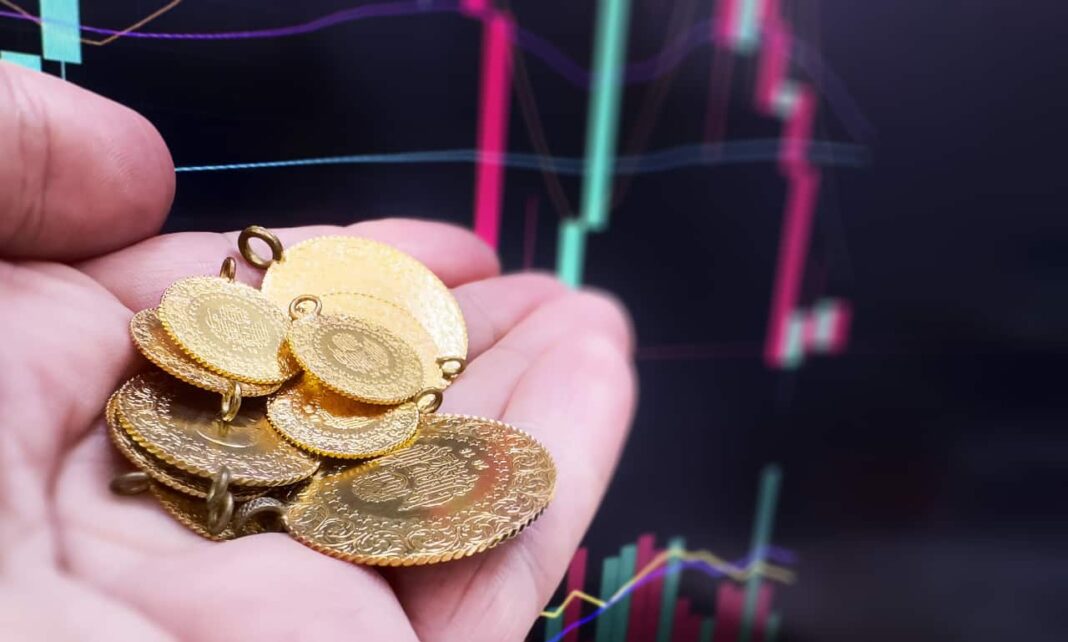
Gold has fallen sharply since the onset of the Iran conflict, challenging a long-held belief among investors. The precious metal, often touted as a safe haven during geopolitical turmoil, has not behaved as expected. This price decline exposes a significant myth about how gold reacts to war and rising global tensions.
Many investors view gold as a reliable hedge against geopolitical risk. The logic suggests that uncertainty drives demand for assets seen as stable stores of value. However, recent market movements tell a different story. Instead of surging, gold prices dropped as military actions escalated.
The disconnect stems from how markets process geopolitical events. Wars and conflicts are often anticipated well before they begin. By the time a military strike occurs, the uncertainty has already been priced into gold. The actual event can trigger a “sell the news” reaction, pushing prices lower.
Other factors also influence gold’s performance during crises. Interest rates, currency strength, and liquidity needs play larger roles than conflict headlines. During the Iran escalation, a stronger U.S. dollar and rising bond yields pulled capital away from gold. Investors sought cash and Treasuries instead, reducing demand for the metal.
This pattern is not new. Historical data shows gold often rallies before a conflict and declines afterward. The 2003 Iraq invasion and the 2014 Russia-Ukraine crisis followed similar trajectories. Gold gained in the months leading up to each event, then fell once fighting began.
The myth persists partly because of confirmation bias. Investors remember the times gold rose during tensions and forget the instances it fell. Emotional narratives about gold as a crisis hedge overshadow the market mechanics that drive its price. Reality is more complex than the simple story often told.
For investors, the lesson is clear. Gold is not a guaranteed war hedge. Its performance depends on a mix of economic conditions, market sentiment, and timing. Relying solely on gold for geopolitical protection can lead to disappointment.
A more nuanced approach considers gold within a diversified portfolio. It can still serve as a long-term inflation hedge or a store of value against currency debasement. But expecting it to spike during every conflict ignores the evidence of how markets actually behave.
The Iran conflict provides a fresh reminder. Gold’s decline exposes a massive myth about geopolitical risk. Investors should question old assumptions and look beyond the headlines to understand what really drives asset prices in times of crisis.