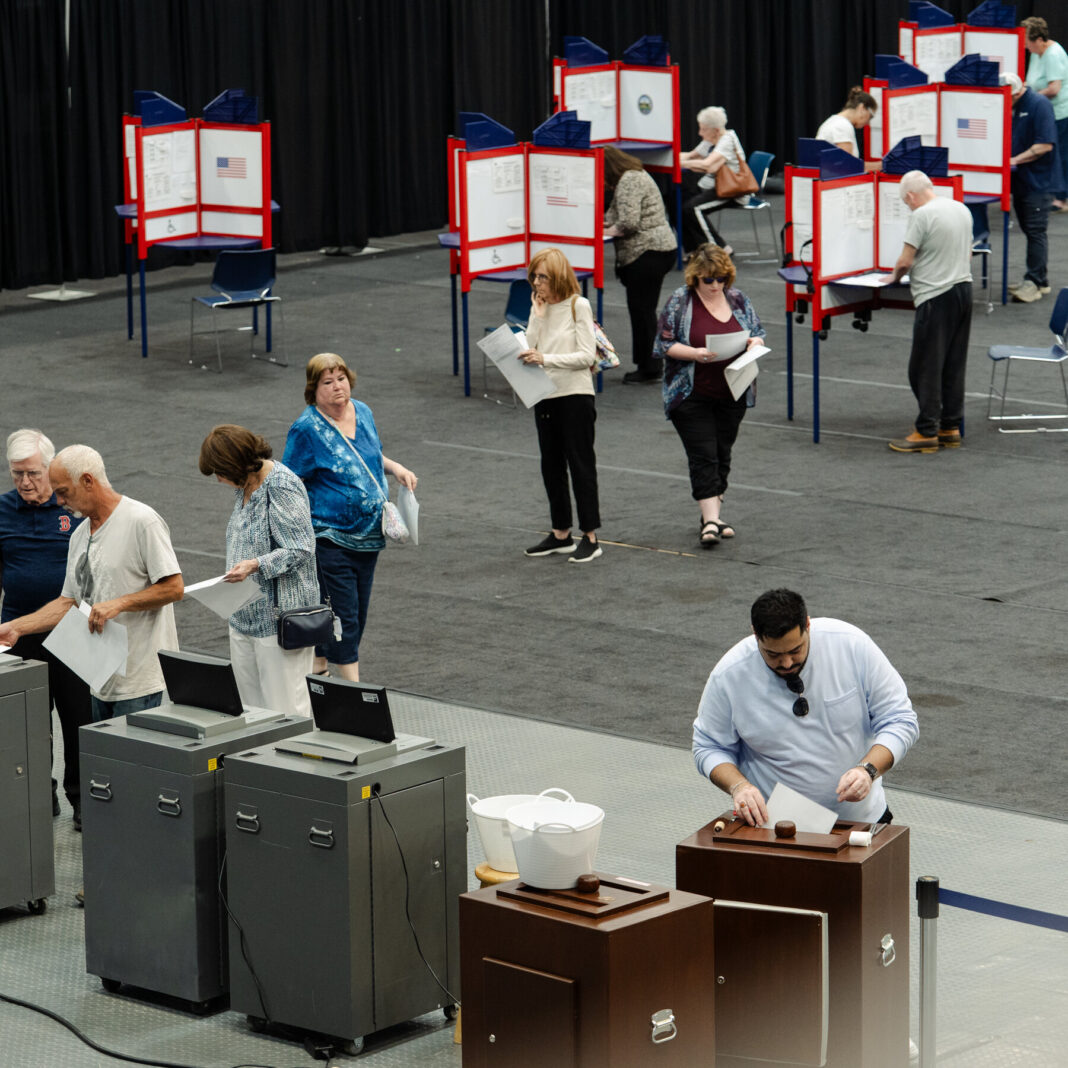
Voters in northern Maine may hold key to congressional control. The state’s vast rural areas form a swing district critical in November. The Second Congressional District covers a large, sparsely populated region. It stands out as one of the most competitive races in the country.
Both national parties are paying close attention to the district. The outcome could determine which party controls the House. Local issues like forestry and farming drive voter concerns. These economic factors often outweigh national political trends.
The current representative faces a strong challenge. The challenger has focused on bread-and-butter issues. Voter turnout in rural towns will likely decide the race. The district has a history of splitting tickets between parties.
Democrats see an opportunity to flip the seat. Republicans aim to hold onto their advantage. Both campaigns are investing heavily in advertising. They are also deploying ground teams across the region.
Independent voters make up a significant portion of the electorate. They are known for making unpredictable choices. Their decisions could tip the balance in a tight race. National political trends may not apply here.
The race remains too close for clear predictions. Early polling shows a statistical deadlock. The outcome could hinge on a few thousand votes. This makes every town and precinct count.
Attention will remain on the district through Election Day. The result will reflect broader national divisions. It will also showcase the power of rural voters. Maine’s Second District remains a key battleground.