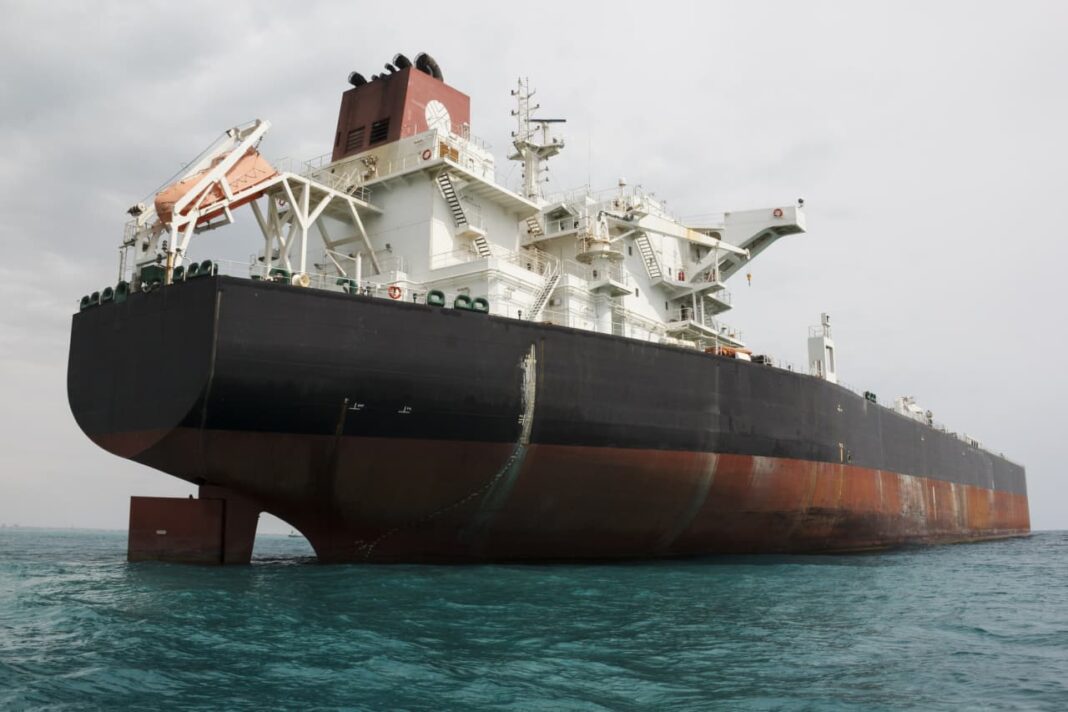
Oil prices may not return to $67 a barrel for several years, analysts say. A recent U.S.-Iran agreement has extended a ceasefire by 60 days and reopened the Strait of Hormuz, but the market faces significant hurdles.
The deal is tentative and does not immediately resolve underlying supply imbalances. Global crude inventories remain bloated, with excess supplies continuing to weigh on prices.
Shipping costs have dropped slightly but stay elevated compared to pre-disruption levels. The reopening of the strait alone cannot restore normal transport conditions overnight.
Market watchers expect a slow recovery as producers gradually adjust output. OPEC and its allies have maintained production cuts, but demand growth remains sluggish.
Geopolitical tensions persist beyond the U.S.-Iran ceasefire. Other regional conflicts and sanctions could disrupt supply chains again, delaying price stabilization.
Storage levels worldwide are still above historical averages. This surplus must be drawn down before prices can sustainably climb back to the $67 mark.
The timeline for a rebound depends on several factors. Economic growth, refining capacity, and compliance with production agreements will all play roles.
For now, investors and consumers should prepare for a prolonged period of lower oil prices. The path to $67 a barrel remains uncertain and likely years away.